Let’s be honest, "data silos" sounds like a boring tech problem. It’s the kind of phrase that makes your eyes glaze over in a meeting. But in the world of workers’ compensation, it’s not just a tech headache—it’s a human one.
Imagine trying to bake a cake, but the person with the flour, the person with the eggs, and the person with the sugar are all in separate, soundproof rooms. They can’t talk to each other. They each have a piece of the recipe, but no one has the whole picture. You’re probably not going to end up with a very good cake, right?
That’s exactly what’s happening in workers’ comp every single day. We have case management in one room, bill review in another, and ancillary care in a third. They’re all collecting vital information, but they aren't sharing it effectively. This creates a fragmented, inefficient process that ultimately hurts the very person we’re all trying to help: the injured worker.
The Hidden Costs of a Disconnected System
When your systems don't talk, you can't see the full story of a claim. As CJ Cypcar, Vice President of Network Solutions & Product Integration at CorVel, puts it, “If you cannot normalize and integrate this data, you miss seeing the total impacts across the claim continuum.”
Think about it from an adjuster's perspective. They’re trying to make the best possible decisions, but they’re working with an incomplete puzzle.
Cypcar gives a great example: “In bill review, you might observe reasonable provider network utilization and wonder how to improve it. What you might not see is that your use of triage is lower, which is crucial for channeling care into those networks and management systems.”
You’re looking at one piece of data and thinking everything’s fine, while the real problem is hiding just out of sight in a different system. It’s a domino effect. Adjusters can’t spot patterns or predict which claims might run into trouble. They miss the chance to be proactive, like scheduling a referral before it becomes an emergency or realizing that for a specific injury, a different treatment path might get someone back on their feet faster.
When each department is stuck in its own little world, following its own processes, it leads to wasted time, duplicated effort, and frustrating delays. And those delays directly impact an injured worker's recovery.
A Game-Changer: When Data Finally Starts a Conversation
So, what happens when we break down those walls and let the data flow freely? It's more than just a tech upgrade; it fundamentally changes how everyone communicates.
This shift toward integrated analytics is creating what Cypcar calls a “three-point integration.” It connects the payers, the providers, and the injured worker, getting everyone on the same page with the same goal: getting that person back to their pre-injury life as quickly and safely as possible.
When payers and providers are truly connected, things just move faster. Adjusters get referral information in a snap. They have better analytics at their fingertips to approve treatments without delay.
“We’re seeing decreased litigation rates and better return to work outcomes,” Cypcar says. “The quicker an injured worker returns to work, the better it is not only for them, but also reduces the overall claim cost.”
And here’s the real kicker: we’re not talking about looking at data that’s months old anymore. The biggest leap forward has been the move to real-time data. Instead of driving with a map printed last year, we now have a live GPS that reroutes us around traffic jams as they happen.
“Advancements in technology, AI, and natural language processing have enabled us to work with these data models in real time,” Cypcar explains. This means we can make smart, strategic interventions based on what’s happening right now, not what happened six months ago. The results are already showing up in a big way, especially with getting costs down by making sure people are using in-network providers and pharmacies.
Let's Talk About AI (But Keep It Real)
You can’t talk about data today without talking about Artificial Intelligence. But let's cut through the hype. AI isn’t here to take over an adjuster’s job. The way to think about it is as a super-smart assistant.
Imagine all the information on a single claim—it might be spread across half a dozen different screens, buried in adjuster notes, or hidden in medical records. It could take an adjuster hours to hunt down one specific piece of information.
AI can do it in seconds.
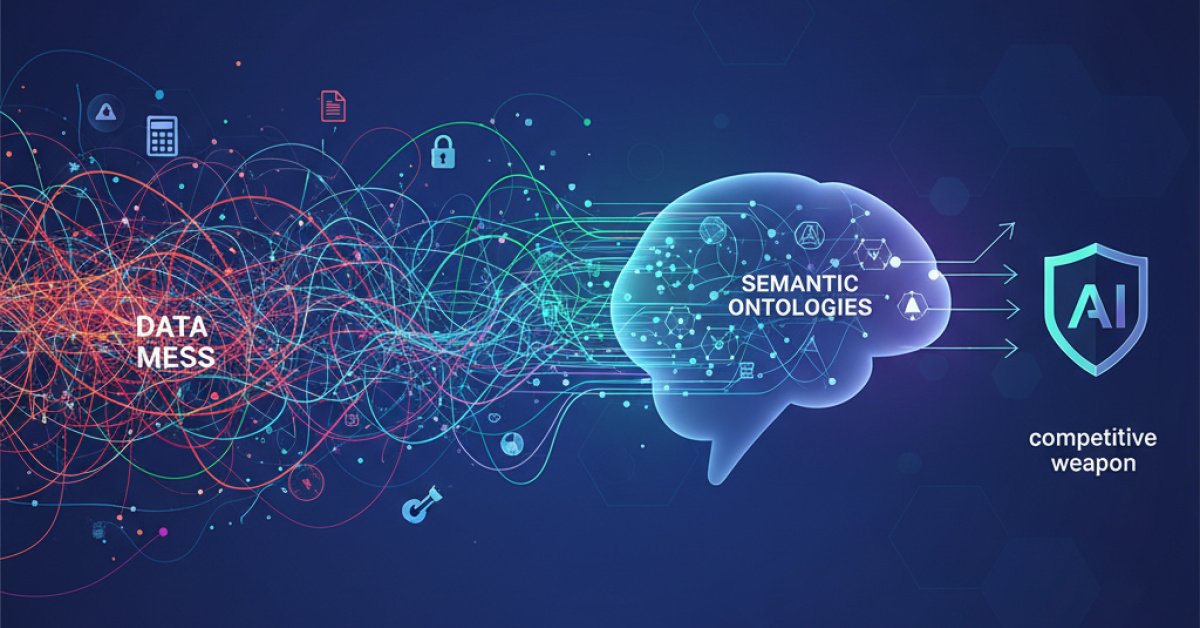
What’s truly powerful is its ability to understand "unstructured data." That’s just a fancy term for all the messy, human stuff, like a doctor’s handwritten notes or a transcribed phone call. “Now with AI technology, we can convert unstructured notes, records, and documents into usable data for our models and insights,” Cypcar notes.
But—and this is a big but—it’s just a tool. A very powerful tool, but one that needs a smart human to guide it.
“AI won’t replace jobs or take over claims decisions; it functions as an assistant or tool,” she insists. “Users must be able to identify anomalies or instances where information doesn’t appear accurate.”
Cypcar even shares a personal tip: “When AI pulls something that doesn’t look quite right, I ask for its source.” That’s the kind of critical thinking we all need to embrace. It’s not just about learning to use the tool; it’s about learning to question it and validate what it tells us.
Tying It All Together for a Better Future
This move toward connected data and smarter tools fits perfectly with another big shift in healthcare: the move toward value-based care. It’s about focusing on prevention, predicting problems before they happen, and treating the whole person, not just a list of symptoms. You simply can’t do that if your data is stuck in silos.
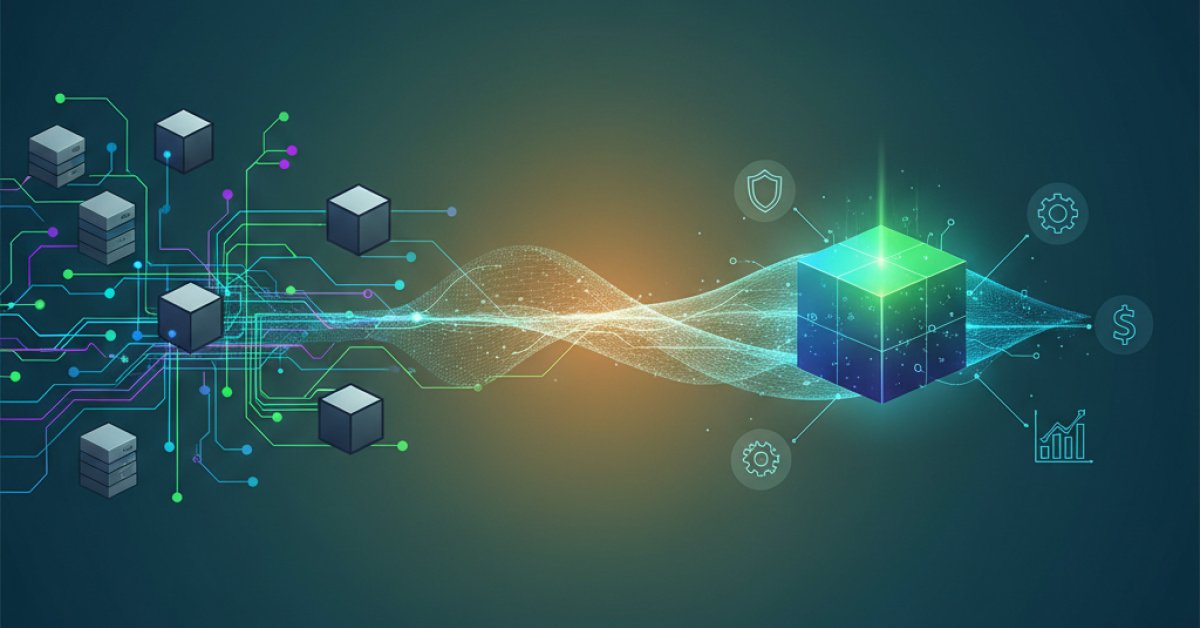
Companies like CorVel are already building these integrated systems. They work to standardize all that messy data from different sources and serve it up in real-time dashboards. This helps organizations spot the gaps in their own processes and make smarter decisions.
At the end of the day, this isn't just about making a company more efficient or saving a few dollars.
“This is all a collaboration amongst multiple parties within one system, and our goal is to help injured workers return to work and achieve the best outcomes,” Cypcar emphasizes.
The technology to break down these walls and build a more connected, responsive, and human-centered workers' comp system is already here. The challenge for all of us now is to put it to work. By doing so, we can stop making people navigate a maze of disconnected departments and start giving them the clear, coordinated path to recovery they deserve.