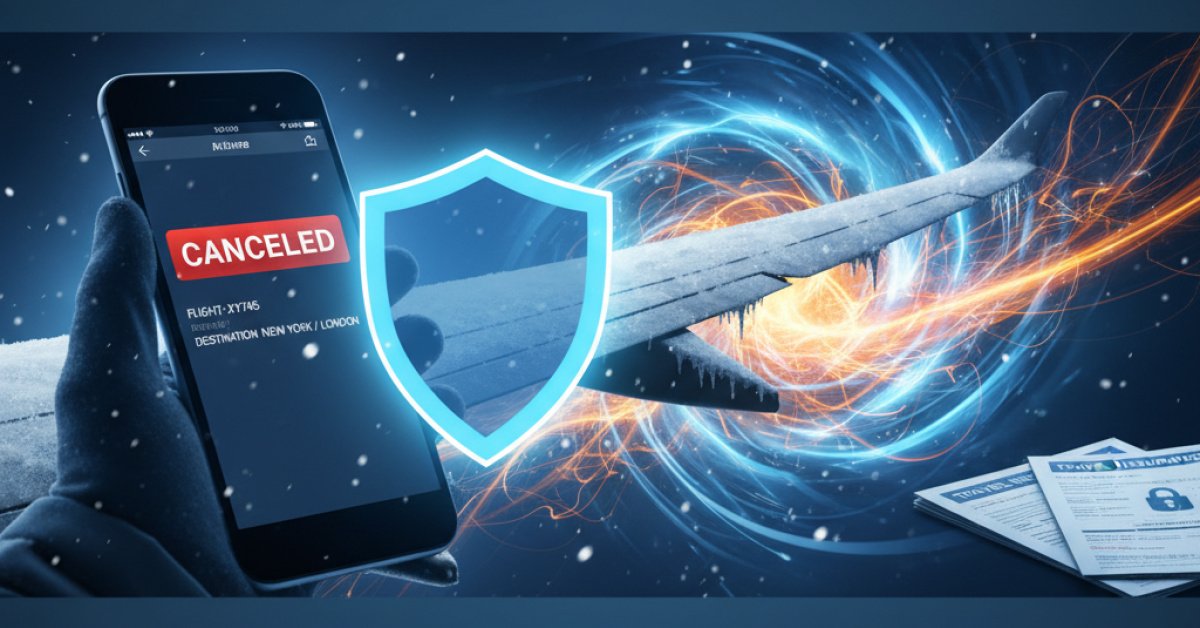
You know the scene. You’ve been looking forward to this trip for months. The bags are packed, the out-of-office message is on, and you’re finally at the airport, ready for that well-deserved holiday break. You find your gate, grab a ridiculously overpriced coffee, and then you see it… that dreaded four-letter word on the departures screen: DELAYED.
Your heart sinks. An hour later, it changes to CANCELED. Suddenly, your festive cheer is replaced by a wave of panic. What about the non-refundable hotel? The tour you pre-paid for? The connecting flight you’re now going to miss?
This isn't just a hypothetical nightmare. Every holiday season, millions of people find themselves in this exact spot. It’s a chaotic cocktail of packed airports, overbooked flights, and unpredictable winter weather. And honestly, it’s a big reason why I never, ever travel during the holidays without travel insurance.
Why Are the Holidays Such a Travel Minefield?
Let's be real for a second. Holiday travel is a beautiful, chaotic mess. It’s when everyone decides to go see Grandma or escape to a beach at the exact same time. Airports are bursting at the seams, and airlines are running their operations at maximum capacity.
Now, throw in a little bit of Mother Nature’s classic winter mischief—a sudden blizzard in Chicago, an ice storm in Dallas, or freezing fog in Denver. What happens? The entire system grinds to a halt.
One canceled flight at a major hub can create a domino effect, causing delays and cancellations across the country for days. And because every flight is already full, getting rebooked is a massive headache. You could be stuck for a day, or even longer. That’s where the dream vacation can quickly turn into a very expensive, very stressful ordeal.
So, How Does Travel Insurance Actually Help?
Okay, so we know things can go wrong. But what does travel insurance do about it? A lot of people think of it as just medical coverage for trips abroad, but that's only one piece of the puzzle. When it comes to holiday travel chaos, two key benefits are absolute lifesavers: Trip Delay and Trip Interruption/Cancellation.
Let me break it down in simple terms.
Trip Delay: Your Financial Safety Net for Annoying Holdups
Think of Trip Delay coverage as your "stuck at the airport" fund.
Imagine your flight is delayed overnight due to a snowstorm. You’re not going anywhere. You need a hotel room, a few meals, and maybe some toiletries since your suitcase is stuck on the plane. Without insurance, those costs come straight out of your pocket.
With a good travel insurance policy, your Trip Delay benefits kick in after a certain number of hours (usually 6 to 12). You can then get reimbursed for "reasonable" expenses you rack up while you wait.
This could include:
- A nearby hotel room for the night
- Meals and snacks
- Transportation (like a taxi to the hotel)
- A phone call or two to rebook things
It doesn't erase the frustration of being delayed, but it sure does take the financial sting out of it. You just have to keep your receipts!
Trip Cancellation & Interruption: Protecting Your Big Investment
This is the big one. This is what protects the money you’ve already spent on your trip. The two sound similar, but they cover you at different times.
Trip Cancellation is for when something happens before you leave that prevents you from going on your trip at all. Let's say a massive blizzard is forecast to hit your destination the day you're supposed to arrive, and the airline cancels all flights for 48 hours. If you have to scrap the whole trip, this coverage can help you get your money back for pre-paid, non-refundable costs. We're talking flights, hotels, cruises, tour bookings—all of it.
Trip Interruption is for when something goes wrong after your trip has already started. Maybe you make it to your destination, but you get a call that a family member back home has had a medical emergency and you need to fly back immediately. Trip Interruption can help cover the cost of that last-minute flight home and reimburse you for the unused portion of your trip you’re leaving behind.
During the holidays, when severe weather can shut down an airport for days, these coverages are absolutely critical. They turn a potential financial disaster into a manageable inconvenience.
Don't Forget About Your Bags!
Another fun side effect of holiday travel chaos? Lost or delayed luggage.
When flights are getting canceled and re-routed, your bags can end up on a wild adventure of their own. Baggage Delay coverage works a lot like Trip Delay. If your bags don't show up on the carousel for a certain period, you can get reimbursed for essential items you need to buy, like a change of clothes, a toothbrush, and a phone charger.
And in the worst-case scenario where your bag is lost for good? The policy can reimburse you for the value of its contents, up to the limit stated in your plan. Trust me, trying to replace an entire suitcase full of clothes and gifts during the holidays is not something you want to pay for out-of-pocket.
The Best Time to Buy is… Right Now
Here’s a pro tip I share with everyone: buy your travel insurance policy right after you make your first trip payment (like booking your flights or putting a deposit on a resort).
Why? Because many of the best benefits, especially those related to pre-existing medical conditions or "Cancel for Any Reason" upgrades, are only available if you purchase your policy within a short window—usually 10 to 21 days—of your initial trip deposit.
More importantly, you can't buy insurance to cover a storm that's already been named. It’s like trying to buy fire insurance when your house is already on fire. Once a winter storm gets a name and becomes a known event, it's too late to get coverage for it. So, book your trip, then book your insurance. Don't wait.
Ultimately, travel insurance isn’t about being pessimistic. It’s about being smart. It’s a small investment to protect the much larger investment you’ve made in your vacation. It buys you peace of mind, so you can focus on what really matters—enjoying your time with loved ones—knowing that if things go sideways, you’ve got a backup plan.