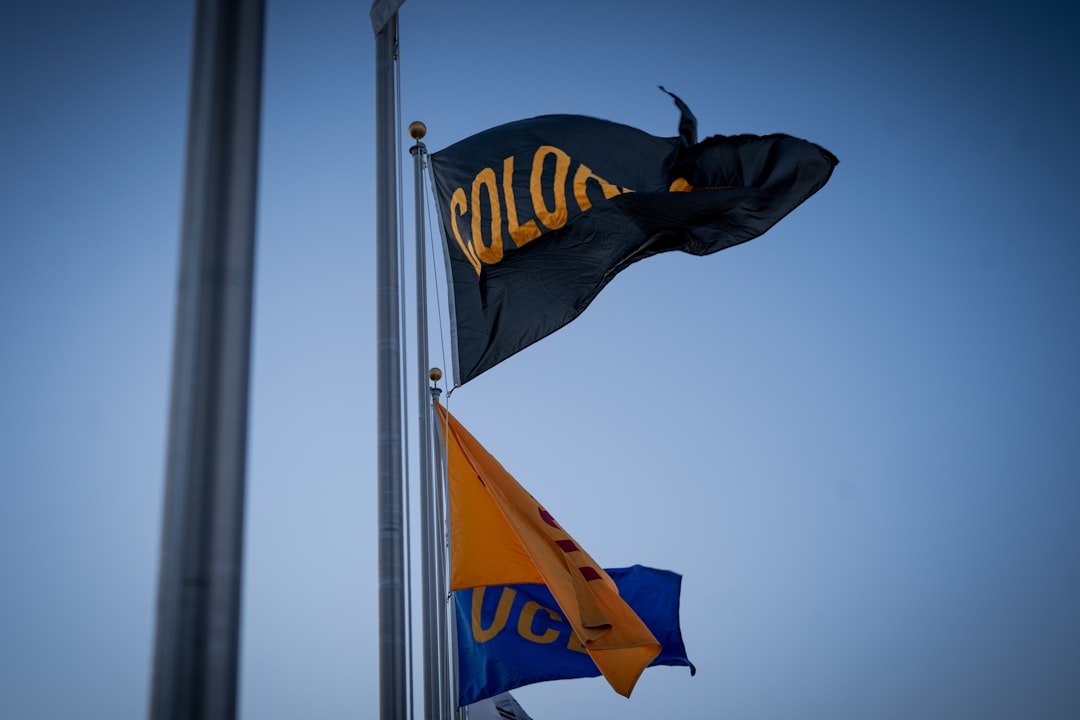
You probably saw the headlines. The Department of Justice is suing the University of California over what it calls a hostile, antisemitic environment on the UCLA campus. It’s a huge, messy, and deeply serious story. And when most people read that, they focus on the politics, the campus culture, and the civil rights implications—all incredibly important things.
But as an insurance person, my brain immediately goes somewhere else. Behind the giant headline, I see a five-alarm fire raging in the university’s risk management department. I see a situation that is a textbook example of why certain, often misunderstood, insurance policies are absolutely non-negotiable for any large organization today.
Because when the federal government comes knocking with a lawsuit like this, it’s not just a PR nightmare. It’s a potential financial catastrophe. And the policies designed to handle this kind of thing are about to be put to the ultimate test. Let’s talk about what’s really going on behind the scenes.
It’s Not Just Bad Press, It’s Existential Risk
First things first, let's get one thing straight. A lawsuit from the DOJ isn't like a typical slip-and-fall claim. This is a heavyweight battle. The costs to even defend against a suit like this can run into the millions, or even tens of millions, of dollars before a single judgment is ever handed down.
For an institution like a university, or any large corporation or non-profit for that matter, this kind of financial pressure can be crippling. It can derail strategic plans, freeze budgets, and pull focus from, you know, the actual mission of the organization.
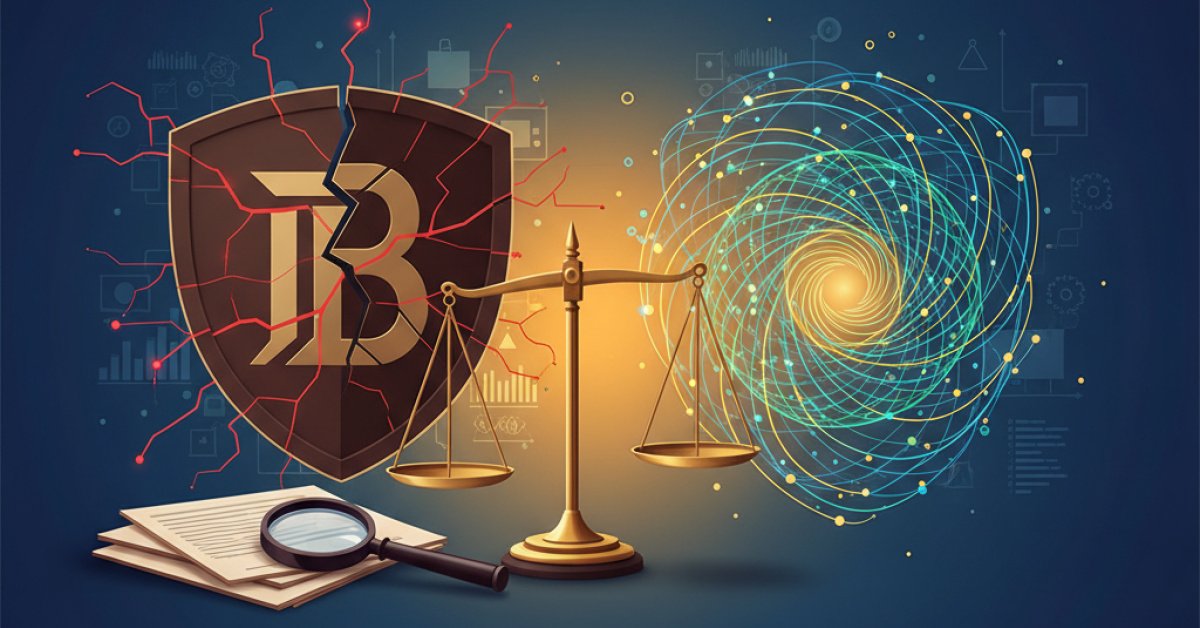
This is exactly the kind of "black swan" event that keeps board members and executives up at night. And it’s the reason why we have highly specialized insurance policies designed to shield them from the fallout. Two of the most important players in this drama are Directors & Officers (D&O) and Employment Practices Liability (EPLI) insurance.
The Unsung Heroes: A Look at D&O and EPLI Coverage
Think of D&O and EPLI as the special forces of the insurance world. Your standard General Liability policy is great for everyday battles—someone gets hurt on your property, that kind of thing. But when you’re facing allegations about management decisions and a failure to protect people from discrimination, you need a specialized team.
Directors & Officers (D&O): The Leadership Shield
So, what is D&O insurance, really?
Imagine you’re a regent or a chancellor at the university. The DOJ lawsuit isn’t just suing the abstract entity of "the university"; it’s often targeting the decisions (or lack of decisions) made by its leaders. A D&O policy is designed to protect the personal assets of those individual directors and officers.
If a lawsuit alleges that the leadership team failed in its duty to provide a safe and non-discriminatory environment for students, that’s a direct shot at their management. Without D&O insurance, the personal homes, savings, and investments of these individuals could be on the line. It’s a shield that allows leaders to make tough decisions without the constant fear of personal financial ruin. In a situation like the one at UCLA, the D&O policy is likely the first line of financial defense for the university's top brass.
Employment Practices Liability (EPLI): It's Not Just for Employees
This is the one that really comes into play here. Most people hear "Employment Practices" and think it’s just for protecting a company if an employee sues for wrongful termination or harassment. And it is! But it’s often much broader than that.
Many EPLI policies include what’s called "third-party" coverage. This extends protection to claims made by non-employees—like customers, vendors, or, in this case, students—who allege discrimination or harassment.
The very heart of the DOJ’s lawsuit is the claim that the university allowed a hostile environment to fester. That’s a classic EPLI trigger. The policy is built to respond to allegations of:
- Discrimination
- Harassment
- Failure to create a safe environment
So, while the D&O policy protects the decision-makers, the EPLI policy is designed to handle the financial fallout from the actual discrimination claim itself. The two often work hand-in-hand in a crisis like this.
Why Won’t a General Liability Policy Cover This?
This is a question I get all the time. "We have a multi-million dollar liability policy, aren't we covered?" The answer is, probably not.
Most standard General Liability (GL) policies have very specific exclusions. Two of the big ones are:
- Intentional Acts: GL is designed for accidents. Discrimination is generally not seen as an "accident" by an insurance carrier.
- Discrimination/Harassment Exclusions: Many policies now explicitly exclude claims arising from discrimination, harassment, or civil rights violations, precisely because they are meant to be covered by a dedicated EPLI policy.
Relying on your GL policy to cover a discrimination lawsuit is like showing up to a wildfire with a garden hose. It’s the wrong tool for the job, and you’re going to get burned.
The Real Cost is in the Fight
Here’s the thing that many people miss. The biggest immediate value of these D&O and EPLI policies isn't necessarily paying the final settlement or judgment. It's paying for the defense.
The legal bills start piling up from day one. You have teams of high-priced lawyers, depositions, discovery, expert witnesses... it's a machine that burns through cash. One of the most critical features of these policies is the "duty to defend," where the insurance company steps in and pays for the legal defense from the get-go.
This single benefit can be the difference between an organization surviving a lawsuit or going bankrupt just from the legal fees, regardless of whether they ultimately win or lose the case.
This whole situation at UCLA is a sobering, real-world lesson. It underscores that risk isn't just about market downturns or operational hiccups. It’s about people, culture, and the decisions leaders make every single day. While insurance can't fix a broken culture, it can provide the financial stability to survive the crisis, learn from it, and build a better path forward. It’s the financial backstop that allows an organization to live to fight another day.