You know, it’s easy to look at headlines about massive corporations getting sued and think, "Well, that's a 'them' problem, not a 'me' problem." We see a big name like U.S. Steel in the news and figure they have armies of lawyers and HR departments to handle these things.
But every now and then, a case comes along that serves as a powerful, and frankly, pretty scary reminder for businesses of all sizes. The recent lawsuit filed by the U.S. Equal Employment Opportunity Commission (EEOC) against U.S. Steel is one of those moments.
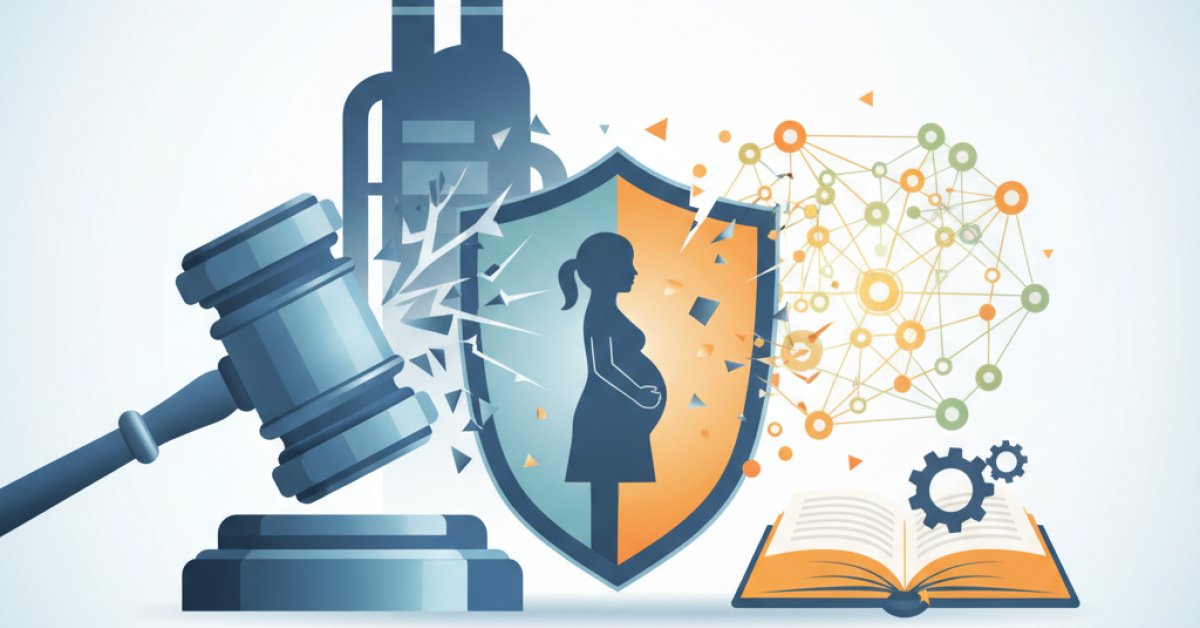
This isn't just a story about a multinational company. It’s a story about a single employee, a pregnancy, and a decision that spiraled into a federal lawsuit. And trust me, the lessons here are universal, whether you have 15 employees or 15,000.
So, What's the Story Behind the Lawsuit?
Let's break down what the EEOC is alleging, because the details really matter.
The case centers on an employee at one of U.S. Steel’s iron mining facilities up in Minnesota. She was working as a Utility Technician, a physically demanding job. When she became pregnant, her doctor, as you’d expect, gave her some temporary work restrictions to ensure a healthy pregnancy. We’re talking about common-sense stuff—limits on how much she could lift, push, or pull.
According to the lawsuit, she went to her employer with these restrictions and asked for a reasonable accommodation. This could have meant a temporary light-duty assignment or some other adjustment to her role. It’s a pretty standard request, and one that federal law is designed to protect.
Here’s where things allegedly went wrong. Instead of working with her to find a solution, U.S. Steel is accused of flat-out denying her request for an accommodation. Even worse, the company allegedly forced her to take unpaid leave for seven whole months.
Think about that for a second. An employee who is willing and able to work is suddenly without a paycheck for the better part of a year, all because she needed a temporary adjustment for her pregnancy. The EEOC looked at this situation and said, "That's not just unfair; it's illegal."
Why This Is a Big Deal Under Federal Law
It’s easy to get lost in the legal jargon, so let’s make this simple. Two key federal laws are at play here:
- The Pregnancy Discrimination Act (PDA): This law is crystal clear. It forbids discrimination based on pregnancy, childbirth, or related medical conditions. It essentially says you have to treat a pregnant employee the same way you’d treat any other employee with a temporary disability.
- The Americans with Disabilities Act (ADA): While pregnancy itself isn't a disability, complications or doctor-ordered restrictions related to it can be. The ADA requires employers to provide "reasonable accommodations" for employees with disabilities, as long as it doesn't cause an "undue hardship" for the business.
A "reasonable accommodation" isn't some scary, business-breaking concept. It just means finding a practical way for the employee to keep doing their job. It could be something as simple as providing a chair, allowing more frequent breaks, or, as in this case, a temporary assignment to a less physically demanding role.
The EEOC’s position is that U.S. Steel had light-duty work available and gave it to other employees who were injured on the job. By allegedly denying that same option to a pregnant employee, they crossed a legal line.
The Crushing Cost of Getting It Wrong
When a company gets hit with a lawsuit like this, the damage isn't just a slap on the wrist. The EEOC is coming in swinging. They’re seeking:
- Back Pay: The wages the employee lost during those seven months of forced unpaid leave.
- Compensatory Damages: Money to compensate for the emotional distress and hardship caused.
- Punitive Damages: This is the big one. These are damages designed to punish the company for its behavior and deter others from doing the same.
On top of all that, you have the legal fees, which can be astronomical, and the damage to your company's reputation. It’s a brutal, expensive, and public mess. For a company the size of U.S. Steel, it's a major headache. For a small or medium-sized business, a lawsuit like this can be a knockout punch.
Your General Liability Policy Won't Help You Here
This is the part where so many business owners get a nasty surprise. They think their General Liability insurance policy is a catch-all that protects them from any lawsuit. It’s not.
General Liability covers things like bodily injury to a customer who slips and falls in your store, or property damage you might cause. It absolutely does not cover claims related to employment practices like discrimination, harassment, or wrongful termination. For that, you need a completely different kind of protection.
Your Real Shield: Employment Practices Liability Insurance (EPLI)
This is where we, as insurance pros, need to make sure our clients are protected. The right tool for this job is Employment Practices Liability Insurance, or EPLI for short.
Think of EPLI as your financial backstop for the human side of your business. It’s specifically designed to cover the exact kind of situation U.S. Steel is facing right now.
If you have an EPLI policy and you’re hit with a discrimination claim, the policy can help cover:
- Legal Defense Costs: Hiring attorneys who specialize in employment law is incredibly expensive. Your EPLI policy can pay for your legal team from the moment a claim is filed.
- Settlements and Judgments: Whether you decide to settle out of court or are ordered by a judge to pay, the policy can cover those costs, up to your policy limits.
Without EPLI, you're paying for all of this out of your own pocket. Every dollar spent on lawyers is a dollar not spent on growing your business, paying your staff, or investing in new equipment.
The U.S. Steel case is a perfect, real-world example of why this coverage is so vital. It shows that even a simple request for a temporary accommodation can explode into a federal case with massive financial consequences.
This isn’t about being a bad person or intentionally discriminating. Sometimes, it’s a manager who doesn't understand the law or a policy that hasn't been updated. Good intentions don't stop lawsuits.
So, take a moment to look at this headline not as a distant corporate problem, but as a free lesson. A review of your employee handbook, your accommodation policies, and, most importantly, your insurance coverage is one of the smartest things you can do. A conversation with your broker about EPLI isn't just a good idea; in today's world, it's an absolute necessity.