Remember those summers when the biggest worry was whether the ice cream truck would show up? Now, it feels like we’re constantly checking the "feels like" temperature, getting heat dome alerts on our phones, and debating if it's even safe to walk the dog.
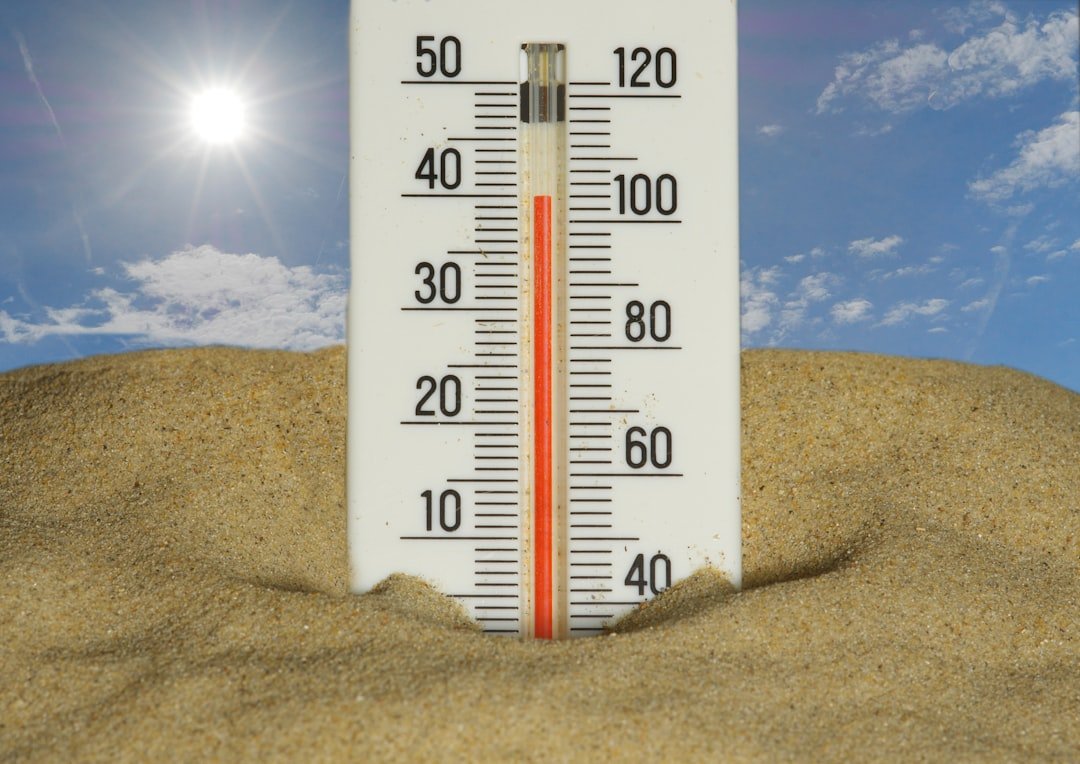
It’s not just in our heads. Scientists have confirmed what we’re all feeling in our bones: the number of dangerously hot days has skyrocketed. And while we’re all focused on cranking the A/C, there’s a quiet, secondary heatwave hitting us right in the wallet.
I’m talking about your insurance.
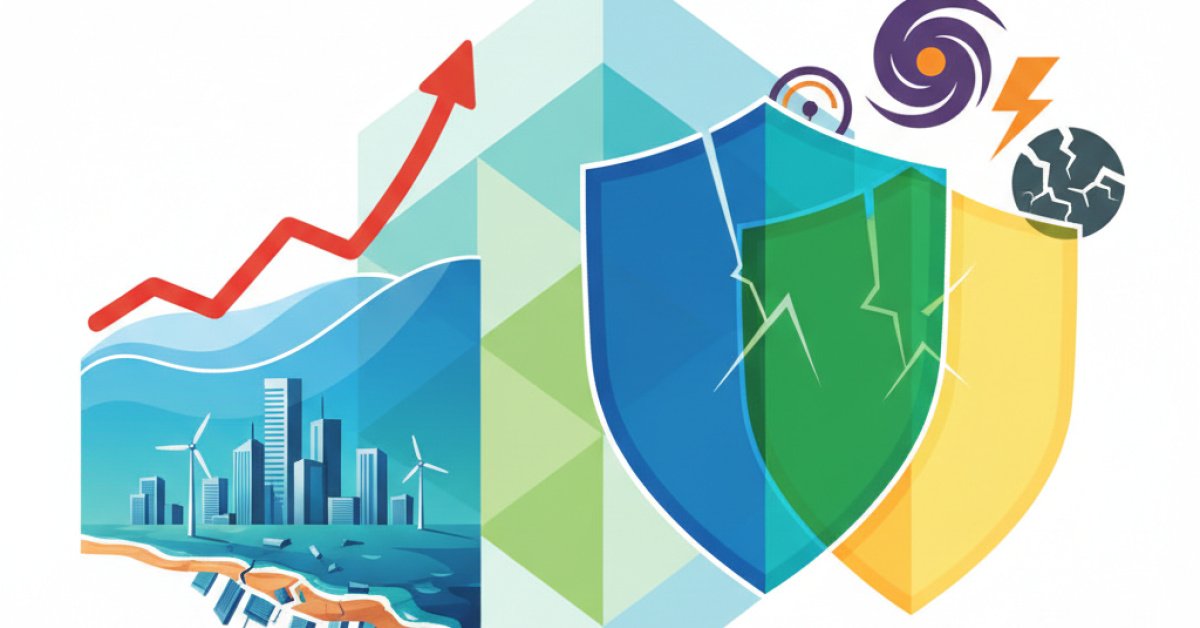
It's one of those things we don't connect to the weather forecast, but trust me, the insurance world is paying very close attention. The rising mercury is creating a cascade of risks that are making everything from your home to your health more expensive to protect.
It's Not Just Your Electric Bill That's Going Up
Let’s be honest, most of us think of insurance as a fixed bill we pay for "just in case" moments, like a fender bender or a burst pipe. We don't really think about global temperature trends affecting our personal premium. But they do. Big time.
Insurers are in the business of calculating risk. When a risk factor—like the probability of a catastrophic heat-related event—goes up, so do the costs to cover it. And right now, heat is a massive, growing risk factor that touches almost every type of policy you have.
Think of it like this: if you suddenly started street racing every weekend, your auto insurer would hike your rates, right? Well, from an insurer's perspective, our entire planet is starting to live a little more dangerously, and that's getting priced into our policies.
Your Home is Feeling the Heat (Literally)
Your homeowner's policy is probably where you'll feel the most direct impact. The connection between extreme heat and property damage is becoming clearer and more costly every year.
The Obvious Threat: Wildfires
This is the big one, the headline-grabber. Extreme heat acts like a giant hair dryer on the landscape. It sucks the moisture out of trees, grass, and soil, turning entire regions into tinderboxes. All it takes is one spark—from a lightning strike, a downed power line, or a careless campfire—and you have a disaster.
We've all seen the devastating images from California, Colorado, and even places we never used to associate with wildfires. For insurers, this is a five-alarm fire for their balance sheets. They are paying out billions for these claims.
The result? In high-risk areas, premiums have gone through the roof, and some companies have simply stopped writing new policies altogether. It's creating a real crisis where people can't get the coverage they need to protect their biggest asset.
The Sneaky Damage You Don't See Coming
But it's not just about the dramatic flames. Intense, prolonged heat wages a quiet war on your house itself.
- Roofs: Your shingles bake in the sun. The tar strips that seal them can melt, and the shingles themselves can become brittle and crack. This shortens the life of your roof and makes it more vulnerable to leaks during the next storm.
- Siding: Vinyl siding can warp, buckle, or even melt under intense, direct sunlight.
- Foundations: This one is really surprising to a lot of people. Extreme heat dries out the soil around your home, causing it to shrink. When the soil pulls away from your foundation, it can lead to settling and cracking. That’s an incredibly expensive fix.
- HVAC Systems: Your air conditioner is working overtime, day in and day out. That constant strain leads to more frequent breakdowns and failures, which can sometimes lead to claims for related damage.
None of these are as dramatic as a wildfire, but they add up to a mountain of "death by a thousand cuts" claims that insurers are now factoring into their rates.
What About Our Health?
The connection between heat and health is obvious, but the insurance side of it is something we rarely discuss. Every time a heatwave rolls through, hospitals see a spike in visits for heat exhaustion and the more dangerous heat stroke.
These are serious medical emergencies that can require hospitalization, driving up health insurance claims.
But it’s also about what the heat worsens. If you have a pre-existing condition like asthma, COPD, or heart disease, extreme heat and the poor air quality that often comes with it can trigger a major health crisis. Again, this leads to more doctor visits, more prescriptions, and more hospital stays.
And like all insurance, these costs aren't isolated. When an insurer's overall claims costs go up, they spread that increase across all their policyholders. So, a brutal summer in Texas can contribute to a premium increase for someone in Vermont.
Your Car and Your Job Aren't Safe Either
The ripple effects don't stop at your front door.
Think about the millions of people who work outside: construction crews, road workers, landscapers, and farmworkers. Their risk of heat-related illness is incredibly high. This is a huge concern for workers' compensation insurance. More claims mean higher premiums for businesses, a cost that often gets passed on to consumers.
Even your car feels the strain. Hot asphalt increases the pressure in your tires, raising the risk of a blowout. Batteries die faster in extreme heat. Engines are more likely to overheat. These might seem like small things, but on a massive scale, they lead to more auto insurance claims.
So, What's the Bottom Line for Your Insurance Bill?
Okay, let's pull this all together. Why should you, personally, care about all this?
Because it all leads to a few key outcomes that affect your wallet:
- Higher Premiums: This is the most direct effect. As claims increase, the money to pay for them has to come from somewhere. That means higher premiums for everyone.
- Tougher Underwriting: Insurers are getting much pickier. They're using sophisticated climate modeling to assess the risk to your specific property. They might look at your home’s proximity to wildfire zones or its flood risk with a much more critical eye.
- Non-Renewals and Market Exits: In the hardest-hit areas, you’ll see more of this. If an insurer decides a region is just too risky to be profitable, they’ll simply stop offering coverage there. This leaves homeowners scrambling to find protection.
It’s a challenging new reality. The stable, predictable world that our insurance models were built on is becoming a lot less stable and predictable.
How to Prepare (Because We Have To)
Look, this isn't meant to be a doom-and-gloom story. It’s a reality check. Ignoring this won't make it go away. The good news is that being aware is the first step to being prepared.
So, what can you do?
- Dust Off Your Policy and Read It: I know, I know. It’s not exactly beach reading. But you need to know what you’re actually covered for. Do you have enough coverage to rebuild your home at today’s prices? What are your deductibles for fire or wind damage?
- Talk to Your Agent: This is so important. Your agent is your best resource. Ask them point-blank: "How are the climate risks in my area affecting my policy? Is there anything I can do to get a better rate or ensure I stay covered?"
- Invest in a Stronger Home: Look into "home hardening." This can mean installing a fire-resistant roof, clearing flammable brush from around your house, or upgrading to double-paned windows that are more energy-efficient and durable. Not only does this make your home safer, but some insurers offer discounts for these kinds of improvements.
The world is changing, and our concept of risk has to change with it. These hotter summers are the new normal, and they're reshaping the insurance landscape right under our feet. Taking the time to understand these new risks and having an honest conversation with your insurance professional isn't just a good idea—it's becoming an essential part of being a responsible homeowner.