It’s easy to read a headline from the other side of the world and feel a bit disconnected. A flood in Vietnam… it feels distant, tragic but remote. But what if I told you that event could have a direct line to the cup of coffee you’re holding right now?
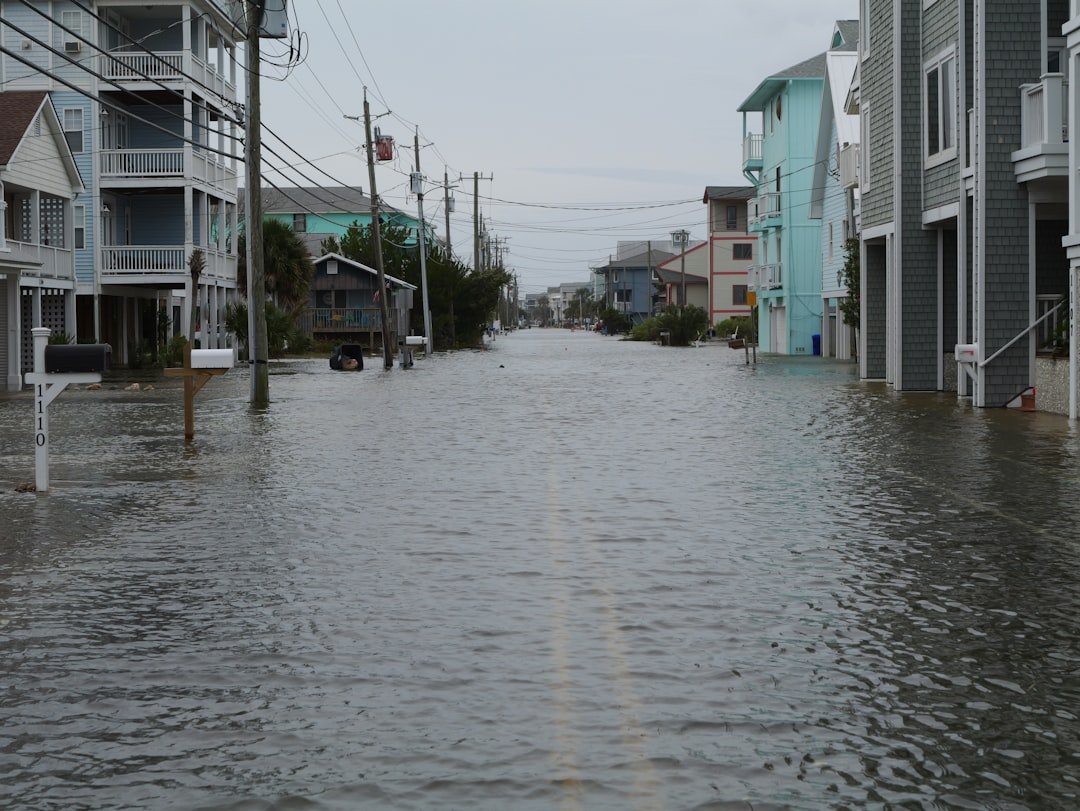
The news coming out of Vietnam is genuinely heartbreaking. Days of relentless, heavy rain have caused severe flooding, and the human cost is staggering. The last I read, the death toll had climbed to 43 people, with tens of thousands more—around 61,000—forced to evacuate their homes.
When you see numbers like that, it’s a stark reminder that behind every natural disaster story are real people, real families, and real communities turned upside down. As someone who spends their days in the world of insurance and risk, I can't help but see these events through a different lens. This isn't just a weather story; it’s a massive, complex event that ripples through our global systems in ways you might not expect.
Let’s talk about what’s really going on here.
First, the Unthinkable Human Cost
Before we get into the business and insurance side of things, we have to sit with the human element for a moment. Forty-three people have lost their lives. Imagine getting the call that your home is gone, or that a loved one is missing. That's the reality for thousands of families right now.
This is where the most fundamental forms of insurance come into play—life insurance, home insurance, personal property coverage. For those who have it, it’s a lifeline. It’s the financial backstop that allows a family to grieve without the immediate, crushing weight of financial ruin.
But let’s be honest: in many parts of the world, including some of these affected regions, insurance penetration can be low. This tragedy highlights a massive global challenge: how do we get crucial financial protection to the people who are most vulnerable to these increasingly frequent and violent weather events? It's a question the entire insurance industry is grappling with.
So, What Does This Have to Do With Your Morning Brew?
Okay, let's connect the dots. The areas getting hit the hardest by this rain are in Vietnam's central highlands. Why does that matter? Because that region is one of the world's most important coffee-producing powerhouses.
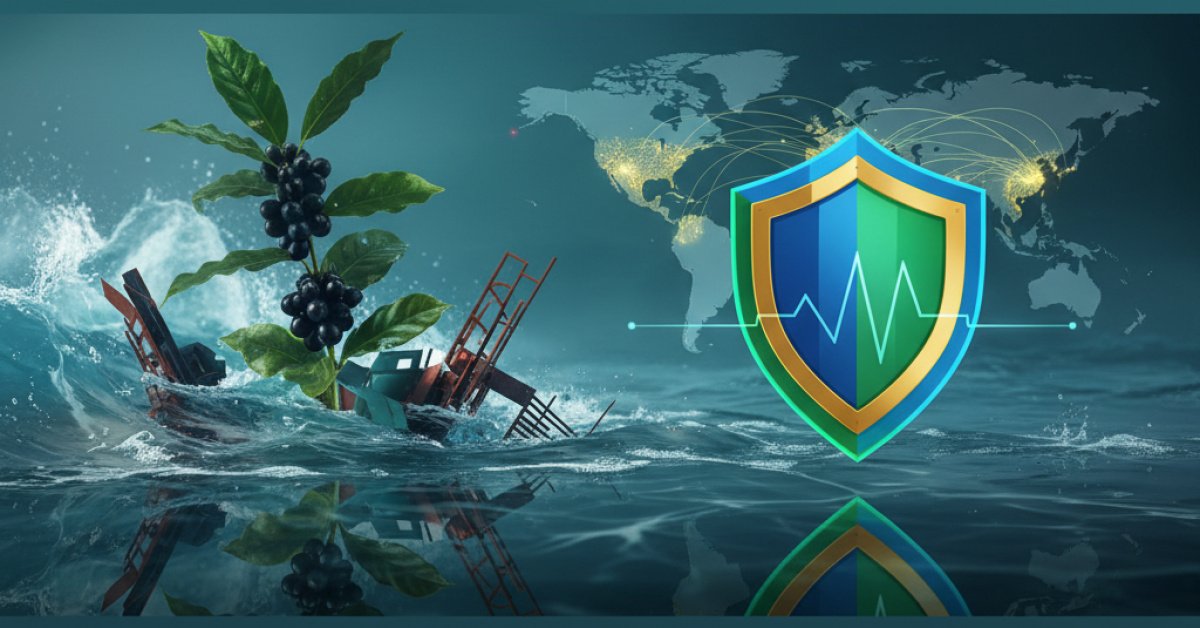
Vietnam is a giant in the coffee game, especially for Robusta beans—the kind that often ends up in your espresso and instant coffee. When their fields are underwater, it's not just a local farming issue. It’s a global supply chain event.
Think of it like this:
- Damaged Crops: The immediate and most obvious problem is the coffee plants themselves. Too much water can ruin a harvest, leading to massive losses for farmers. This is where agricultural insurance, or crop insurance, is supposed to step in. It’s designed to pay farmers for lost yield due to events exactly like this.
- Logistics Nightmare: Even if some of the coffee is salvageable, how do you get it out? Flooded roads, damaged bridges, and washed-out infrastructure can bring transportation to a grinding halt. Coffee beans can’t get from the farm to the processing plants, and they can’t get from the plants to the ports.
- Quality Control: Standing water can lead to mold and other issues, potentially ruining the quality of any beans that do survive.
For the farmers on the ground, this is a potential financial catastrophe. For the global coffee market, it means supply tightens, and when supply tightens, prices usually go up. That's right—a flood in Vietnam could eventually mean you pay a little more for your daily caffeine fix.
The Global Ripple Effect: A Lesson in Business Interruption
This is where things get really interesting from an insurance perspective. It's not just the coffee farmers in Vietnam who are affected. Think about the massive global companies—the roasters, the distributors, the coffee shop chains—that rely on a steady supply of Vietnamese coffee.
Their businesses are now at risk, even though their own factories and shops are thousands of miles away and perfectly dry. This is a textbook example of what we call contingent business interruption (CBI).
Let me break it down simply. Regular business interruption insurance covers you if your own property is damaged (say, your factory burns down) and you can't operate. But CBI coverage is different. It’s designed to protect you when a key supplier or customer has a problem that then shuts your business down.
A major coffee roaster in Europe or the U.S. might have a CBI policy that kicks in because their primary supplier in Vietnam can no longer deliver the beans they need. It’s a crucial, but often overlooked, piece of the commercial insurance puzzle. This flood is a real-world stress test for those policies.
And it’s not just coffee. The reports also mention that popular tourism areas are underwater. That means hotels, restaurants, and tour operators are facing their own business interruption crisis, unable to host guests and suffering massive income losses.
Are We Ready for This to Be the New Normal?
I hate to be the bearer of bad news, but events like this are becoming more common. The climate is changing, and that means we're seeing more extreme weather events across the globe.
This puts immense pressure on the insurance industry to adapt and innovate. The old models of assessing risk are being challenged every single day. We're seeing a rise in interest for things like parametric insurance, especially for agriculture and governments.
Instead of a traditional policy where an adjuster has to come out and assess the damage—which can take weeks—a parametric policy pays out automatically when a specific trigger is met. For example, if rainfall in a certain region exceeds 'X' millimeters in 24 hours, the policy pays out. It's faster, simpler, and gets money into the hands of those who need it right when they need it most.
Ultimately, events like the floods in Vietnam are a wake-up call. They remind us how interconnected we all are. The coffee farmer in the central highlands, the shipping company at the port, the roaster in Seattle, and the person sipping a latte in a local cafe—we're all part of the same fragile system.
And holding that system together, often invisibly, is a complex web of risk management and insurance. It’s what allows communities and businesses to rebuild after the water recedes. The next time you read a headline like this, take a moment to think about those invisible threads. They’re more important than we’ll ever know.