Let's talk about your morning coffee.
That rich, aromatic cup you’re probably sipping right now has been on an incredible journey. Long before it got to your kitchen, it started as a small cherry on a plant, likely tended by a family on a small farm thousands of miles away.
For a huge portion of the world's coffee, that journey begins in Vietnam. But here's the thing: the small family farms that form the backbone of this massive industry are facing a huge threat. The weather is getting more and more unpredictable, and one bad drought or one massive downpour can wipe out a family's entire livelihood for the year.
It’s a massive problem, not just for them, but for the stability of our coffee supply. So, what can be done? Well, one of the world’s biggest coffee traders, a company called ECOM Agroindustrial Corp., thinks it has a powerful answer: a special kind of weather insurance. And they’re not just dabbling in it—they’re looking to ramp up their program in a huge way.
So, What’s Really Happening with Vietnam's Coffee Farms?
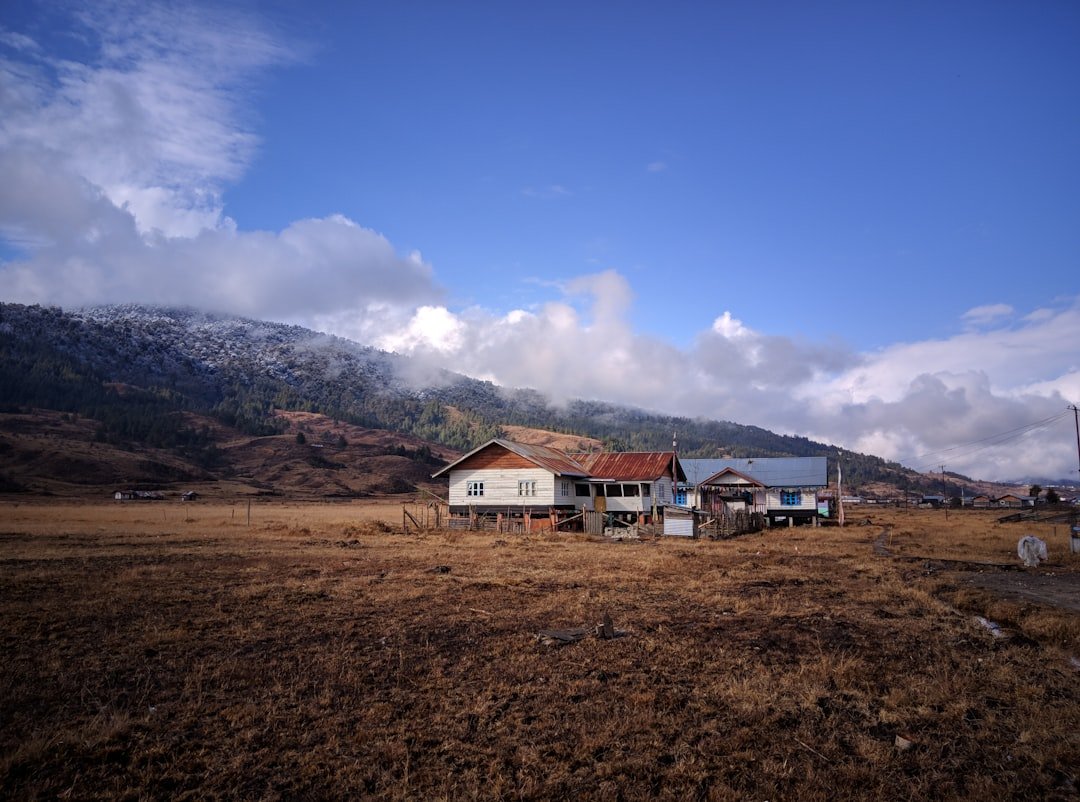
First, you have to understand how coffee growing works in Vietnam. It isn't dominated by massive corporate-owned plantations. Instead, the industry relies on thousands upon thousands of smallholder farmers. These are often families working a few acres of land, a tradition passed down through generations.
For a long time, the weather patterns were pretty reliable. You knew when the rains would come and when the dry season would help the coffee cherries ripen. But climate change has thrown a wrench in all of that.
Now, farmers are dealing with:
- Intense droughts: Long periods with no rain can shrivel the coffee cherries on the vine.
- Sudden deluges: Too much rain at the wrong time can cause flowers to drop before they can be pollinated, meaning no coffee cherries will grow.
- Unseasonal weather: Everything just feels off-kilter, making it incredibly difficult to plan planting and harvesting.
When your entire income depends on the weather cooperating, this kind of uncertainty is terrifying. It’s a gamble every single year. A bad season doesn't just mean less profit; it can mean not being able to feed your family or send your kids to school.
A Different Kind of Insurance Policy
This is where ECOM’s plan gets really interesting. They’re not offering traditional crop insurance. You know, the kind where an adjuster has to come out, walk your fields, assess the damage, and then maybe, months later, you get a check. For a small farmer, that process is often too slow and complicated.
Instead, they're using something called "specialty weather cover." A better name for it is parametric insurance.
Think of it like this: it’s less of an insurance policy and more of a straightforward "if-then" agreement.
Instead of insuring the crop itself, you’re insuring against a specific, measurable event. For example, the policy might say:
"IF the rainfall in your district, measured by a specific weather station, drops below X millimeters during the crucial growing months of March and April… THEN you automatically receive a payout of Y dollars."
That’s it. There’s no claims adjuster. No arguing about how much of your crop was damaged. The trigger is a piece of neutral, verifiable data—in this case, the rainfall total. If the data says the trigger was hit, the payout is automatic and, more importantly, fast. This speed is critical for a farmer who needs cash now to survive the season and prepare for the next one.
Why a Fivefold Increase? It's Smart Business
ECOM is a coffee trader. Their business depends on a steady, reliable supply of high-quality coffee beans. If their network of thousands of small farmers is constantly on the brink of financial disaster, their supply chain is incredibly fragile.
Helping these farmers manage their risk isn't just a nice thing to do; it's a strategic business decision.
By aiming to increase the number of covered growers fivefold, ECOM is trying to build a more resilient foundation for its entire operation. When farmers have this insurance safety net, they’re more stable. They can weather a bad year without going out of business. This creates a more predictable and secure supply of coffee for ECOM and, ultimately, for all of us.
It's a classic win-win. The farmers get protection and peace of mind, and the coffee trader gets a more reliable supply chain.
The Ripple Effect is Bigger Than Just a Check
The real magic of a program like this goes way beyond the payout itself. It changes the entire mindset and financial reality for these farmers.
When you know you have a backstop against a catastrophic weather event, you can make different choices. You're no longer just playing defense, trying to survive. You can start playing offense.
For example, a farmer with weather insurance might finally have the confidence to:
- Invest in their farm: They might take out a small loan to buy better irrigation equipment or higher-quality fertilizer, knowing that a single drought won't bankrupt them.
- Adopt sustainable practices: These often have upfront costs but pay off in the long run. The insurance gives them the breathing room to make those investments.
- Secure other financing: Banks are far more willing to lend money to a farmer who can show they have a mechanism to protect their income.
This isn't just about disaster relief; it's about empowerment. It gives these small family businesses the stability they need to grow and thrive, which in turn strengthens the whole community.
So next time you're enjoying your coffee, give a little thought to the farmers behind it. Their world is changing rapidly, but innovative tools like this specialty weather insurance show that there's a real path forward—one that helps protect their livelihoods and keeps our favorite morning ritual going strong. It’s a fascinating look at how the world of insurance is adapting to build a more resilient future, one coffee bean at a time.