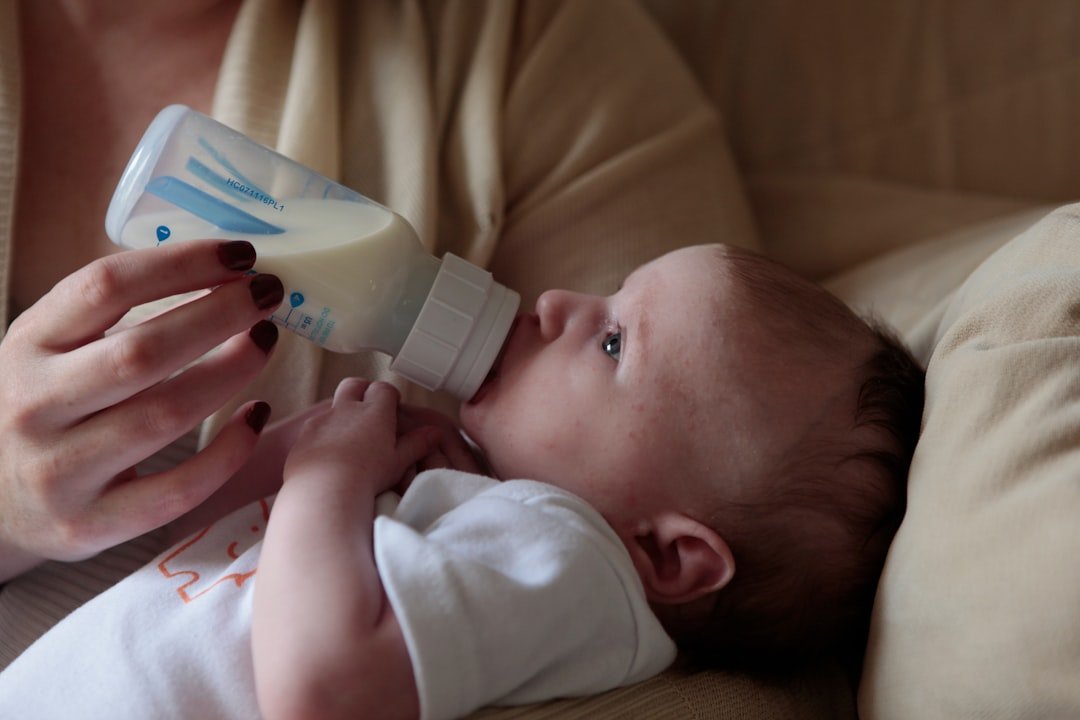
There are few products on the shelf that carry a heavier weight of trust than infant formula. For millions of parents, it’s a lifeline. They trust that what’s inside that can is safe, sterile, and nutritious. It’s a trust that is, frankly, sacred.
So, when headlines about recalls and contamination start to pop up, it sends a shockwave of fear through communities. And for those of us in the insurance and risk management world, it sets off a completely different, but equally loud, alarm bell. It’s the sound of liability, massive financial loss, and brand reputations going up in smoke.
On July 13th, the U.S. Food and Drug Administration (FDA) turned up the volume on that alarm. They issued a direct and serious warning to the entire infant-formula industry, urging them to get a much, much tighter grip on their suppliers. This wasn't just a friendly reminder. It was a clear signal that the status quo isn't cutting it anymore, and it has huge implications for how these companies need to manage their risk and their insurance.
So, What Exactly Triggered This?
This wasn't a warning that came out of the blue. It was a direct response to some pretty scary events, including multiple product recalls and, most alarmingly, recent cases of botulism. The FDA noted these were the first botulism outbreaks in the U.S. ever linked to baby formula.
Think about that for a second. The first ever. That’s a line you never want to cross.
When something like that happens, regulators don't just focus on the one company that had the problem. They look at the entire industry. The FDA’s message was clear: this is a systemic issue. They’re telling every single manufacturer, "You need to do more than just trust your suppliers. You need to substantively oversee them."
It’s like a teacher telling the entire class they have to start showing their math work because one student got caught just writing down answers. The level of scrutiny for everyone has just been raised, permanently.
The Supply Chain: A Giant Web of Risk
Here’s the thing that makes this so complicated: a can of infant formula isn't made in a vacuum. The company whose name is on the label relies on a massive, sprawling network of partners.
We’re talking about:
- The farms that produce the milk.
- The suppliers that create the vitamins and mineral powders.
- The companies that manufacture the cans and the plastic scoops.
- The logistics partners that ship everything around the country.
The FDA is saying that manufacturers are now on the hook for the safety practices of every single one of these partners. A chain is only as strong as its weakest link, and the FDA is demanding that manufacturers personally inspect every single link.
This creates a domino effect of liability. If a single bad batch of a vitamin premix from a third-party supplier in another state causes a contamination, who’s responsible? In the eyes of the public and the courts, it’s the brand on the can. That’s whose reputation gets destroyed. That’s who gets hit with the lawsuits.
The Product Liability Nightmare
Let's talk about what this really looks like from an insurance perspective. A recall is more than just an operational headache; it's a potential company-killer.
Imagine the costs. First, there's the recall itself—pulling products from thousands of store shelves, setting up return programs, and destroying contaminated inventory. That alone can run into the tens of millions of dollars.
But that's just the beginning. Then come the lawsuits. Class-action suits from consumers, individual suits from families whose children were affected. The legal fees are astronomical, and the potential settlements or judgments can be even worse.
And then there's the damage you can't easily quantify: the loss of brand trust. How do you recover when your company name is associated with sick babies? The cost of PR campaigns, rebranding efforts, and lost future sales is staggering. This is the kind of event that can wipe a business off the map.
Is Your Insurance Policy Actually Ready for This?
This new level of FDA scrutiny means you can't just assume your standard General Liability policy is going to save you. You need to look at your coverage through the lens of this intense focus on the supply chain.
Here are a few things you absolutely need to be reviewing with your broker right now:
Product Recall Insurance
Does your policy just cover the bare-bones expense of getting the product back, or does it go further? A good policy should cover costs like public relations consultants to manage the crisis, extra warehouse space, and hiring temporary staff to handle the logistics.
Contaminated Products Insurance (CPI)
This is a more specialized and, frankly, more robust coverage. CPI often goes beyond the recall itself to cover the business interruption losses—the money you lose because you can't sell your product. Crucially, it can also cover the costs of brand rehabilitation to help you win back customer trust.
Vendor and Supplier Contracts
This is huge. You need to be pulling out your contracts with every single supplier and reading the fine print.
- Indemnification Clauses: Does your contract clearly state that your supplier will cover your costs if their ingredient causes a problem? This is a critical risk-transfer tool.
- Insurance Requirements: Are you requiring your suppliers to carry their own liability insurance and, more importantly, to name your company as an Additional Insured on their policy? If not, you're taking on all their risk yourself.
This isn't just a job for the lawyers anymore. Your insurance underwriters are going to want to see that you have these contractual protections in place. It proves you're actively managing your supply chain risk.
It’s Time for a Proactive Conversation
The FDA’s warning isn't something to file away. It's a call to action. It's time to move from a "trust but verify" model to a "verify, then trust" model with your suppliers.
Start by conducting thorough audits of your key supply chain partners. Look at their safety protocols, their testing procedures, and their own supply chain management. And document everything. A paper trail showing your due diligence is one of the best defenses you can have if something goes wrong.
Most importantly, pick up the phone and have a real, honest chat with your insurance broker. Don't just wait for renewal. Talk to them about this specific FDA guidance. Ask them to stress-test your current policies against a major, supplier-caused recall scenario. Are there gaps? Is your coverage limit high enough?
This is about so much more than compliance or ticking a box. It's about protecting the most vulnerable among us, and in doing so, protecting your business from a risk that is truly catastrophic. In this new environment, getting your risk management and insurance house in order isn't just a smart business move—it's absolutely essential for survival.