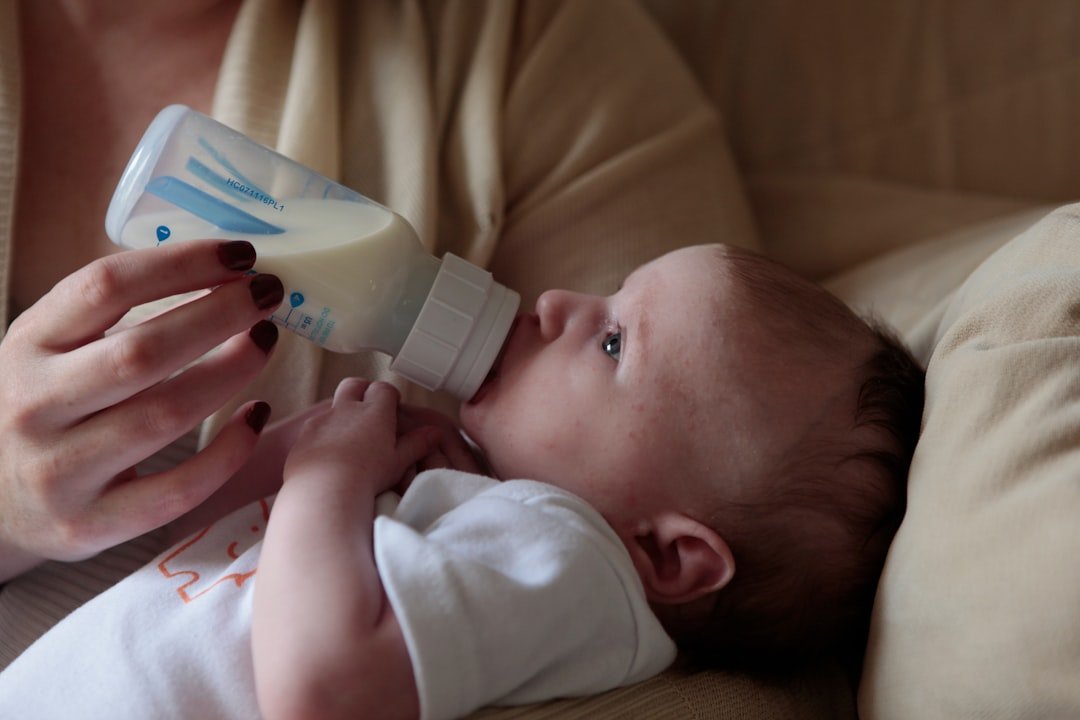
I saw the headline the other day and, like a lot of people, I felt a wave of relief. The FDA announced on April 29th that after testing hundreds of samples, the U.S. supply of infant formula is safe. They found only very low, non-threatening levels of any contaminants.
For any parent who lived through the formula shortages and safety scares of the last few years, that’s incredibly welcome news. It’s a collective sigh of relief. You can go to the store, grab a can off the shelf, and feel confident that you’re giving your baby the best.
But here’s the thing. As someone who spends their days deep in the world of risk and insurance, my brain immediately went to a different place. I thought about the people on the other side of that can of formula—the manufacturers, the distributors, the entire supply chain.
For them, this good news is fantastic. But it doesn't erase the massive, ever-present risk that hangs over their heads every single day.
A Ghost of Crises Past
Let’s be honest, it wasn’t that long ago that the infant formula industry was in full-blown crisis mode. We all remember the empty shelves, the frantic searches, and the terrifying headlines about potential contamination.
That whole situation was a textbook example of what can happen when things go catastrophically wrong. It wasn't just a PR nightmare; it was a logistical and financial disaster that cost a fortune and shook consumer trust to its core.
Think about it from the company’s perspective. One minute, you’re a trusted household name. The next, you’re pulling every single product from thousands of stores nationwide, shutting down production lines, and facing a firestorm of lawsuits and regulatory investigations. The financial fallout is staggering.
That’s the "what if" scenario that keeps executives in the food and beverage industry up at night. And it’s exactly why the recent "all clear" from the FDA, while great, is also a perfect time to talk about the insurance safety nets these companies simply cannot operate without.
The Two-Part Shield: Product Liability vs. Product Recall
When a product disaster strikes, there are two distinct financial bombs that go off. A lot of business owners think one insurance policy covers everything, but that’s a dangerous mistake. You really need two different kinds of shields.
Shield #1: Product Liability Insurance
First, you have Product Liability Insurance. This is the one most people are familiar with.
Think of it like this: your product allegedly hurts someone. A baby gets sick, and the parents believe your formula is to blame. They sue you for medical bills, pain and suffering, and a whole lot more. Product liability insurance is what steps in to handle that. It’s designed to cover:
- Legal defense costs (which can be astronomical, even if you’re proven innocent)
- Settlements or court-ordered judgments
- Medical payments
This is your protection against claims of bodily injury or property damage caused by your product. Without it, a single lawsuit could bankrupt you.
Shield #2: Product Recall Insurance
Now, here’s the one that often gets overlooked. While your liability policy is busy fighting lawsuits, who’s paying to get the potentially dangerous product off the shelves?
That’s where Product Recall Insurance comes in. This is a specialized coverage that pays for the mind-bogglingly complex and expensive process of a recall itself. A standard liability policy typically won't cover these costs.
We're talking about the money for:
- Getting the word out: Notifying the public, distributors, and retailers. This often involves major PR campaigns.
- Logistics: The cost of shipping products back from stores all over the country (or the world).
- Storage and Destruction: You have to put all that recalled product somewhere, and then you have to pay to safely destroy it.
- Replacement Costs: The cost of replacing the recalled product with a new, safe version.
- Business Interruption: This is a huge one. It can help replace the income you lose while your production is shut down to fix the problem.
The 2022 crisis was a perfect illustration of why this coverage is so vital. The cost of the recall itself was likely in the hundreds of millions, completely separate from any legal settlements that came later.
So, Does the FDA's "All Clear" Change Anything?
You might be thinking, "Okay, but the FDA just said everything is safe. Doesn't that lower the risk for these companies?"
Yes and no.
On one hand, a positive report from a major regulatory body like the FDA is fantastic for an insurance underwriter to see. It shows strong quality control and a commitment to safety. It might even help keep insurance premiums from skyrocketing.
But it absolutely does not mean the risk is gone.
An "all clear" today doesn't guarantee an "all clear" tomorrow. A single contaminated batch, a breakdown in the supply chain, or a new, unforeseen issue could trigger another crisis in a heartbeat. The FDA's report is a snapshot in time, not a permanent shield of immunity.
If a child gets sick and a lawsuit is filed, the company can’t just hold up the FDA report and have the case dismissed. It’s a strong piece of evidence in their favor, for sure, but it doesn't prevent them from being sued. They still have to defend themselves, and that costs money.
For businesses in this space, from massive corporations to small, artisanal food producers, this news shouldn't be a reason to relax. It should be a reminder of the standard they have to meet every single day, and the importance of having a robust insurance plan in place for the day that standard might, for whatever reason, slip. It’s not about planning to fail; it’s about having a plan for when things beyond your control go wrong.