If you’re a farmer, you know the feeling of waiting. Waiting for rain. Waiting for the sun. Waiting for the markets to turn in your favor. And lately, many have been waiting on Washington, holding their breath for details on that promised $12 billion aid package.
Well, the wait is over. The USDA finally pulled back the curtain, and the details are… interesting, to say the least.
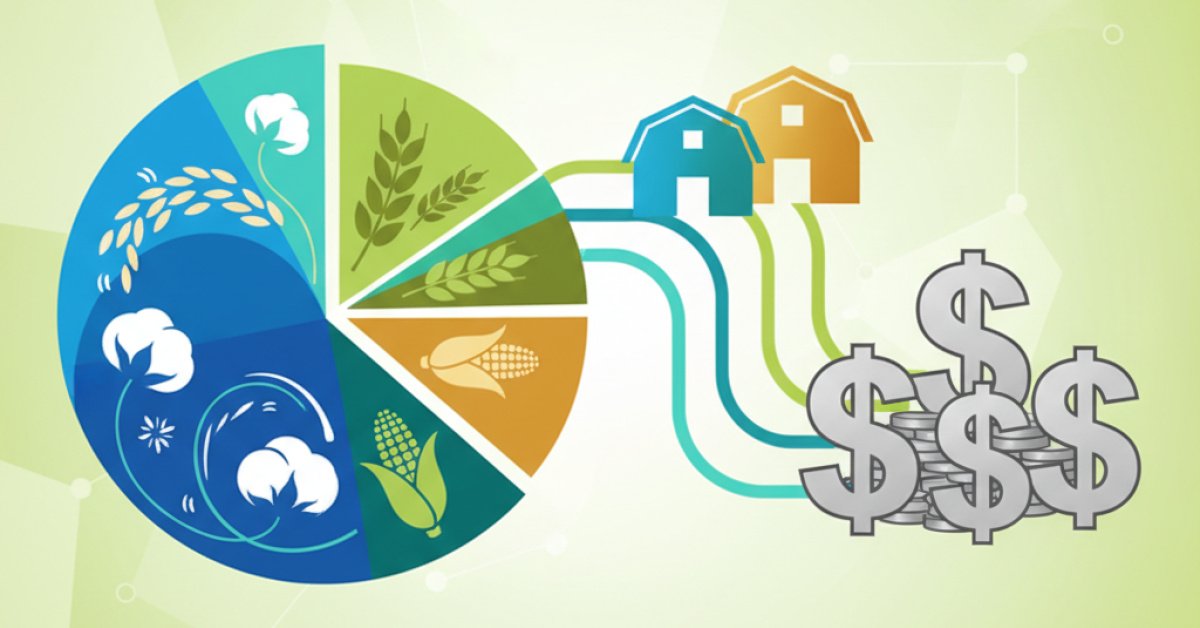
When the dust settled, it turns out that American growers of rice and cotton are positioned to get the biggest checks from this relief fund. And while any help is good help, it’s left a lot of folks in other sectors scratching their heads. Let’s break down who’s getting what and, more importantly, why.
So, What’s This All About Anyway?
First, a quick refresher. This whole $12 billion package is a direct response to the trade disputes that have been hammering American agriculture. When retaliatory tariffs hit, they hit farmers right in the wallet, making it tough to sell products overseas at a fair price.
Think of it like this: You’ve spent all year growing a fantastic crop, but suddenly your biggest and most reliable customer decides they’re going to pay 25% less. That’s a catastrophic blow. This aid package is the government’s attempt to put a bandage on that wound.
The USDA’s plan involves direct payments to growers of specific commodities that have been hit the hardest. They didn't just pull numbers out of a hat; they tried to calculate the level of "trade damage" for each crop. And that’s where things get interesting.
The Big Winners: A Closer Look at Rice and Cotton
When the payment rates were announced, two crops stood out from the pack.
- Cotton: Growers are eligible for a payment of 6 cents per pound.
- Rice: Long-grain and medium-grain rice farmers are looking at a payment of 49 cents per hundredweight.
Now, those numbers might not sound huge on their own, but when you multiply them by a farm's total production, they add up fast. For many rice and cotton operations, this is a significant lifeline.
The big question is, why them? According to the government’s math, these commodities felt some of the most concentrated pain from the tariffs. Their markets were heavily exposed, and the financial damage was deep and immediate. The USDA essentially looked at the economic impact and decided these farmers needed the biggest bandage.
How Did Other Farmers Fare?
While rice and cotton farmers are getting the most significant relief per unit, they certainly aren't the only ones getting help. The aid package covers a wide range of commodities, just at different rates.
Here’s a quick rundown of some of the others:
- Sorghum: 86 cents per bushel
- Soybeans: $1.65 per bushel
- Wheat: 14 cents per bushel
- Corn: 1 cent per bushel
- Dairy: 12 cents per hundredweight (based on historical production)
- Hogs: $8 per head (based on the number of live hogs owned)
You can see the massive difference right away. A penny per bushel for corn feels worlds away from the payment rates for soybeans or sorghum. Unsurprisingly, this has caused a lot of discussion in the farming community. While farmer and industry groups have welcomed the aid—because, again, any help is good help—the disparities highlight just how unevenly the trade war’s pain has been felt across the agricultural map.
The Real Takeaway: Bailouts are a Gamble, Insurance is a Plan
Look, nobody is going to turn down a government check when times are tough. This aid is absolutely necessary for thousands of family farms to keep the lights on. But I think we need to be honest about what this situation really tells us.
Government bailouts are reactive. They’re unpredictable. You can’t build a business plan around the hope that Washington will step in and save the day. One administration might offer a bailout, but the next one might not. The payment rates can feel arbitrary, and you have zero control over whether your specific crop will get the help it needs.
It’s like driving without a spare tire, just hoping a friendly tow truck happens to be nearby if you get a flat. It’s a risky way to operate.
This is exactly why a solid risk management strategy, with crop insurance at its core, is so non-negotiable.
Crop insurance isn’t a surprise gift; it’s a tool you control. You sit down with your agent, you look at your operation, and you choose a coverage level that protects your investment. You know exactly what your safety net is before you even plant a seed. It’s the spare tire in your trunk. You hope you never need it, but you sleep a whole lot better knowing it’s there.
While this $12 billion package is a welcome relief for many, especially our friends in the rice and cotton industries, let’s not mistake a temporary fix for a long-term strategy. The real lesson here is the enduring importance of taking control of your own risk. Because in farming, you have to be ready for anything, and you can’t always count on a tow truck to be just around the corner.