Have you ever planned a big project, budgeted everything down to the last penny, and then had a sudden, massive expense thrown at you right at the start? It’s a gut-wrenching feeling. Now, imagine that project is your entire livelihood for the year, and that unexpected expense is so huge it could sink you before you even begin.
That’s exactly the situation thousands of American farmers are facing right now. They’re gearing up for planting season, the most critical time of their year, and they’re getting hit with sticker shock that’s making their heads spin. The culprit? Soaring fertilizer and fuel prices, driven in large part by the war in Iran.
For a community that has long been one of Donald Trump’s most reliable and vocal bases of support, this is more than just an economic headache. It’s a crisis of confidence hitting just as the midterm elections are heating up, and it’s forcing some really tough conversations around the dinner table.
Why Are Farm Costs Suddenly Skyrocketing?
Let's break this down, because it can feel a little disconnected. What does a conflict halfway around the world have to do with the price of corn in Iowa or soybeans in Illinois? Well, it’s all about the supply chain. Think of it like a series of dominoes.
The war in Iran has thrown a huge wrench into global energy markets. That directly impacts the price you and I pay at the pump, but for farmers, it’s a double whammy.
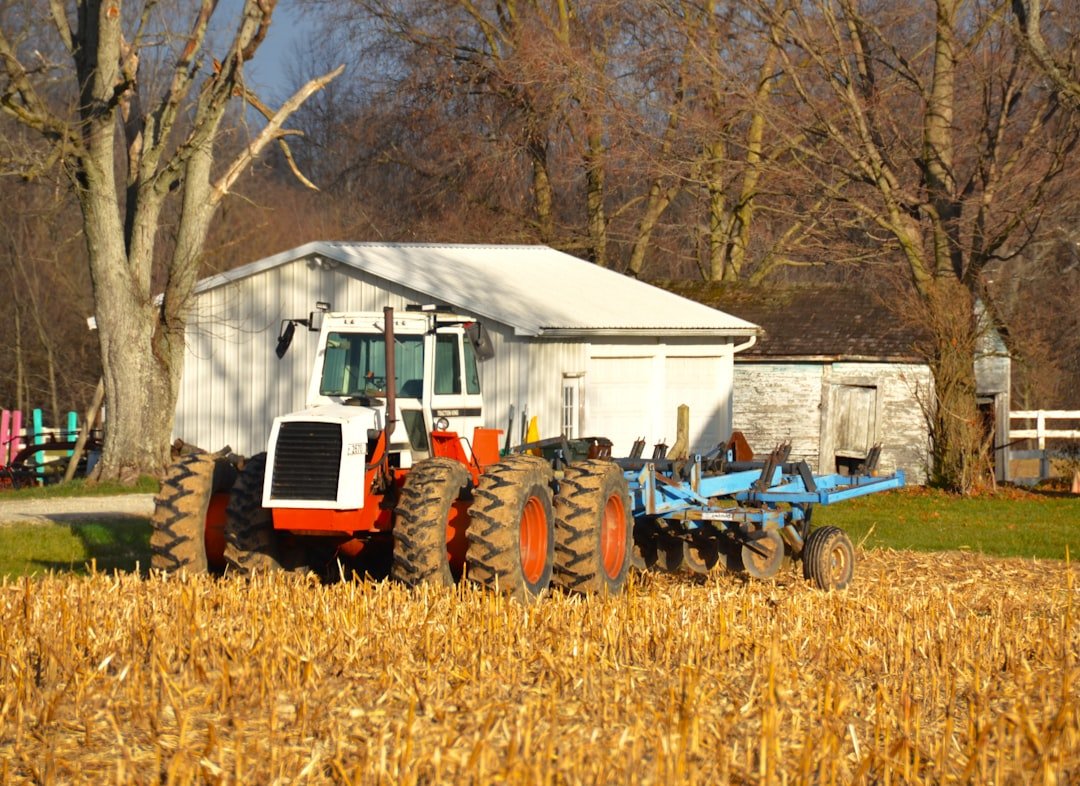
First, there’s the obvious: diesel fuel. Farmers don’t just drive pickup trucks; they run massive, fuel-guzzling machines like tractors, combines, and planters. When fuel prices spike, their operating costs go through the roof. It’s like your daily commute suddenly costing you hundreds of dollars instead of twenty.
But the bigger, and maybe less obvious, hit comes from fertilizer. Here’s the thing many people don’t realize: a key ingredient in modern nitrogen fertilizer is natural gas. When global energy markets get chaotic because of a war, natural gas prices soar. And when that happens, the cost to produce fertilizer goes right up with it. We’re not talking about a small bump, either. We’re talking about prices doubling or even tripling in a short period.
So, for farmers looking at their budgets, the two single biggest expenses they have—fuel to run their equipment and fertilizer to grow their crops—are exploding at the exact same time.
The Timing is Just Brutal
If this had happened in the middle of the growing season or after the harvest, it would have been bad. But for it to happen right now, just as farmers are about to start planting? It’s devastating.
Planting season is when farmers have to spend the most money. They lay out huge amounts of cash upfront to buy seed, fertilizer, and fuel. They’re essentially making a massive bet that they’ll be able to grow a successful crop and sell it for a profit months down the line.
When your initial costs suddenly double, that bet becomes infinitely riskier. You have to ask yourself:
- Can I even afford to plant all my acres?
- Should I cut back on fertilizer and risk a smaller yield?
- How much debt do I have to take on just to get this crop in the ground?
These aren't just business calculations; they're deeply personal decisions that affect a family's legacy and future. Every year is a gamble in farming, but this year, it feels like the house is changing the rules right as they’re putting their chips on the table.
A Real Test of Political Loyalty
This is where things get really interesting. Farmers, particularly in the Midwest, have been a cornerstone of support for Donald Trump. They stuck with him through trade wars and other policy shifts, often on the belief that he had their best interests at heart in the long run.
But this situation is different. This is immediate, tangible pain to their bottom line. It’s not a theoretical debate about tariffs; it’s a real bill for fertilizer that’s twice as high as last year. And as the midterm elections approach, you can feel the tension building.
The frustration is palpable. Many feel like they’re caught in a geopolitical storm that has nothing to do with them, yet they’re the ones paying the price. It’s forcing a difficult question: At what point does financial survival override political allegiance?
No one is saying there will be a mass exodus, but the unwavering loyalty is certainly being tested. When you’re worried about keeping the family farm afloat, your priorities tend to become very, very clear. This economic squeeze is making farmers listen a little more closely to what all sides have to say, and that could have a real impact when it comes time to vote.
It’s a stark reminder that for most people, politics isn’t an abstract game. It’s about the real-world impact on their lives and their ability to provide for their families. And right now, for America's farmers, that impact is hitting hard.