Have you ever heard a sound so massive it's hard to even imagine? Try this one on for size: picture 50,000 toilets flushing all at the same time, and they just don't stop. That’s the kind of volume we’re talking about—a roaring, man-made river being funneled through canyons in eastern Utah this spring.
It sounds wild, I know. But this isn't some crazy natural phenomenon. It’s a desperate, calculated move to prop up one of the most important, and most threatened, resources in the American West: Lake Powell.
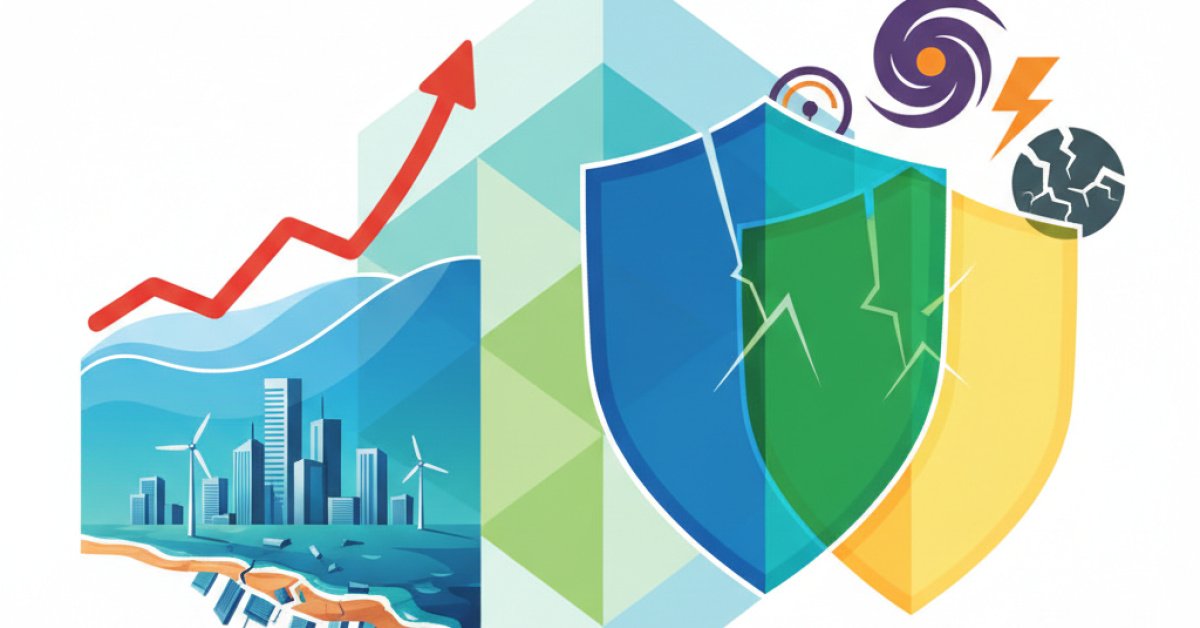
On the surface, this is a story about drought, water, and electricity. But as someone who’s spent years looking at how things can go wrong, I see something else. I see a massive, high-stakes gamble. And whenever there’s a gamble this big, you can bet the insurance industry is watching closely, because these are the kinds of events that create ripple effects no one sees coming.
Let's break down what's really going on here, and why it matters way more than you might think.
So, What’s the Big Emergency at Lake Powell?
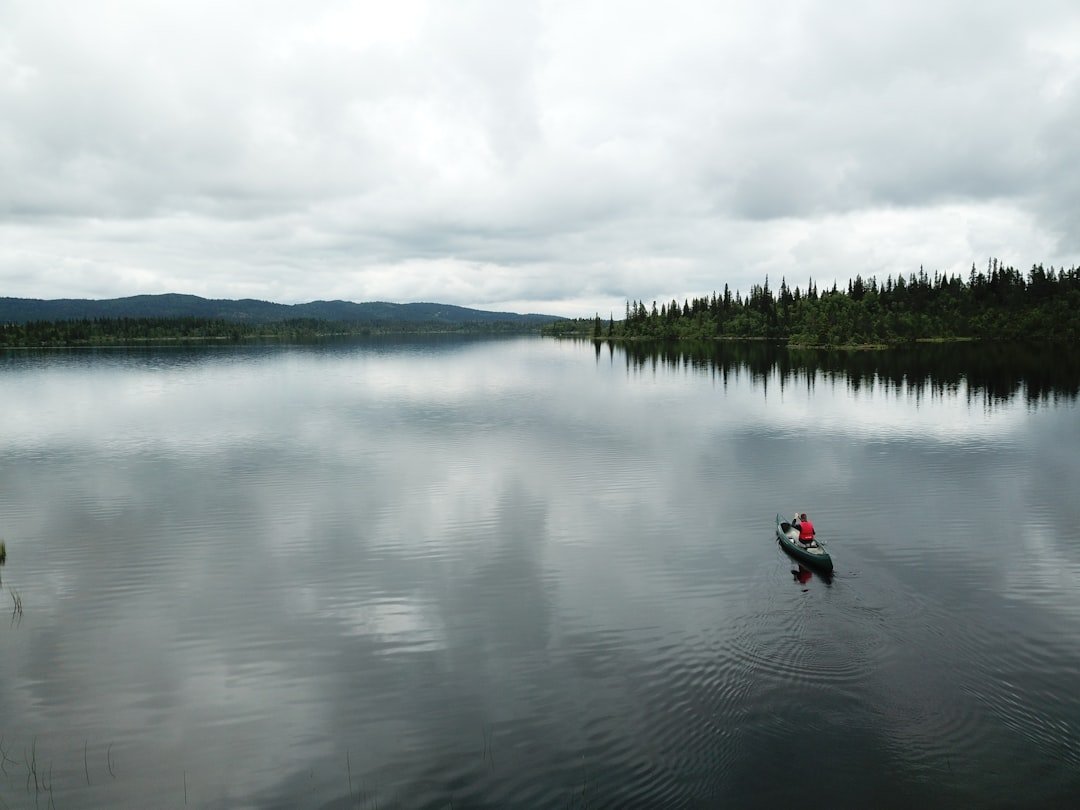
Okay, so here's the situation in a nutshell. Lake Powell, that massive, beautiful reservoir on the border of Utah and Arizona, is shockingly low. We're talking record-low levels thanks to a decades-long megadrought fueled by climate change.
This isn't just a problem for houseboaters. The lake’s water level is critical for the Glen Canyon Dam, a behemoth that generates hydropower for millions of homes and businesses across the West. Think of the water in the lake as the fuel for a giant engine. If the fuel level drops too low, the engine sputters and dies.
Right now, we're getting dangerously close to that point. If the water drops below a certain level, the turbines that generate electricity have to shut down. That would be a catastrophic blow to the power grid in a region already stretched thin.
So, federal officials made a tough call. They decided to "borrow" water from another reservoir upstream, Flaming Gorge, and send it rushing down to Lake Powell. It’s a temporary fix designed to keep the lights on. But it’s a bit like taking out a high-interest loan to pay your mortgage—it solves today’s problem, but it creates a whole new set of worries for tomorrow.
The High-Stakes Shell Game of Water Management
This is where things get really complicated. You can't just create water out of thin air. Moving it from Flaming Gorge to Lake Powell means the communities, ecosystems, and businesses around Flaming Gorge now have less.
Think about the marina owners there. Their docks might soon be sitting on dry land. Or the fishing guides whose livelihoods depend on a healthy, predictable river. Or the farmers who rely on that water for their crops. They are all paying the price to keep the power on for someone else hundreds of miles away.
This is what we in the risk world call a "risk transfer," but not in the way we usually mean with insurance. Here, the risk of a power outage in, say, Arizona is being transferred into the risk of economic and ecological damage in Utah and Wyoming.
It’s a classic case of robbing Peter to pay Paul. And while it might be necessary, it leaves a trail of new vulnerabilities in its wake. Every single one of those vulnerabilities—from a business losing revenue to property values dropping—has an insurance angle.
Where Insurance Fits into This Picture
This is the part that most news stories miss. This water transfer isn't just an environmental issue; it's a massive, unfolding insurance event. Let me explain how.
Business Interruption is a Real Concern
Imagine you own that marina at Flaming Gorge. The government effectively drains your lake, and suddenly, you can't operate. You’d probably want to file a business interruption claim with your insurance carrier. But here’s the tricky part: will your policy cover it?
Many policies have exclusions for government actions or slow, developing events like a drought. This isn't a sudden fire or storm; it's a deliberate, managed decision. The legal and insurance battles over who pays for these losses could be messy and last for years.
What About Property and Liability?
Let's think about the homeowners around these changing reservoirs. Rapidly shifting water levels can destabilize shorelines, damage foundations, and impact property values. Is that covered by a standard homeowner's policy? Almost certainly not. Most policies exclude things like "earth movement," and this would likely fall into that gray area.
Then there’s the big question of liability. If this water release causes unforeseen damage downstream or leaves Flaming Gorge a wreck, who is legally responsible? The federal government? The states involved? It’s a legal minefield, and you can be sure that liability insurers for all these government bodies are paying very close attention.
The Elephant in the Room: Systemic Risk
Honestly, though, the biggest insurance story here is the one we're trying to prevent: the failure of the power grid. A shutdown at Glen Canyon Dam wouldn't just be an inconvenience. It would be a systemic shock.
Think of all the potential claims:
- Food spoilage in every grocery store and restaurant.
- Business shutdowns across multiple states.
- Failures of critical infrastructure that relies on power.
The potential for a cascade of insured losses is astronomical. This is the kind of "systemic risk" that keeps insurance executives up at night. So, from their perspective, draining another lake to prevent that catastrophe might seem like the lesser of two evils.
What Does This Mean for You and Your Policy?
Okay, so why should you, sitting at home, care about all this? Because these massive, climate-driven events are fundamentally changing the insurance landscape for everyone.
This is a perfect example of why you’re hearing insurers talk so much about climate risk. It’s not some abstract future problem; it's happening right now. Events like this are forcing insurers to re-evaluate the risk of everything, everywhere.
For you, this could mean a few things down the line:
- Higher Premiums: When risk goes up across the board, so do prices. The massive potential losses from climate-related events are putting pressure on premiums for everyone.
- Tougher Underwriting: Insurers are getting much pickier about what and who they’ll cover, especially in high-risk areas.
- Policy Exclusions: Pay close attention to the fine print. We may see more specific exclusions related to drought, government water management, or grid failures.
This whole situation with Lake Powell is a wake-up call. It shows us that our world is more interconnected than we realize. The water in a distant lake is directly connected to the light switch in your house, and both are connected to the insurance policy that protects your family’s financial future.
We're watching a real-time experiment in risk management, and the final bill hasn't come due yet. It’s a powerful reminder that in insurance, just like with water, every single action has a reaction. And sometimes, the ripples spread a whole lot further than any of us expect.