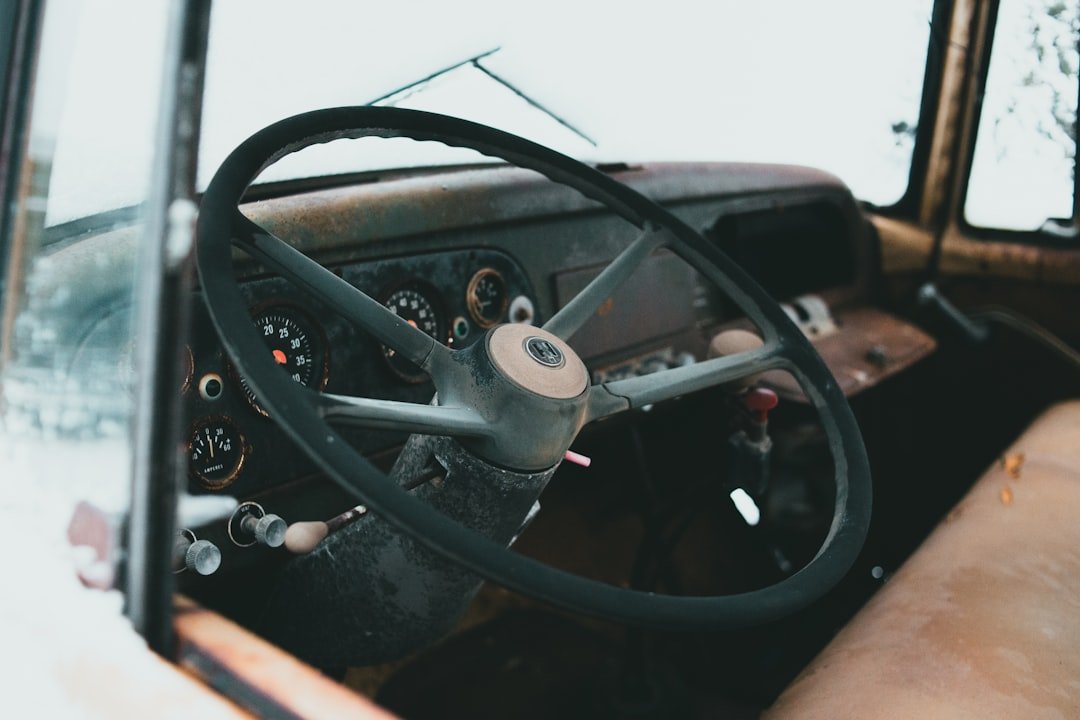
Have you ever tried to explain to a kid what a rotary phone was? Or a cassette tape? It feels a little like that when I think about the future of cars. We might be just a few years away from telling our grandkids about a time when humans actually had to hold a big plastic circle to steer their cars.
It sounds like science fiction, but it’s getting real, and it’s getting real fast.
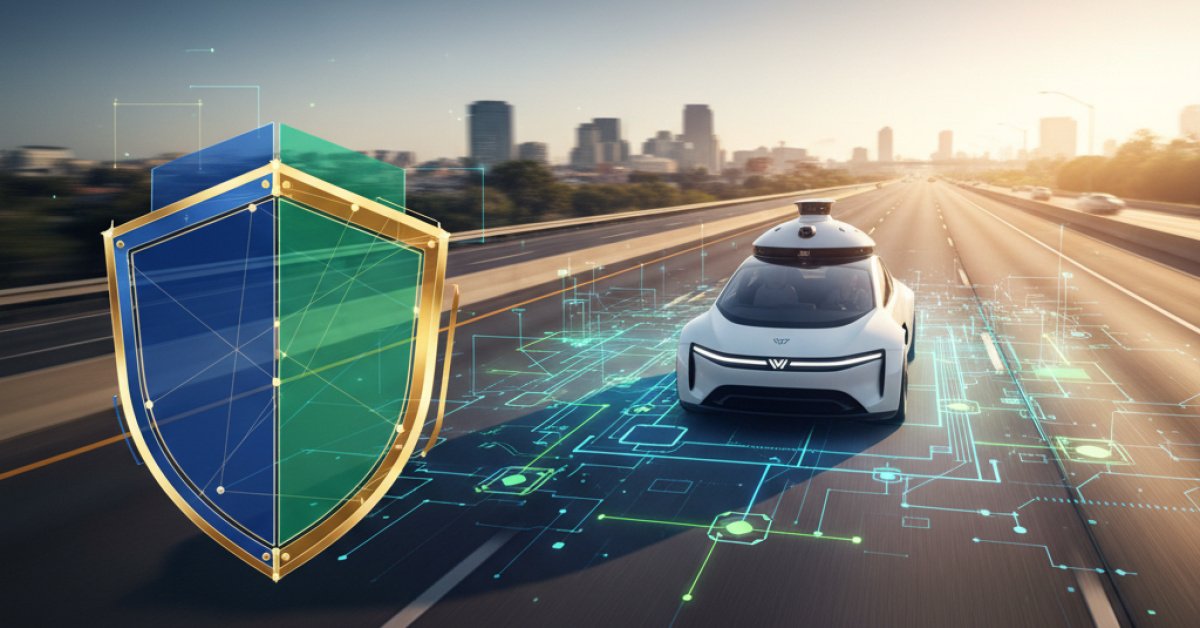
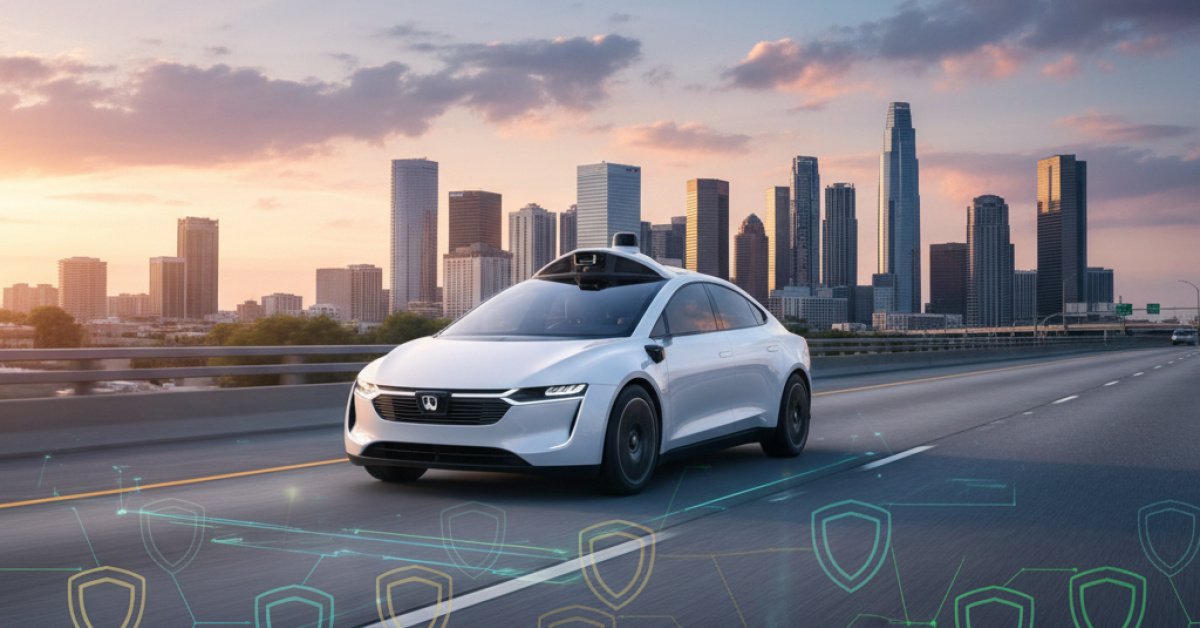
Amazon’s self-driving unit, a company called Zoox, just took a giant leap in that direction. They’ve officially asked the U.S. government for permission to put up to 2,500 of their custom-built robotaxis on the road. And here’s the kicker: these vehicles have no steering wheel. No pedals, either.
That’s right. A car with no way for a human to drive it. And now, the National Highway Traffic Safety Administration (NHTSA) is asking everyone—including you and me—what we think about it. As someone who lives and breathes insurance, this isn't just a cool tech story. It's a seismic shift that could completely rewrite the rules of the road and, more importantly, the rules of responsibility.
So, What's the Big Deal with Zoox's Petition?
Let's break down what's actually happening here. Zoox filed a petition back in August, and now the NHTSA, our nation's top auto safety regulator, is officially opening it up for public comment.
This isn't just about another self-driving car. We've seen those before. This is about a purpose-built vehicle. Think of it less like a modified Toyota and more like a little tram or horizontal elevator for the road. It’s designed from the ground up to be a robot, with passengers who are just along for the ride.
By removing the steering wheel and pedals, Zoox is making a bold statement: "We don't need a human backup." They believe their technology is ready for prime time. And they have to prove to the government that their little robotaxi is at least as safe as a car driven by a person.
The Million-Dollar Question: Who's at Fault When a Robot Crashes?
Okay, let's get to the part that keeps insurance folks like me up at night. Imagine one of these Zoox vehicles is involved in an accident. Who pays?
Right now, our entire auto insurance system is built around a simple idea: the driver. If you cause an accident, your liability insurance covers the damages. We look at your driving record, your age, where you live—all factors tied to a human being behind the wheel.
But with a car that has no driver, that whole model gets thrown out the window.
So, if a Zoox robotaxi runs a red light, who is at fault?
- Is it Zoox, the manufacturer? Did they build a faulty vehicle?
- Is it Amazon, the owner/operator? Did they fail to maintain the fleet properly?
- Is it the software engineers who wrote the code? Was there a bug in the system?
- Is it the passenger? (Probably not, but you can see how messy this gets!)
This is the fundamental challenge. We’re moving from a world of personal responsibility (individual drivers) to a world of product liability (the company that built and operates the machine).
Think of it like this: if your new toaster catches fire and burns down your kitchen, you don't file a claim against yourself. You go after the company that made the faulty toaster. That’s where we're heading with self-driving cars. The insurance policies of the future will likely be massive commercial policies held by companies like Amazon, not the personal auto policies we all have today.
Why the Government Wants to Hear From You
This isn't just some backroom deal between a tech giant and the government. The NHTSA is actively seeking public comments for a reason. This is uncharted territory for everyone.
They are the referees tasked with making sure our roads stay safe. They have to balance innovation with public safety, and frankly, it’s a tough job. They need to figure out if a vehicle without manual controls can meet all the existing Federal Motor Vehicle Safety Standards—standards that were written with a human driver in mind.
How do you test for things like brake failure if there's no brake pedal for a human to stomp on as a last resort? How do you ensure the vehicle makes safe decisions in a chaotic, unpredictable human world?
These are the tough questions regulators are wrestling with. And by opening it up for public comment, they're gathering as much information and as many perspectives as possible before making a decision that will set a huge precedent for the future of transportation in America.
This is More Than Just a Robotaxi—It's a Glimpse of the Future
It’s easy to dismiss this as a small-scale test with just 2,500 vehicles. But don’t be fooled. This is a critical first step. What happens with Zoox's petition will pave the way (or put up a roadblock) for every other company working on similar technology.
As an insurance professional, I see this as both incredibly exciting and incredibly challenging. The potential benefits are huge. A world with fewer accidents caused by drunk, distracted, or drowsy driving? That would be amazing. It could save thousands of lives and dramatically lower the costs associated with crashes.
But the path to get there is complicated. We have to build an entirely new framework for risk, liability, and financial responsibility. It's a puzzle we're all trying to solve in real-time.
So, the next time you see a headline about a car with no steering wheel, don't just think of it as a cool gadget. Think about what it really means. It’s a sign that the very definition of "driving" is changing, and every industry connected to it, especially insurance, is about to change right along with it.