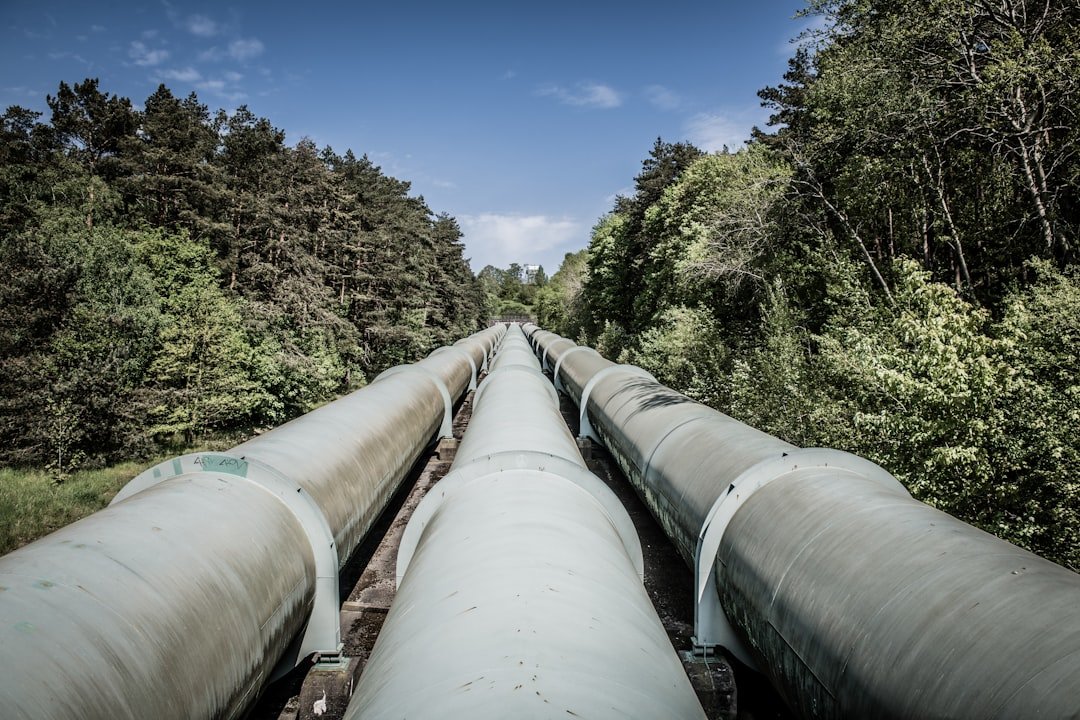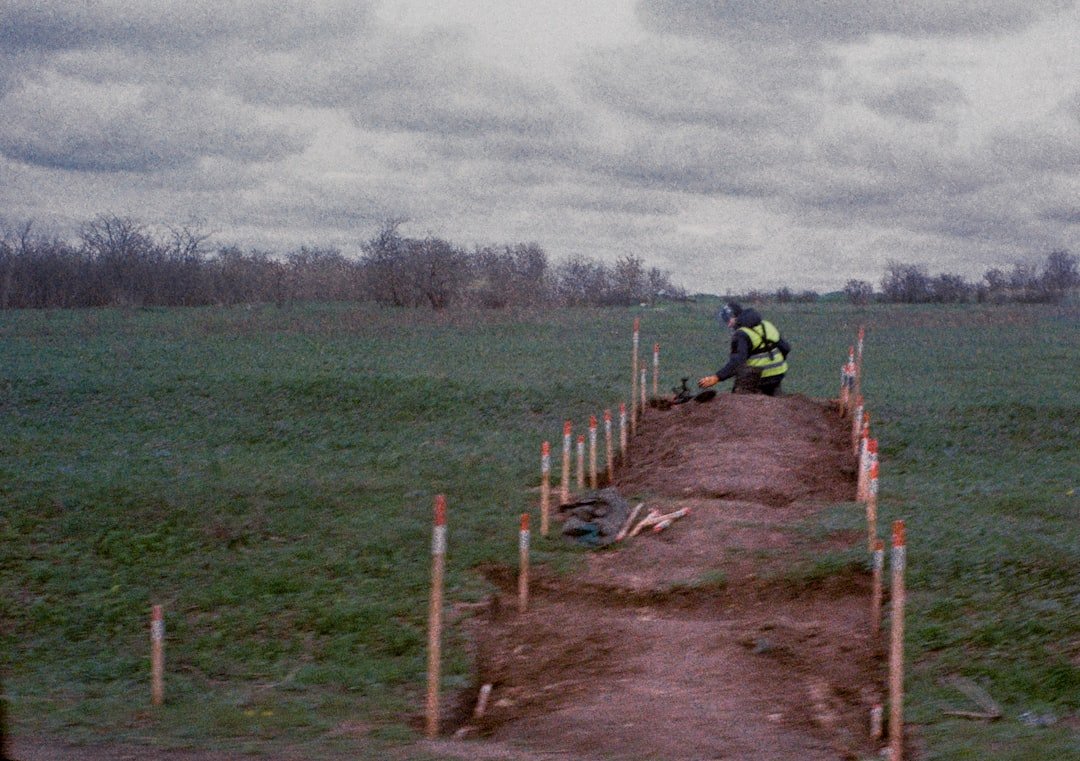
Imagine this for a second. You get a certified letter in the mail. It’s from a big energy company, and it says they plan to build a high-pressure natural gas pipeline straight through the property you’ve poured your heart and soul into.
That’s exactly what happened to Ty and Leslie Eggemeyer back in 2022. They run a nearly 4,000-acre wildlife resort in Lampasas County, Texas. We’re not just talking about deer and turkey here; their place is home to giraffes, wildebeests, and gazelles. For them, that letter wasn't just an inconvenience—it was a threat to their entire world.
This story might sound unique because of the exotic animals, but the core problem is becoming incredibly common all across Texas. With the boom in energy production, more and more landowners are finding themselves in the path of new pipelines. And while the fight over land rights and compensation gets a lot of attention, there’s a quieter, more dangerous issue that most people don't think about until it's too late: insurance.
The Big Question: If Something Goes Wrong, Who Pays?
Let's get right to it. If that pipeline leaks, ruptures, or explodes on your property, who is on the hook for the damage?
Most people assume the pipeline company is 100% responsible. And while they should be, the legal and financial reality is a whole lot messier. The easement agreement you sign—the legal document that gives them the right to use your land—is a minefield of clauses about liability and responsibility.
Think of it like this: You’re letting a massive industrial operation set up shop in your backyard. Your peaceful ranch or farm suddenly has an entirely new, and very serious, set of risks. We’re talking about potential soil contamination, water pollution, fires, and, in a worst-case scenario, a catastrophic explosion.
The pipeline company will have its own insurance, of course. But their policy is designed to protect them. It doesn’t automatically protect you from being sued or from suffering a devastating financial loss.
"But I Have a Farm & Ranch Policy!"
This is the number one mistake I see landowners make. They assume their existing landowner's or farm and ranch insurance policy will cover them.
Unfortunately, that's almost never the case.
Your standard policy is written to cover normal agricultural or recreational activities. It covers things like a barn fire, a tractor accident, or someone tripping and falling while visiting your property. It was never designed to cover risks associated with a high-pressure industrial pipeline.
In fact, if you read the fine print, you’ll likely find some pretty specific exclusions. Most policies have clauses that deny coverage for:
- Pollution Events: A leak from a pipeline would almost certainly fall under a pollution exclusion. Clean-up costs can be astronomical, and your policy will likely say, "Sorry, not our problem."
- Damage from Industrial Operations: The policy might exclude anything related to non-farm business or industrial activity conducted on your property. A pipeline definitely qualifies.
- Damage to the Company's Property: Your policy isn't going to pay to repair the pipeline itself or cover the company's lost product.
So, if a disaster happens, you could be left with contaminated land, dead livestock (or in the Eggemeyers' case, giraffes), and a property value that has plummeted. And your own insurance company may have every right to deny your claim.
The Danger of Being "In the Middle"
Here’s where it gets even scarier. Let's say there's an incident. Someone gets hurt, or a neighboring property is damaged. Who do you think their lawyer is going to sue?
They’re going to sue everyone involved. That means the pipeline company and you, the landowner.
Even if you are eventually found to have zero fault, you’ll still have to pay for a lawyer to defend yourself. Legal battles like this can drag on for years and cost tens, if not hundreds, of thousands of dollars. This is a financial and emotional nightmare that your standard insurance policy was not built to handle. You're stuck in the middle of a fight between a third party and the pipeline company, and you're the one with the most to lose.
How You Can Actually Protect Yourself
Okay, so the situation can seem pretty bleak. But you’re not powerless. The key is to be proactive before you sign anything. The moment you get that letter in the mail, your focus should shift to managing this new risk.
Here’s what you need to do.
1. Lawyer Up, Immediately
Do not try to negotiate an easement agreement on your own. You need to hire an experienced attorney who specializes in eminent domain and pipeline easements. Not just any lawyer will do. You need someone who understands the specific tricks and traps hidden in these contracts. This is non-negotiable.
2. Make Insurance a Core Part of the Negotiation
Your lawyer will fight for fair compensation for the land, but you need to insist that they also fight for ironclad insurance and indemnity protections. Here’s what to ask for:
- A Strong Indemnity Clause: The agreement must state, in no uncertain terms, that the pipeline company will indemnify you, which is a legal way of saying they will cover all costs, damages, and legal fees if something goes wrong. It should protect you from any claim related to their pipeline.
- Make Them Add You to Their Insurance: This is the big one. Demand that the pipeline company add you as an "Additional Insured" on their general liability insurance policy. This means their insurance policy now protects you, too. If someone sues you over a pipeline incident, their insurance company has to step in and defend you.
- Get Proof (and Understand It): Don't just take their word for it. You need a "Certificate of Insurance" (COI) that clearly lists you or your trust as an Additional Insured. Your lawyer should review their policy to make sure the coverage is adequate (we’re talking millions of dollars, not a small policy) and that it doesn’t have sneaky exclusions that would affect you.
3. Keep Your Own Insurer in the Loop
It’s a good idea to have a conversation with your own insurance agent. Show them the easement agreement and the pipeline company's certificate of insurance. This helps ensure there are no surprises and allows your agent to understand the new risk profile of your property. They may not be able to offer you a specific policy for it, but they can help you understand where your own coverage ends.
Ultimately, the story of the Eggemeyers and their giraffe resort is a powerful reminder for every landowner in Texas. When industry comes knocking, it brings a whole new world of risk with it. You can't just assume you're protected.
You have to be your own best advocate. By understanding the insurance gaps and fighting for the right protections in your easement agreement, you can help shield your family and your land from a potential catastrophe. Don't wait for the worst to happen to find out you're not covered.