Have you seen the pictures coming out of Sweetwater, Texas? It’s pretty wild. We’re talking about a literal mountain of old wind turbine blades, thousands of them, just sitting there baking under the sun. It looks like a graveyard for giants.
A company called Global Fiberglass Solutions has been stockpiling them at a couple of facilities, and now a Texas court has stepped in and ordered them to stop. They’ve been hit with a temporary injunction, which is basically the legal system shouting, “Whoa, hold on a second. We need to deal with this.”
Now, you might see this story and think it’s just a local environmental issue. But for those of us in the insurance world, this is a five-alarm fire. This situation is a perfect, real-world case study of environmental liability, complex risk, and what happens when a novel problem meets old-school insurance policies. Let’s break down what’s really going on here and why it’s such a headache.
So, What’s the Big Deal with a Pile of Blades?
First off, we need to understand what these things are. A wind turbine blade isn’t just a simple piece of plastic. It’s a massive, complex piece of engineering, often over 150 feet long and weighing several tons.
They're made from composite materials—mostly fiberglass and resins. Think of it like a boat hull, but on a colossal scale. This stuff is designed to be incredibly strong and durable to withstand hurricane-force winds for 20-25 years. And that’s the problem. "Durable" is just a nice way of saying it doesn't break down.
You can't just shred them into mulch or melt them down easily. They are notoriously difficult and expensive to recycle. So, what you have in Sweetwater isn't a recycling facility in the traditional sense; it’s become a massive holding pen for industrial waste. And that waste comes with a ton of risks:
- Fire Hazard: These composite materials are highly flammable. Imagine one of these blades catching fire. You’d have a massive, toxic blaze that would be incredibly difficult to put out. The smoke alone would be a huge environmental problem.
- Contamination Risk: What happens when these things sit out in the rain and sun for years? Do the resins and chemicals start to leach into the soil and groundwater? It’s a legitimate concern and a classic pollution liability scenario.
- Physical Hazard: It’s a giant, un-managed pile of debris. It’s an eyesore, a public nuisance, and it attracts all sorts of unwanted attention.
When you look at it this way, it’s not just a pile of blades. It’s a ticking time bomb of potential claims.
The Insurance Puzzle: A Perfect Storm of Exclusions
Okay, let’s put on our underwriter hats for a minute. A company like this comes to you for insurance. Where do you even begin? This situation highlights the gaps and complexities in standard commercial insurance policies.
General Liability (GL) is a Non-Starter
Your first thought might be a Commercial General Liability policy, but that’s likely a dead end. Most standard GL policies have what we call a pollution exclusion. They are designed to cover "sudden and accidental" events, not the slow, gradual accumulation of a known pollutant or waste material.
Piling up thousands of blades over time is the opposite of sudden and accidental. It’s a planned business operation. Any claim for cleanup costs or third-party damages related to soil contamination would almost certainly be met with a denial letter pointing straight to that exclusion.
This is a Job for Environmental Insurance
This is exactly why Environmental Impairment Liability (EIL) insurance exists. EIL, or Pollution Legal Liability (PLL), is specifically designed to cover claims arising from pollution conditions. This includes things like:
- Cleanup costs (both on-site and off-site)
- Legal defense expenses
- Bodily injury and property damage claims from third parties
The big question is, did this company have an EIL policy? And if they did, was it robust enough? These policies are complex. They have specific definitions of what constitutes a "pollutant" and a "pollution condition." An underwriter would have needed to know exactly what the company was doing to price the risk correctly. Given the court injunction, it seems the reality of the operation might be different from what was on paper.
What About Property and D&O?
From a property insurance perspective, this site is a nightmare. You have an incredible concentration of highly flammable, high-value (in terms of replacement cost, not salvage value) items. The fire risk is off the charts. It's a risk most carriers would run away from.
And then there's the Directors & Officers (D&O) angle. When a company ends up in a legal mess like this, you can bet that fingers will be pointed at the leadership. A D&O claim could easily arise, alleging mismanagement or a failure to create a viable, safe, and legal business plan for handling this waste.
A Glimpse into the Future of Green Energy Risk
Here’s the thing: this isn’t just a one-off story about a single company in Texas. This is a preview of a massive, industry-wide challenge that we’re just beginning to grapple with.
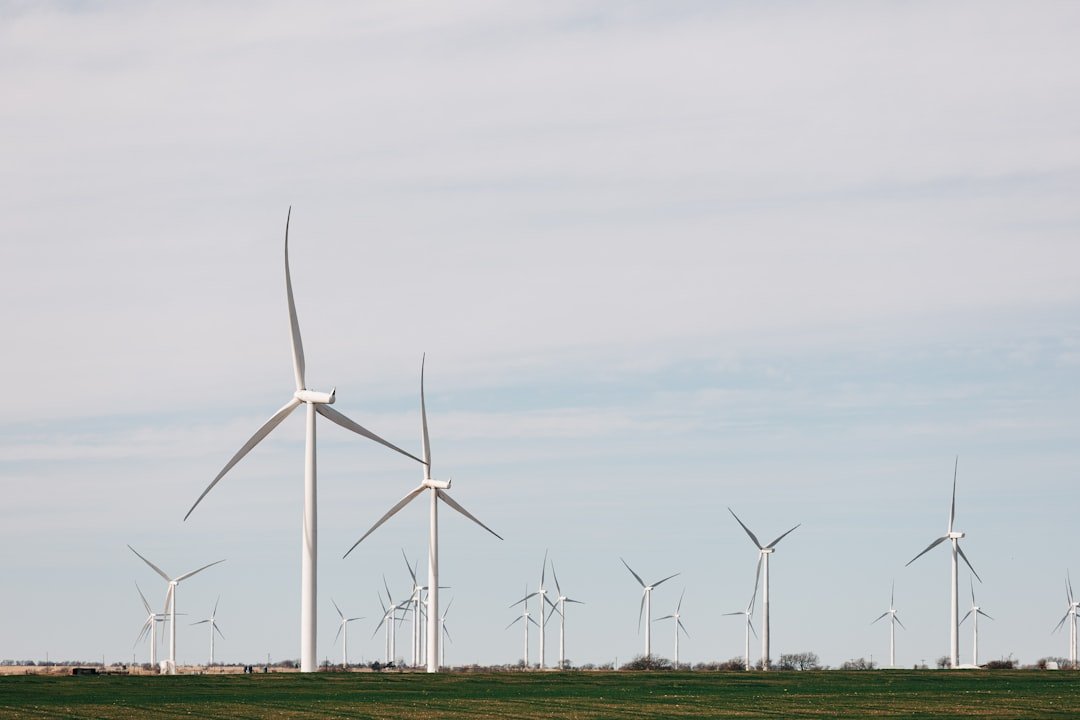
Wind energy is a cornerstone of our transition to renewables, and that’s a good thing. But tens of thousands of turbines were installed in the early 2000s, and they’re all starting to reach the end of their 20-to-25-year lifespan. What happens to all those blades?
The Sweetwater situation is a wake-up call for the insurance industry. As underwriters, brokers, and risk managers, we need to get a lot smarter about decommissioning.
When we’re insuring a new wind farm, we can't just focus on the operational risks anymore. We have to start asking the tough questions about the end of the line. What is the plan for disposal? Is it funded? Is it realistic? We may see insurers start requiring decommissioning bonds or specific "end-of-life" coverage endorsements to ensure funds are set aside for proper disposal.
So, the next time you drive past a field of those majestic, spinning turbines, think about what’s happening in Sweetwater. It’s a powerful reminder that every industry, even a green one, creates waste. For us, that waste represents a new and evolving frontier of risk—one we have to be ready to understand, price, and manage. This story is far from over.