Have you ever read a headline that seems like it has nothing to do with you, but it sends a little shiver down your spine anyway?
That’s how I felt when I saw the news out of Oklahoma recently. The state’s Attorney General announced a settlement with a major poultry company, George’s, Inc. The issue? Pollution from poultry litter was seeping into the Illinois River Watershed.
Now, you might be thinking, “Okay, I don't run a massive poultry operation in Oklahoma. What does this have to do with my construction company in Florida or my manufacturing plant in Ohio?”
I get it. But as someone who spends their days deep in the world of insurance, I can tell you this story is a huge, flashing red light for almost any business owner. It’s a real-world, high-stakes example of a risk that far too many businesses are completely unprotected against, and they don’t even know it.
Let's break down what happened and, more importantly, what it means for the insurance policy you probably think has you covered.
So, What’s the Big Deal About This Settlement?
At its core, the story is pretty simple. The state of Oklahoma claimed that the company's operations were causing environmental damage. After what was surely a long and expensive legal process, they reached an agreement.
The Attorney General, Gentner Drummond, said the settlement showed that "fair, good-faith negotiations can produce outcomes that protect our natural resources." That’s the official line.
But here’s the unofficial, behind-the-scenes truth for business owners: A company was held financially responsible for pollution that happened over time, as a part of its normal operations.
This wasn't a sudden, dramatic chemical spill. It was a slow, creeping problem—the kind that can build up for years before anyone even files a complaint. And when they do, the cleanup costs and legal fees can be absolutely devastating. We're talking about numbers that can bankrupt a company.
This is where you expect your insurance to swoop in and save the day, right? Well, I have some bad news.
"But I Have General Liability Insurance!" ...Are You Sure It Covers Pollution?
This is the single most dangerous assumption a business owner can make. You pay your premium every year for a Commercial General Liability (CGL) policy, and you assume it’s a catch-all for any disaster that comes your way.
Unfortunately, that’s just not how it works, especially with pollution.
Think of your CGL policy like a standard home insurance policy. It’s fantastic for covering a fire or a break-in. But if your house is in a floodplain, that standard policy almost certainly will not cover flood damage. You need a separate, specific flood insurance policy for that.
Pollution is the flood of the business world.
Decades ago, CGL policies did cover some pollution claims. But after insurers had to pay out billions for environmental cleanup sites, they learned their lesson. They started adding what’s known in the industry as the "absolute pollution exclusion."
The Absolute Pollution Exclusion: What It Means
It sounds intense, and honestly, it is. This exclusion is now a standard part of virtually every CGL policy. It basically says that the policy will not cover any loss, damage, or cleanup cost arising from the discharge or escape of "pollutants."
And here's the kicker: the definition of a "pollutant" is incredibly broad. It’s not just toxic waste and nuclear material. It can be:
- Fumes from a paint shop
- Runoff from a construction site
- Chlorine from a pool cleaning business
- Dust and debris from a demolition job
- And yes, even poultry litter from a farm
So, when the state of Oklahoma came knocking, that poultry company’s standard liability policy likely wouldn’t have touched the claim with a ten-foot pole.
The Policy You Might Need: Environmental Impairment Liability (EIL)
If your CGL policy won’t cover it, what will?
This is where a specialized policy comes into play. It's often called Environmental Impairment Liability (EIL) or simply Pollution Liability Insurance. This is the policy designed to fill that massive gap left by the pollution exclusion.
It’s built specifically for these kinds of messes. EIL insurance can cover things like:
- Cleanup Costs: The actual, hands-on costs of remediating the polluted soil or water.
- Legal Defense: Paying for the army of lawyers you’ll need to defend your company against lawsuits from state agencies or private citizens.
- Fines and Penalties: The government doesn’t just ask you to clean up; they often hit you with hefty fines.
- Bodily Injury and Property Damage: Coverage if the pollution makes people sick or damages their property.
You can see how this goes way beyond a standard policy. It's tailored for a specific, and potentially catastrophic, risk.
Who Really Needs to Worry About This?
It's easy to think this is just for big chemical companies or oil refineries. But the reality is, the list of businesses with a genuine pollution risk is much longer than you'd think.
If you’re in any of these fields, this Oklahoma story should be on your radar:
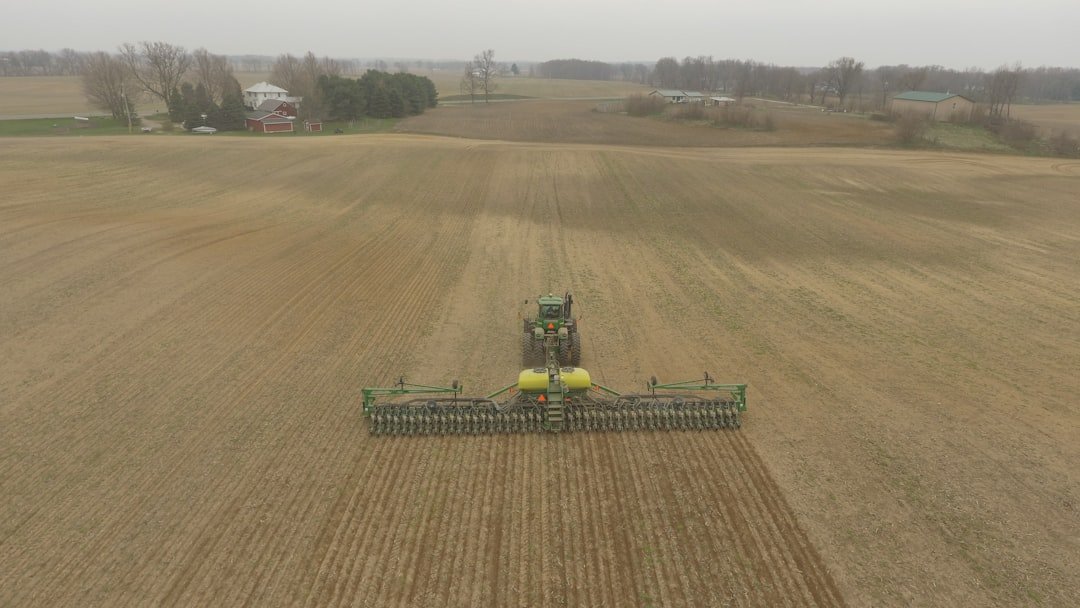
- Agriculture and Farming: Just like the case in question. Runoff from fertilizers, pesticides, and animal waste is a primary concern.
- Construction and Contractors: You’re constantly disturbing soil, using chemicals, and dealing with materials that can be considered pollutants if they end up where they shouldn’t be.
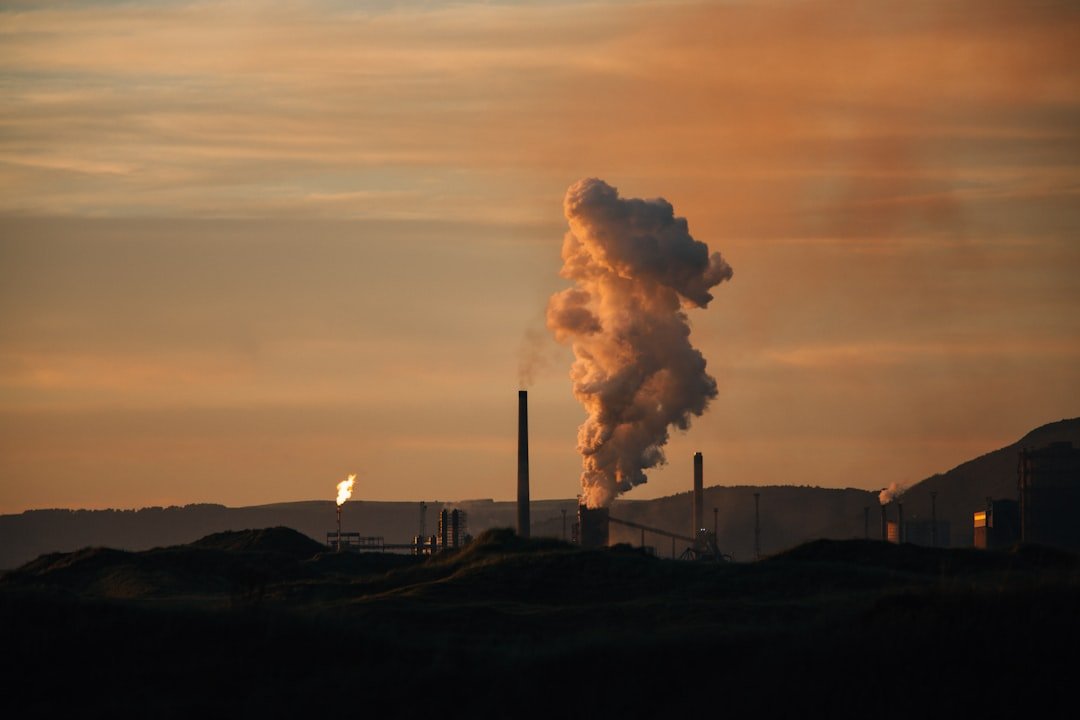
- Manufacturing: Any facility that produces byproducts, uses solvents, or has smokestacks has an inherent pollution risk.
- Auto Shops and Garages: Think of all the oil, antifreeze, and other fluids that could potentially leak and seep into the ground.
- Property Owners and Developers: Did you know you could be held liable for pollution that was created by a previous owner of your land? It’s true. An EIL policy can protect you from that, too.
The bottom line is, if your business operations could, in any way, contaminate the air, soil, or water around you—even accidentally—you have a pollution risk.
It’s About Being Smart, Not Scared
Look, I’m not trying to be an alarmist. The goal here isn't to make you lose sleep tonight. It's to make you aware of a real-world risk so you can handle it smartly.
The settlement in Oklahoma is a perfect case study. It shows us that regulators are serious about environmental protection, and they aren't afraid to hold businesses accountable. Relying on "good-faith negotiations" is one thing, but having a solid insurance policy to back you up is another level of protection.
This is one of those things that is far better to sort out ahead of time. The worst possible moment to discover a hole in your insurance coverage is after you’ve already been sued.
So, take a moment this week. Pull out your business insurance policy. If you can’t make heads or tails of it (and let’s be honest, who can?), call your insurance broker. Ask them point-blank: "Do I have a pollution exclusion? And what would happen if a situation like that Oklahoma case happened to my business?"
Having that one simple conversation could be the difference between a manageable problem and a business-ending catastrophe.