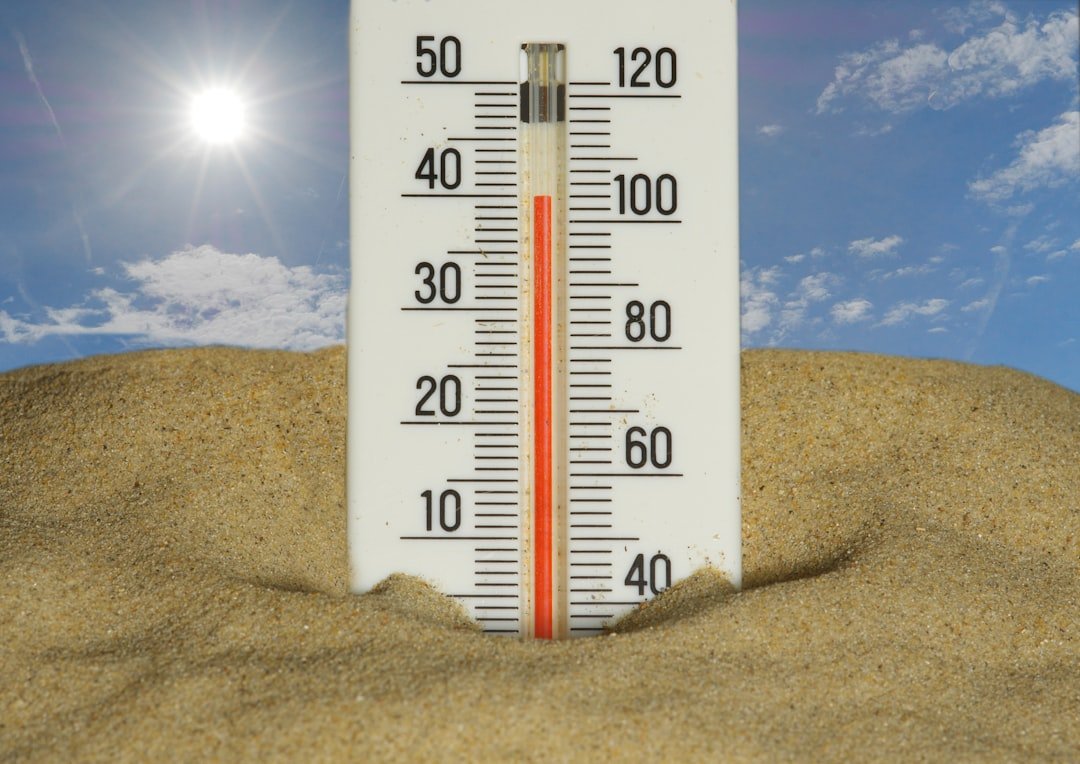
You can feel it in the air already, can’t you? That heavy, still feeling before a major heatwave rolls in. The news is buzzing about it—Los Angeles and the whole Southwest are bracing for a serious hot spell, with temperatures threatening to climb past a blistering 116°F.
Most of us react the same way. We check the AC, pull down the blinds, and mentally prepare for a few days of living like vampires, hiding from the sun. But as an insurance writer, I see these weather reports a little differently. I see them as a list of potential risks that go way beyond a nasty sunburn or a high electricity bill.
Honestly, it's these "creeping" disasters that often catch people off guard. We all have a plan for an earthquake or a major storm, but a heatwave? It seems so… mundane. Yet, extreme heat can stress-test our homes, our cars, and even our health in ways that can get expensive, fast. So while you're stocking up on ice pops, let's take a minute to talk about making sure your financial safety net is ready for the heat, too.
It’s More Than Just Uncomfortable
First, let's be clear about what we’re up against. When the mercury hits triple digits in places like Southern California and Arizona, it’s not just a day at the beach. It’s a serious strain on our infrastructure.
Think about it. The entire power grid groans under the weight of millions of air conditioners running full blast, 24/7. This can lead to brownouts or, worse, power surges that can fry your expensive electronics in an instant. The dry, hot air turns vegetation into tinder, dramatically increasing the risk of wildfires that can start from a single spark.
And that’s just the beginning. Our cars aren't built for this kind of punishment. Our homes' most critical systems are pushed to their breaking point. This isn't just about being uncomfortable; it's about real, tangible risks to the things we rely on every day.
Is Your Homeowners Insurance Built for the Heat?
This is where the rubber meets the road, or in this case, where the freon meets the compressor. Your home is your sanctuary during a heatwave, but it’s also ground zero for a lot of potential problems. Does your homeowners policy have your back?
The Great AC Breakdown Debate
Here’s the number one question I get: "If my air conditioner dies during a heatwave, is it covered?" The answer, frustratingly, is "it depends."
Most standard home insurance policies do not cover breakdowns from simple wear and tear. If your AC unit is 15 years old and just gives up the ghost, you're likely on your own for the repair or replacement costs. That’s considered a maintenance issue.
But, what if the AC unit was fried by a power surge when the grid went haywire? Now we're talking. A power surge is often a covered peril. In that case, your policy might help cover the cost to replace it. Some policies also offer an "equipment breakdown" endorsement, which is a fantastic little add-on that can provide coverage for exactly this kind of scenario. It’s absolutely worth checking to see if you have it.
When the Power Goes Out… and Your Fridge is Full
Imagine the power goes out for 12 hours. It’s not just the suffocating heat you have to worry about; it's the hundreds of dollars of food you just bought that's slowly turning into a science experiment in your fridge and freezer.
Many people don't realize that a standard homeowners policy can include coverage for food spoilage caused by a power outage. It's usually a smaller amount—maybe $500 or so—but that can make a huge difference when you have to restock your entire kitchen. Check your policy for this; it’s a small detail that provides big relief.
The Wildfire Elephant in the Room
We can’t talk about heat in California without talking about wildfires. Extreme heat and dry conditions are the perfect recipe for disaster. This is where your homeowners insurance is most critical.
Make sure you have enough dwelling coverage to completely rebuild your home if the worst happens. And I mean completely. With construction costs soaring, a policy that was adequate five years ago might leave you dangerously underinsured today. It’s a good idea to review this amount with your agent every single year.
Don't Let Your Car Overheat on the Freeway
Your home isn't the only thing at risk. Extreme heat is brutal on vehicles. Batteries die more easily, tires are more prone to blowouts, and engines can overheat, leaving you stranded on the scorching asphalt.
This is where one of the most underrated parts of your auto insurance policy becomes a lifesaver: roadside assistance.
Seriously, if you don't have it, add it now. It’s usually incredibly cheap—a few dollars a month—and can save you from a miserable and potentially dangerous situation. Getting a tow or a jumpstart when it’s 116°F outside isn't a luxury; it's a necessity.
And while you're at it, double-check your comprehensive coverage. This is what pays for damage to your car from things other than a collision. Think theft, vandalism, or... fire. If a heat-related issue causes an engine fire, comprehensive coverage is what will help you repair or replace your vehicle.
What About the Most Important Thing—You?
Finally, let's talk about you and your family. Heat exhaustion and heatstroke are serious medical emergencies. A trip to the emergency room for IV fluids or more intensive care can get costly without good health insurance. It seems obvious, but in the stress of the moment, it's good to know you're covered for the care you need.
Here’s one more thing most people never consider: liability. Imagine you have guests over and your AC is on the fritz, or someone suffers from heat exhaustion near your pool. Could you be held liable? It’s a scary thought, but the personal liability portion of your homeowners insurance is designed to protect you from lawsuits if someone is injured on your property.
So as you're getting ready for this wave of heat, take a few minutes to be a different kind of prepared. Pull out your policy documents or open up your insurance app. A quick check-in on your coverages now could be the smartest—and coolest—move you make all week. Stay safe, stay hydrated, and make sure you're well-covered.