Remember when media liability was mostly for newspapers, TV stations, and big-name publishers? It all felt pretty straightforward. A reporter writes a story, a network airs a show, and if someone gets their facts wrong and gets sued for libel, the insurance policy kicks in. Simple enough.
But let's be honest, that world feels like a lifetime ago. Today, everyone is a publisher. Your client with a massive TikTok following is a publisher. The small e-commerce brand using AI to write its blog posts is a publisher. The lines have blurred so much they’ve practically disappeared.
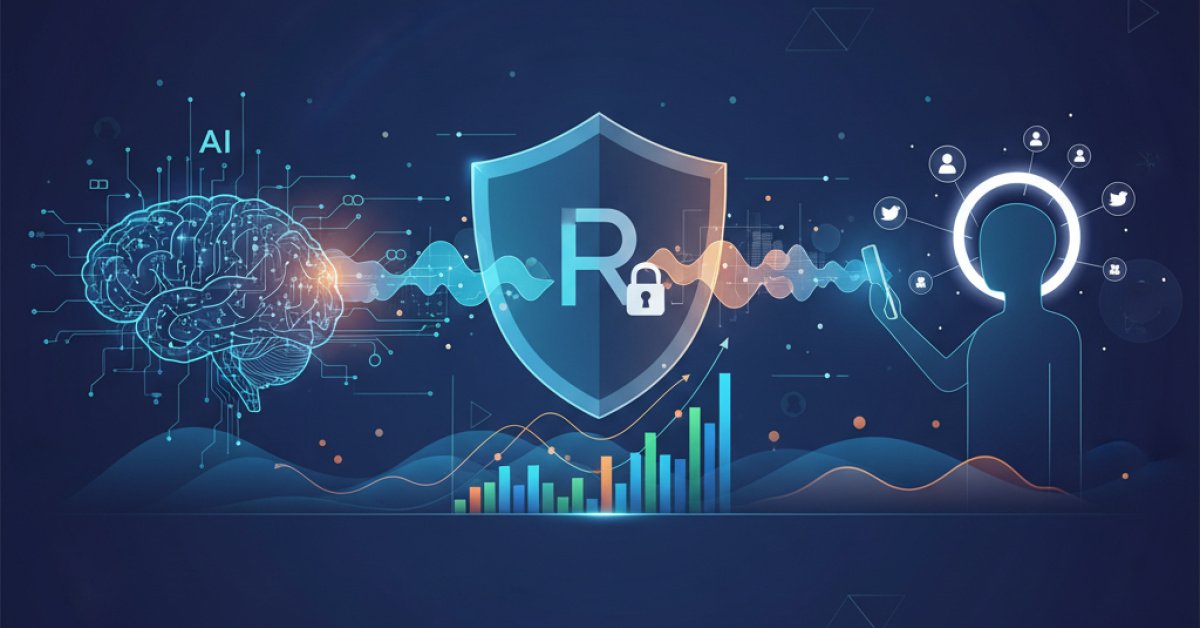
And for us in the insurance world, this is a whole new ballgame. The risks aren't just different; they're evolving at a dizzying speed. If you're not talking to your clients about influencers and artificial intelligence, you're not just falling behind—you might be leaving them dangerously exposed.
So, What's the Big Deal with Influencers?
Think about it this way: you’d never let a traditional magazine client publish content without a legal review, right? Of course not. But every day, influencers are hitting "post" on content that reaches millions of people with little to no oversight.
They’re often young, running their brand from their phone, and have absolutely no idea they’re walking through a legal minefield. They see themselves as creators, not media companies. And that’s precisely the problem.
Here’s a taste of what can go wrong:
- Defamation: An off-the-cuff negative review in an Instagram Story could easily be seen as libel, sparking a lawsuit from a disgruntled brand.
- Copyright Infringement: That catchy song in the background of their viral dance video? If they didn't license it properly, they could be on the hook for a massive copyright claim. It happens all the time.
- Misleading Ads: The Federal Trade Commission (FTC) has some pretty strict rules about disclosing paid partnerships. If an influencer isn't crystal clear about an ad (using #ad or #sponsored), both they and the brand they’re working with can face hefty fines.
The real challenge for us is that a standard General Liability policy won't touch these kinds of claims. GL is for "slip and fall" type incidents, not for intellectual property or media-related torts. These clients need a real Media Liability policy, but most of them don't even know it exists.
Now, Let's Talk About the AI Elephant in the Room
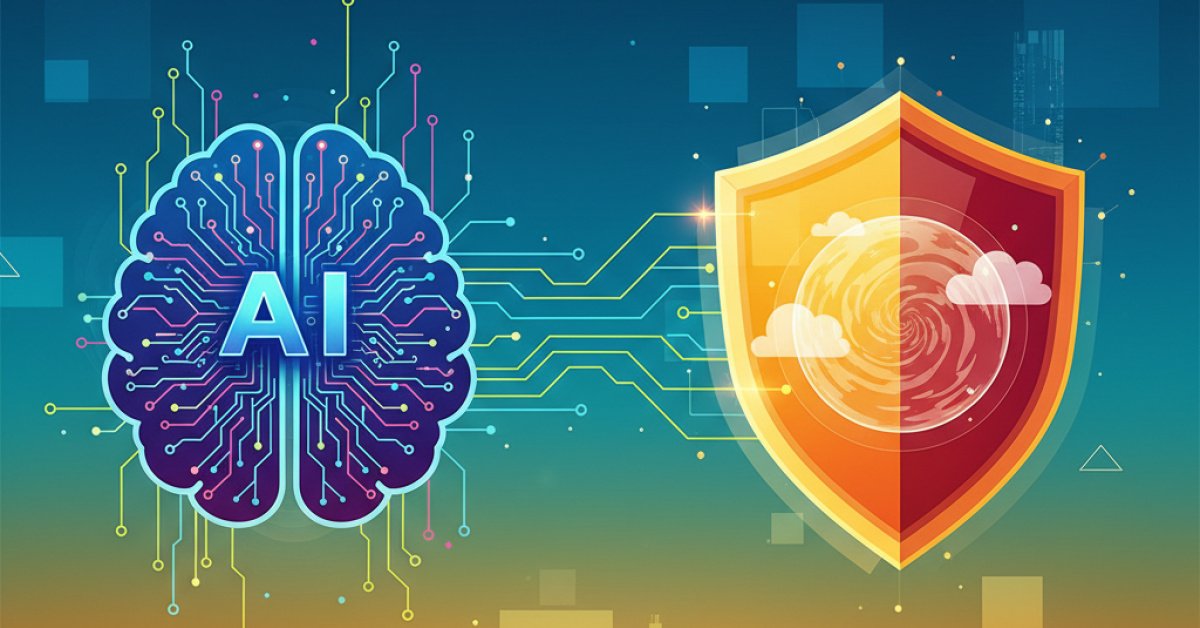
If influencers are the Wild West, then AI is like discovering a whole new, uncharted planet. It’s exciting, powerful, and absolutely terrifying from a liability perspective.
Businesses are rushing to use AI for everything—writing ad copy, generating images for marketing campaigns, creating video scripts. It saves time and money, so what’s not to love? Well, from our seat, there’s quite a bit to worry about.
The core issue is that we don’t always know how these AI models come up with their content. They're trained on vast amounts of data from the internet, and that data includes… well, everything. The good, the bad, and the copyrighted.
This creates some thorny new risks:
- Who Owns the Copyright? If your client uses an AI image generator to create a logo, who actually owns it? The law is still incredibly murky on this. What if the AI "borrowed" a little too heavily from a living artist's work? You're looking at a potential infringement claim.
- AI "Hallucinations": Sometimes, AI just makes things up. It's a known issue. Imagine an AI tool writing a blog post for your client that confidently states a competitor engages in unethical practices. If that statement is false and damaging, that’s a classic defamation suit waiting to happen. But who is at fault? Your client who published it? Or the tech company that built the AI? It’s a legal mess.
- Deepfakes and Misinformation: This is the really scary stuff. It’s becoming easier than ever to create realistic but completely fake videos or audio of real people. If a company’s marketing team, even accidentally, uses a deepfake in a way that harms someone's reputation, the legal fallout could be catastrophic.
The scariest part? Most standard media liability policies were written long before any of this was a reality. They might not have exclusions for AI-generated content yet, but they certainly weren't designed to cover it.
What Can We Actually Do About All This?
Okay, so it all sounds a bit doom and gloom. But this is actually a huge opportunity for us to step up and be the expert advisors our clients desperately need. They don't know what they don't know. It's our job to show them.
Here’s how we can start making a difference right now.
1. Start the Conversation (Even if it’s Awkward)
You have to be proactive. During your next client review, don't just ask about their revenue and payroll. Dig deeper.
Ask questions like:
- "Are you working with any social media influencers or content creators?"
- "What kind of AI tools are you using in your marketing or content creation?"
- "What's your review process before something gets published on your social media channels?"
Their answers will tell you everything you need to know about their potential new exposures.
2. Educate, Don't Just Sell
Your goal isn't just to sell another policy. It's to help your clients understand the world they're operating in. Explain the difference between General Liability and Media Liability. Use simple examples.
You could say something like, "Think of it this way: your GL policy protects you if a client slips and falls in your office. But it won't do a thing if a TikTok you post gets you sued for using a song without permission. For that, you need a different playbook, and that's Media Liability."
3. Read the Fine Print (Seriously)
It’s time to become best friends with policy language. When you're looking at Media Liability options, you need to know what they say about social media, user-generated content, and, increasingly, AI.
Work with carriers who are ahead of the curve—the ones who are already thinking about these issues and updating their forms. If a policy is silent on AI, that could be good for now, but it's a gray area that won't last forever. Look for carriers that explicitly understand and intend to cover these modern risks.
The media world isn't going to slow down. If anything, it's only going to get faster and more complicated. AI will get smarter, and the next generation of influencers will find new platforms we haven't even heard of yet.
This isn't a problem to be solved once; it's a constant conversation we need to be having. By staying curious, asking the right questions, and guiding our clients through this new territory, we can do more than just sell insurance. We can become indispensable partners in their success. And honestly, that's the best part of the job, isn't it?