Have you ever looked at an insurance policy and thought, "This feels like it was written a hundred years ago"? You’re not wrong. For a long time, the insurance industry has been the definition of "if it ain't broke, don't fix it." It's been slow, steady, and honestly, a little bit dusty.
But here’s the thing: under that traditional, paper-heavy surface, a massive transformation is happening. It’s like finding a brand-new, high-tech Tesla engine inside a vintage Ford. The outside might still look familiar, but the way it works is changing faster than ever.
Two of the biggest drivers of this change are a couple of acronyms you might be hearing more about: AI (Artificial Intelligence) and E&S (Excess and Surplus). They might sound complicated, but I promise, the ideas behind them are pretty straightforward. And they’re not just buzzwords; they're fundamentally reshaping how we manage risk. Let's break down what’s really going on.
So, What's Really Changing in the Insurance World?
At its heart, insurance is a business of information. Insurers take in mountains of data, try to predict the future, and put a price on uncertainty. For decades, that process was incredibly manual, relying on historical charts, human intuition, and a whole lot of paperwork.
Now, technology is giving us a whole new set of tools. We can process more information, spot patterns we never could have seen before, and react to new risks in near real-time.
It’s not just about making the old way faster. It’s about creating a whole new way of protecting people and businesses. And that brings us to the first major player in this story: artificial intelligence.
Let's Talk About the Elephant in the Room: AI
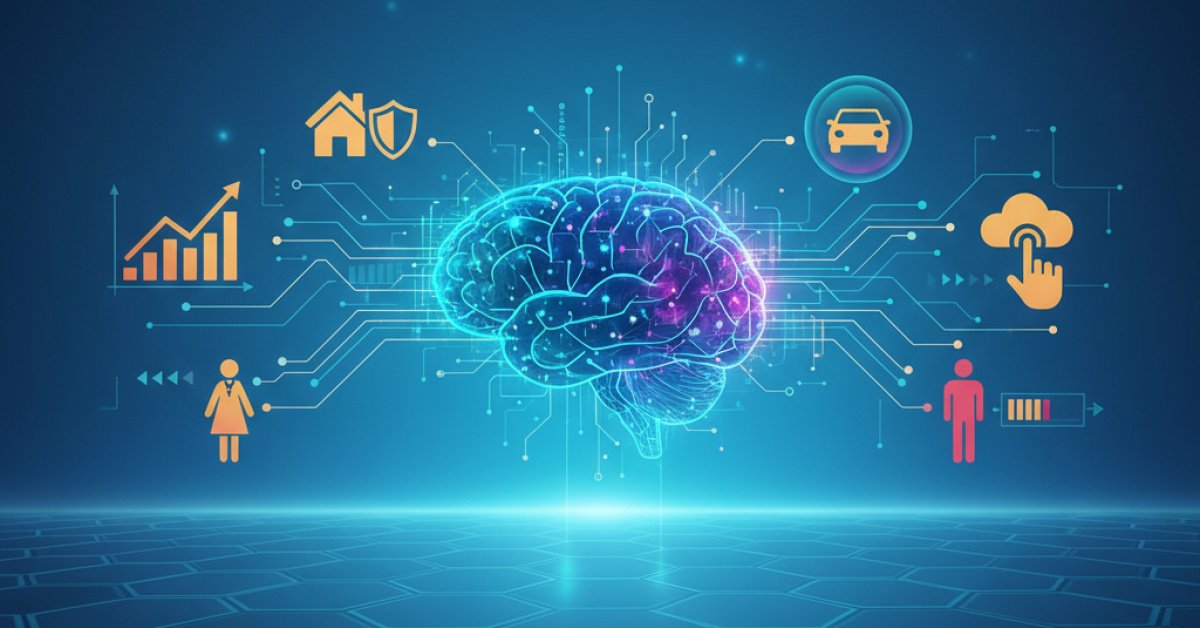
Okay, let's be real. When most people hear "AI," they either think of sci-fi movies or those frustrating chatbots that never understand your question. In insurance, though, AI is less about robots and more about being a super-powered assistant.
Think of it this way: imagine an underwriter trying to figure out the risk of insuring a new coastal property. In the old days, they’d look at historical flood maps and past claims in the area. Today, AI can analyze satellite imagery, real-time weather patterns, soil erosion data, and social media reports from a recent storm, all in a matter of seconds.
It’s not replacing the human expert; it’s giving them superpowers.
How is AI Actually Showing Up in Insurance?
You’re probably already interacting with AI in insurance and don't even know it. It’s quietly working behind the scenes in a few key areas:
- Underwriting: This is the big one. AI helps insurers price policies more accurately by analyzing way more data points than a human ever could. This means your rate is based less on broad categories (like your zip code) and more on your specific situation.
- Claims Processing: Ever had a minor fender-bender? In the near future, you might just take a few photos with your phone, upload them, and an AI will assess the damage and approve the repair payment almost instantly. No more waiting weeks for an adjuster.
- Fraud Detection: AI algorithms are brilliant at spotting weird patterns that might signal a fraudulent claim. They can flag inconsistencies across thousands of claims that a human would likely miss, saving everyone money in the long run.
It's Not Just About Speed; It's About Smarts
The real magic of AI isn't just that it's fast. It’s that it helps us understand risk in a much deeper way. It can identify "secondary perils"—things like wildfires or severe convective storms—that are becoming more frequent and destructive but were often overlooked in older models.
This allows insurers to get ahead of risks, not just react to them. For example, an AI might alert a homeowner that their roof shows signs of wear before the next big hailstorm hits, potentially preventing a massive claim. It's a shift from "we'll pay for it when it breaks" to "let's stop it from breaking in the first place."
The Other Big Shift: The Rise of E&S Insurance
Now, let's switch gears to our other acronym: E&S. This one might be less familiar, but it’s just as important.
E&S stands for Excess and Surplus lines. It sounds a bit technical, but the concept is simple.
What in the World is E&S? (A Simple Analogy)
Think of your standard insurance market—the place you go for your car or home insurance—as a big-box grocery store. It has all the common stuff you need, like milk, bread, and eggs. It’s reliable, regulated, and designed for the masses.
The E&S market is like the specialty gourmet shop down the street. They don’t sell plain white bread. They sell that rare, gluten-free, ancient-grain loaf you can't find anywhere else. They cater to unique, unusual, or high-risk needs that the big-box store won’t touch.
In insurance terms, E&S carriers cover the tricky stuff: a new tech startup with an unproven product, a concert tour for a rock band, or a coastal property in a hurricane-prone area that standard insurers are shying away from. They have more flexibility to design custom policies and set rates for these one-of-a-kind risks.
Why is This "Specialty Shop" Suddenly So Busy?
The E&S market is booming right now. Why? Because our world is getting riskier and more complex.
Think about it. We’re facing challenges that barely existed 20 years ago:
- Climate Change: More intense wildfires, floods, and storms are making certain areas incredibly difficult to insure through traditional channels.
- Cyberattacks: How do you price the risk of a massive data breach for a global company? It’s a new and constantly evolving threat.
- Social Inflation: Lawsuits are resulting in larger and larger jury awards (what the industry calls "nuclear verdicts"), making liability coverage much riskier for standard insurers.
When standard insurers get nervous and pull back, the E&S market steps in. It acts as a crucial safety valve for the economy, ensuring that even the most challenging risks can find coverage.
When Tech Meets Tough Risks: How AI and E&S Work Together
This is where things get really interesting. What happens when you combine the analytical power of AI with the complex, unique risks of the E&S market?
You get a much smarter way to handle uncertainty.
E&S has always been about expert human judgment. But even the best underwriters can’t see every angle. AI can give them those superpowers we talked about, helping them make sense of sparse data and model scenarios for risks no one has ever insured before.
For example, an E&S underwriter looking at insuring a new type of drone delivery service doesn't have 50 years of historical data to lean on. But AI can simulate thousands of potential flight paths, analyze weather risks, and model potential accident scenarios to help create a fair and accurate policy.
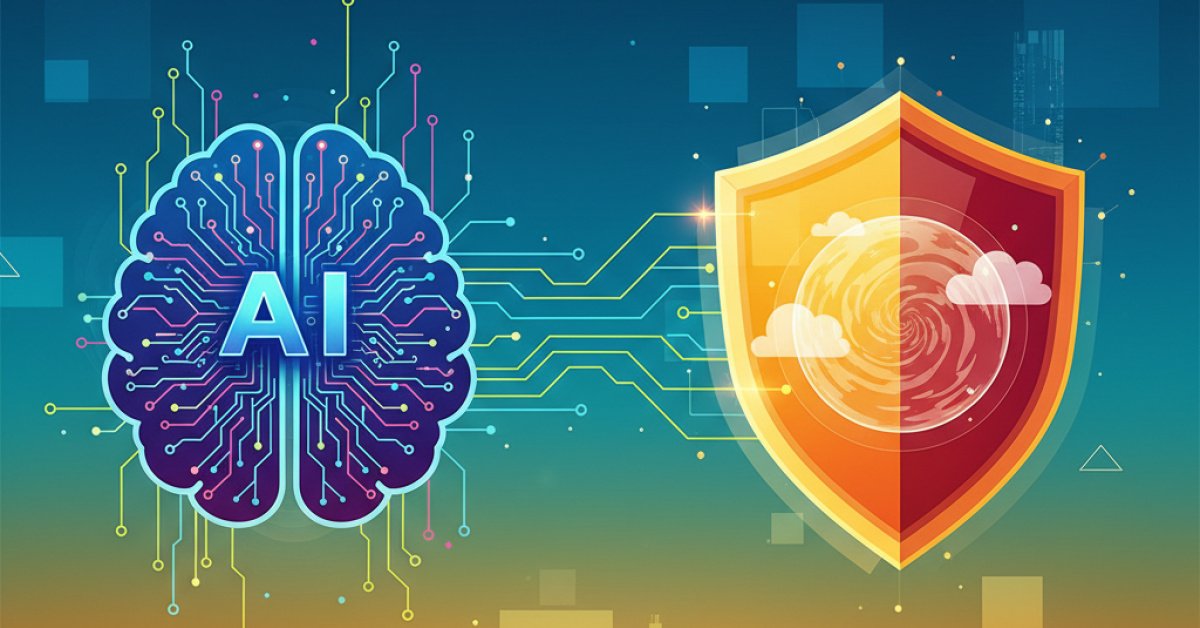
This partnership between human expertise and artificial intelligence is what will allow the insurance industry to keep up with our rapidly changing world.
What Does All This Mean for You?
So, why should you care about any of this? Because these changes will eventually affect the price, availability, and quality of the insurance that protects your family and your business.
The rise of AI means you can expect a faster, more personalized, and more transparent experience. Getting a quote might take minutes, not days. Filing a claim could be as simple as sending a text.
The growth of the E&S market means that even as new risks emerge, there will be a place to find protection. It’s a sign of a resilient industry that’s adapting instead of running away from challenges.
The road ahead won’t be perfectly smooth, of course. There are big questions about data privacy and algorithmic bias that we need to address. But the direction is clear. The dusty old world of insurance is waking up, and it's being powered by some incredible new technology. The policy in your hand might still look the same, but the intelligence and adaptability behind it are getting a much-needed, 21st-century upgrade.