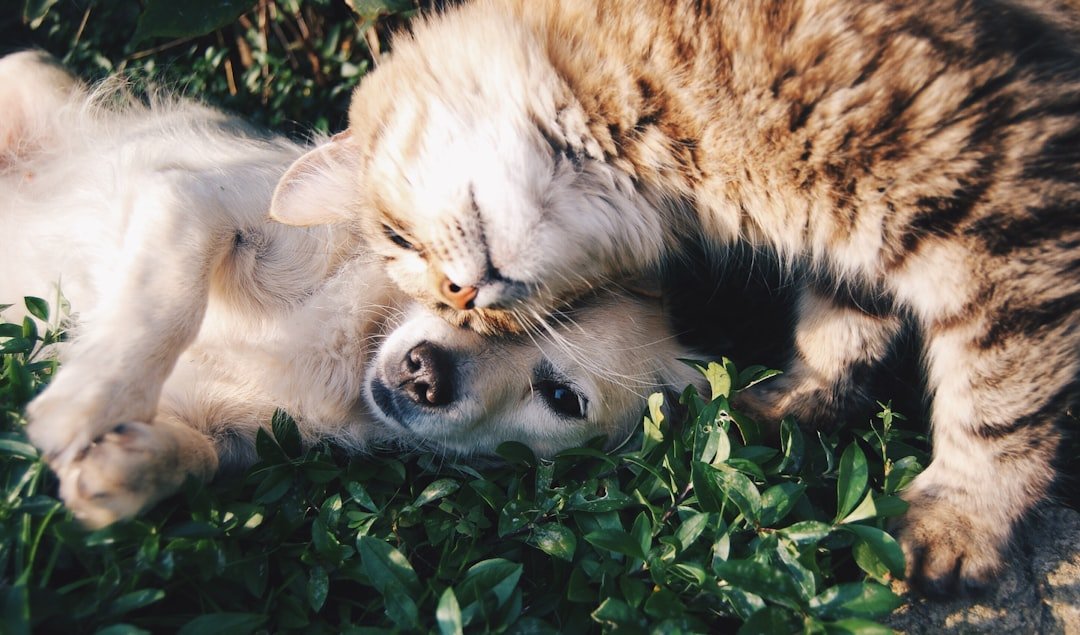
Let’s be honest for a second. When you think about your dog or cat, you don’t think of them as… property. They’re family. They’re the furry little weirdo who greets you at the door, steals your spot on the couch, and somehow knows exactly when you need a cuddle.
So, here’s a question that’s been bugging me: if we treat our pets like family, why do we insure them like cars?
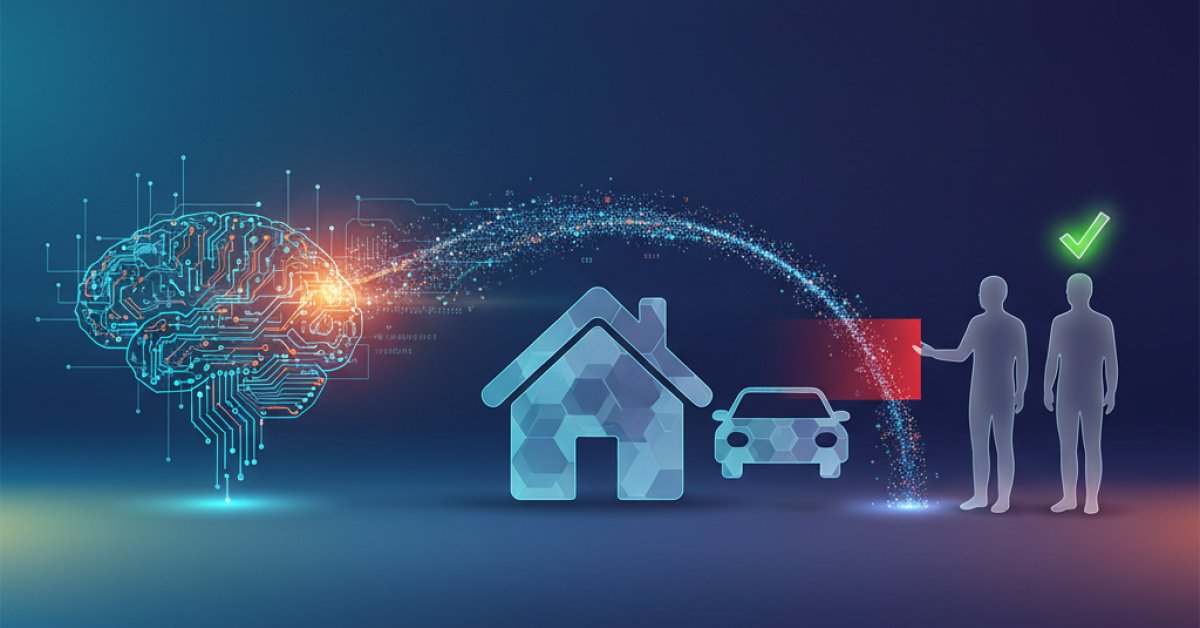
It sounds strange when you put it that way, right? But that’s exactly what’s happening. The vast majority of pet insurance today is built on a Property & Casualty (P&C) framework. That’s the same model used for your home or auto insurance. It’s designed for one-off, unpredictable events—a fender bender, a hailstorm, a burst pipe.
But that’s not how pet health works, is it? A sick pet isn't a dented bumper. It’s a complex, emotional, and often ongoing journey. And trying to cram that experience into a P&C box is causing a lot of frustration for everyone involved—pet parents, vets, and even the insurance companies themselves. It’s a model that’s creaking under the weight of modern expectations, and I believe it’s time for a fundamental change.
Why Treating Your Pet Like a Car Just Doesn't Work
Think about the last time you dealt with a car insurance claim. You got a quote, paid a bill, and moved on. It was purely transactional. There was no emotion, no long-term relationship, no discussion about your car’s “wellness journey.”
That’s the P&C world in a nutshell. It’s great for straightforward, infrequent events. But it starts to fall apart when you apply it to the living, breathing, and often complicated world of pet health.
Here’s the thing: pet parents today don’t just want a check in the mail after their dog eats something they shouldn’t have. They expect more. They want a partner in their pet’s health.
They’re looking for:
- Guidance: "Is this normal? Should I go to the vet or wait?"
- Support: Navigating a scary diagnosis is overwhelming.
- Value: They want help keeping their pet healthy, not just fixing them when they’re broken.
The P&C model simply isn’t built for this. It’s reactive, not proactive. It’s designed to process a claim and close the file. This creates a huge disconnect between what customers want and what the insurer can deliver, leading to unhappy customers and, surprisingly, making it harder for insurers to scale profitably.
The Big Disconnect: Rising Expectations vs. an Old Model
We’re in the middle of a massive shift in how we view our pets. The “humanization” of pets isn’t just a cute trend; it’s a powerful economic and social force. People are spending more than ever on high-quality food, advanced veterinary care, and yes, insurance.
With that higher spending comes higher expectations.
When a pet parent is facing a $5,000 vet bill for a serious illness, they don’t see it as a property claim. They see it as a healthcare crisis. They expect the same level of empathy, clarity, and support they’d want from their own health insurance provider.
But the P&C system often delivers a clunky, impersonal experience. The focus is on the policy wording, the deductible, and the reimbursement percentage. It can feel cold and transactional right when the customer is feeling most vulnerable. This is where the cracks really start to show. Insurers trying to scale up find themselves buried in administrative tasks and dealing with frustrated customers who feel like the company just doesn't get it.
So, What if We Treated Pet Insurance Like… Human Health Insurance?
This is where things get interesting. Instead of trying to force pet insurance into the P&C box, what if we looked to a different model for inspiration? What if we started running pet insurance like human health insurance?
Now, I know what you might be thinking. "Ugh, health insurance? The system is so complicated!" And you're not wrong. But stick with me here. We don't need to copy the entire messy system, but we can borrow its core principles.
A health insurance model is built around managing health and wellness over a lifetime, not just paying for isolated incidents. It’s a completely different mindset.
It’s a Shift from Transaction to Relationship
The biggest change is moving from a purely financial transaction to a supportive relationship. A health-based model would position the insurer as a partner in the pet's entire life journey.
Think about what this could look like in practice:
- Proactive Wellness: Instead of just paying for sickness, the insurer could offer benefits for preventative care—vaccines, dental cleanings, annual check-ups. This helps pets stay healthier and, in the long run, reduces the number of expensive claims.
- Managed Care Networks: Insurers could build preferred networks of veterinarians. This isn't about limiting choice, but about creating partnerships that can streamline billing (like direct payment to the vet), ensure quality of care, and even negotiate better rates, passing savings on to the customer.
- Expert Guidance: Imagine having access to a 24/7 vet telehealth line as part of your policy. You could get immediate advice on whether that weird cough is an emergency or something that can wait until morning. This provides immense peace of mind and can prevent costly, unnecessary ER visits.
Managing Health, Not Just Claims
The health insurance model excels at managing chronic conditions—think diabetes, arthritis, or kidney disease. A P&C model struggles with this because it sees each vet visit as a new, separate "claim."
A health-based approach would look at the pet holistically. It would understand that managing a diabetic cat involves regular insulin, special food, and frequent monitoring. The insurer can then build plans and support systems specifically designed for these long-term needs, making life easier for the pet parent and ensuring the pet gets consistent care.
This is a game-changer. It transforms the insurer from a simple bill-payer into an active participant in managing the pet's health, which builds incredible loyalty and trust.
The Path to a Better Future: It’s Good for Business, Too
You might think this all sounds expensive and complicated to implement. And yes, it requires a significant operational shift. But here’s the crucial part: it’s the only sustainable path to profitable growth.
The old P&C model is inefficient at scale. It relies on manual claims processing and struggles to build brand loyalty. Customers often switch providers for a slightly lower premium because they don't feel any real connection to the company.
A health-based model, on the other hand, creates a "stickier" customer. When you feel like your insurer is a true partner in your pet’s wellbeing, you’re far less likely to leave.
Furthermore, by focusing on preventative care and offering guidance, insurers can actually help lower the overall cost of claims. A well-managed wellness plan can prevent a minor issue from becoming a catastrophic one. That’s a win for the pet, a win for the owner’s wallet, and a win for the insurer’s bottom line.
It's about playing the long game. It’s an investment in technology, partnerships, and a customer-centric mindset that pays off in loyalty, retention, and ultimately, a healthier, more profitable business.
The future of pet insurance isn't about finding clever new ways to fit it into an old box. It's about building a whole new box—one designed from the ground up to support the deep, emotional bond we share with our animals. It’s time we give our pets, and their parents, the insurance model they truly deserve.