I had to read the headline twice. I’ve been writing about insurance for a long time, and you get used to connecting the dots between current events and coverage. Hurricanes, data breaches, supply chain snafus… that’s our bread and butter. But this one? This one was different.
"Greenland PM tells residents to prepare for an invasion."
My first thought was, "Is this a typo?" But it wasn't. And then, a follow-up report mentioned that even our neighbors in Canada are quietly modeling what they’d do if the US decided to invade them. It feels like something straight out of a Tom Clancy novel, not a Tuesday morning news alert.
But after the initial shock wore off, the insurance part of my brain kicked in. Because as wild and frankly unbelievable as this sounds, it's a perfect, if extreme, example of why we have insurance in the first place: to plan for the unthinkable. So let's talk about it. What does this bizarre geopolitical tremor in the Arctic Circle have to do with you and your policies? A lot more than you might think.
So, What Is Actually Happening Up North?
Let's quickly get on the same page, because the details are pretty stark. The Prime Minister of Greenland, Múte Bourup Egede, has publicly urged his 57,000 residents to be ready for a crisis or a potential invasion. He’s talking about stockpiling food and water, ensuring there are emergency shelters—the whole nine yards.
At the same time, reports have surfaced that the Canadian military has been running simulations. The scenario? What to do if their closest ally, the United States, were to invade to seize control of their northern territories.
Now, let's be clear. Nobody is saying this is happening tomorrow. But the fact that leaders and military planners are taking these possibilities seriously enough to plan for them is a massive signal. It’s a real-world lesson in what risk managers call "tail risk"—low-probability, high-impact events. The kind of thing you dismiss as impossible… until it isn’t.
It Sounds Crazy, But It’s a Masterclass in Risk Management
Think about it this way. You have a fire extinguisher in your kitchen, right? You don’t actively expect your house to burn down. The probability is incredibly low. But the potential impact is so catastrophic that spending a few bucks on an extinguisher is a no-brainer.
What Greenland and Canada are doing is the geopolitical equivalent of buying a fire extinguisher. They are looking at a remote but devastating possibility and taking prudent steps to prepare. And that, right there, is the very soul of insurance.
For businesses, this is a huge wake-up call. We often get so focused on the everyday risks—a slip-and-fall, a server crash, a delayed shipment—that we forget to look at the bigger picture. What’s your company’s “invasion” scenario? It’s probably not a literal military force, but it could be:
- A sudden, hostile government takeover of your overseas factory.
- A key supplier being instantly wiped out by a political event.
- A foreign government freezing your company's assets with no warning.
These are the kinds of risks that can sink a company overnight. And for these, your standard business policy just won't cut it.
Let's Talk About Political Risk Insurance
When events get this big and messy, we move into the world of specialized coverage. The main player here is Political Risk Insurance (PRI).
This isn't something your local agent typically sells alongside auto and home policies. It's a highly specialized product for businesses with international operations, assets, or investments. It’s designed specifically to protect against losses caused by unpredictable government actions.
What does it actually cover?
PRI is designed to step in when political events wreck your business. The coverage can be tailored, but it generally focuses on a few key areas. Imagine your company has a critical facility in a country that suddenly becomes unstable. PRI could help with:
- Expropriation or Confiscation: This is when a foreign government just takes your stuff. They might seize your factory, nationalize your assets, or freeze your bank accounts. PRI can compensate you for the value of what you lost.
- Political Violence (including war and civil unrest): This is the most direct link to the Greenland news. If your assets are damaged or destroyed due to war, revolution, or terrorism, this coverage kicks in. It can cover the cost to repair or rebuild your property.
- Currency Inconvertibility: This is a sneaky one. Let's say your overseas operation is making plenty of money in the local currency. But then the government blocks you from converting it back to dollars and sending it home. You have profits, but they're trapped. PRI can cover those trapped funds.
- Contract Frustration: This applies when a government action prevents a contract from being fulfilled. For example, if a government suddenly cancels a license or imposes an embargo that makes it impossible for you to deliver on a major project.
Seeing it laid out like this, you can understand why a company with a mining operation in Greenland or a logistics hub in Canada might be making a few phone calls to their broker right now.
Will My Standard Business Policy Cover an Invasion?
This is a question I get a lot when major conflicts are in the news, and the answer is almost always a hard no.
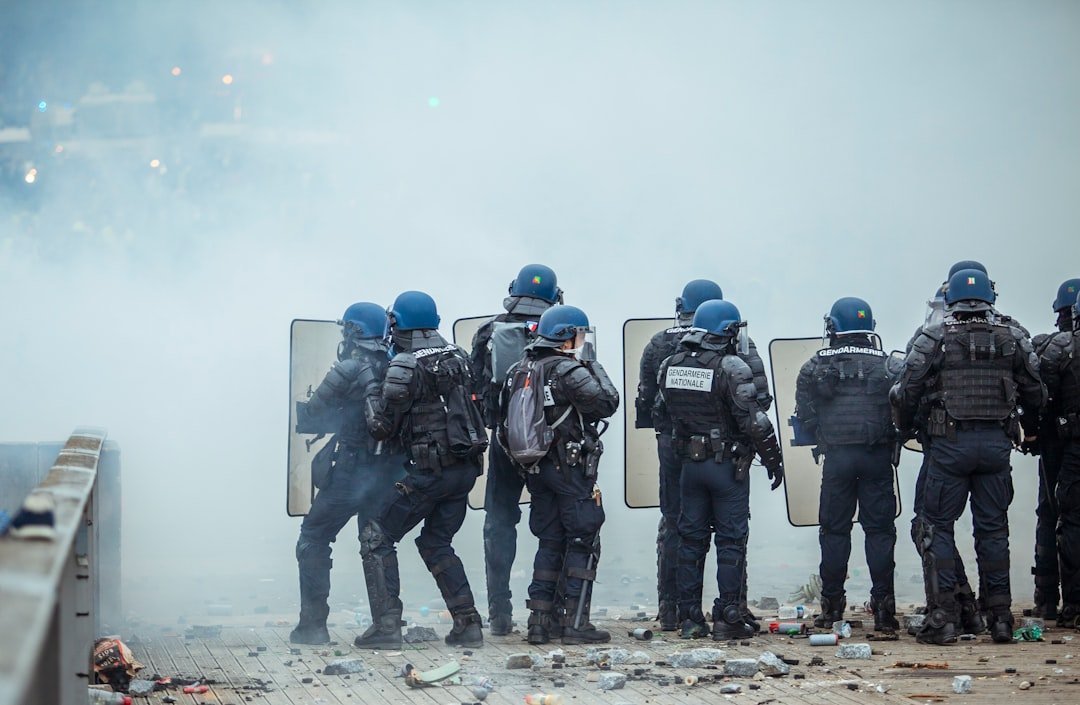
Pull out your standard Commercial Property policy or Business Owner's Policy (BOP). I can almost guarantee you'll find an exclusion for "war and military action." This clause typically excludes damage from:
- Declared or undeclared war
- Warlike action by a military force
- Insurrection, rebellion, or revolution
This exclusion has been a standard part of insurance policies for a very, very long time. The reasoning is simple: the scale of loss from a full-blown war is so immense that it would bankrupt the entire insurance industry. It’s considered an uninsurable, systemic risk.
So, if you’re relying on your standard policy to protect you from this kind of event, you’re unfortunately out of luck.
The Real Takeaway for You and Your Business
Okay, most of us don't have business interests in the Arctic Circle. So, why should we care about this? Because it’s a powerful reminder to stress-test our own preparedness.
This news forces us to ask some tough questions.
1. Do you actually know what's in your policies? Don't wait for a crisis to discover a critical exclusion. Take the time now to read your policies or, better yet, have a long conversation with your insurance advisor. Ask them directly: "What are the biggest, weirdest things I'm not covered for?"
2. How resilient is your supply chain? Your business might be in Ohio, but if your key component comes from a country that’s experiencing political turmoil, you are directly exposed to that risk. The world is more interconnected than ever. A conflict on the other side of the planet can shut down your assembly line in a matter of days.
3. Are you thinking broadly enough about risk? Maybe political risk isn't your main concern. But what is your "black swan" event? A sudden regulatory change that makes your product illegal? A new technology that makes you obsolete overnight? The lesson from Greenland isn't about a specific threat; it's about the discipline of thinking about the unimaginable.
Ultimately, this story from the far north is a bit of a splash of cold water. It reminds us that the world can be a volatile and unpredictable place. And while we can’t control geopolitics, we can control how prepared we are.
Insurance is a tool for managing that uncertainty. It’s about building a financial fortress that can withstand the shocks you expect, and maybe even a few you never thought were possible. So take this strange story as a cue to review your own fortress. Check the walls, look for cracks, and make sure you’re as ready as you can be for whatever comes next.