Remember fire drills? Or the "duck and cover" drills for earthquakes if you grew up on the West Coast like I did? We’d line up, file outside, and wait for the all-clear. It was all about teaching us a simple, repeatable safety plan for a potential risk. It was just a normal part of school.
Well, for students in a handful of states, the school safety curriculum is getting a very modern update. This year, kids in elementary, middle, and high school are learning something new: exactly what to do if they come across a gun.
It’s a topic that can feel heavy, I know. But from a safety and risk perspective, it’s a fascinating and, I believe, a necessary evolution. Let’s talk about what’s happening and why it matters.
So, What's Actually Changing in the Classroom?
A few states are really leading the charge on this. So far, Arkansas, Tennessee, and Utah have passed laws that make some form of firearm safety instruction a requirement in their public schools.
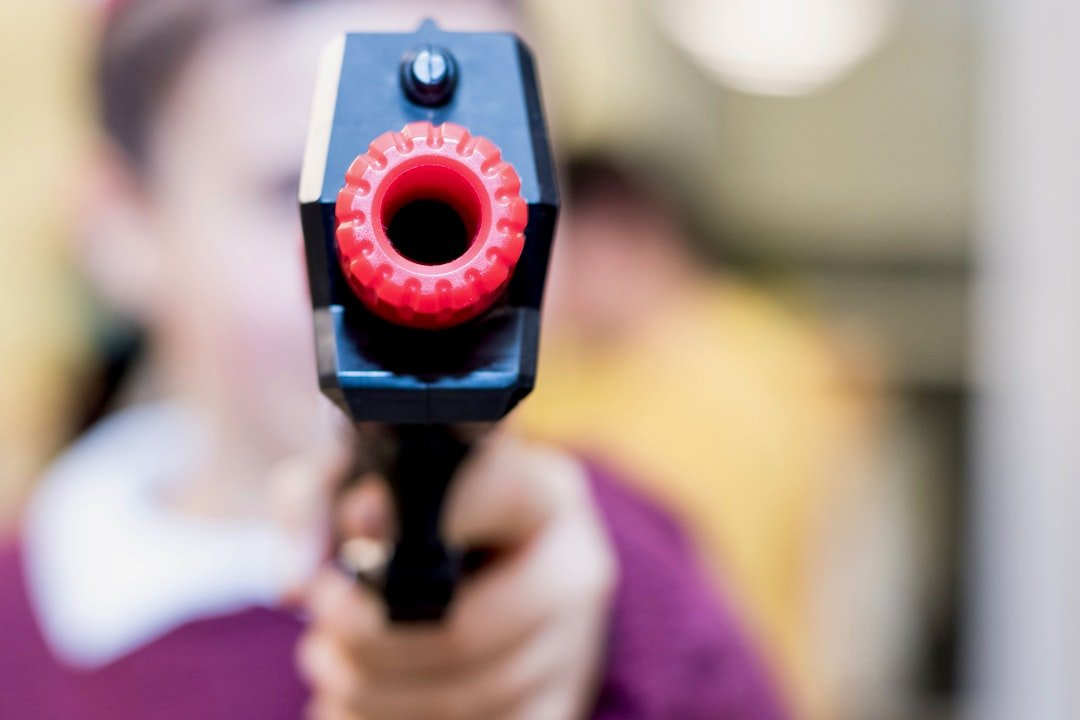
Now, this isn't about teaching kids how to shoot or turning classrooms into firing ranges. Let's be crystal clear on that. The core of these lessons is incredibly simple and focused on a single, critical scenario: a child finding an unsecured firearm.
The training is built around a basic, memorable mantra, kind of like "stop, drop, and roll." For gun safety, it’s usually:
- Stop! Don't touch it.
- Get away. Leave the area immediately.
- Tell a grown-up. Find a parent, a teacher, or another trusted adult right away.
That’s it. It’s not political; it’s practical. It’s about giving kids a clear, instinctual plan to follow if they ever find themselves in a potentially dangerous situation. Think of it just like teaching a child not to touch a hot stove or to look both ways before crossing the street. It's fundamental safety education for the world we live in today.
Why This Is a Big Deal for Schools and Parents
From an insurance and risk management standpoint, this is a huge step forward. Schools are responsible for the safety of their students, and that means taking "reasonable care" to prevent foreseeable harm. In our world, proactive education is one of the most powerful tools a school has to demonstrate it's doing just that.
When a school can show it has a documented, consistent safety training program in place, it fundamentally changes the conversation around liability. It shows they aren't just reacting to tragedies but are actively working to prevent them. It’s the difference between having a fire extinguisher on the wall and actually training everyone how to use it.
For parents, this provides a new layer of protection. We can talk to our kids about safety at home, but having those lessons reinforced in a structured school environment is incredibly powerful. It normalizes the conversation and gives kids the confidence to speak up if they see something dangerous, whether it’s at a friend’s house, at a park, or anywhere else in the community.
Tailoring the Message for Different Ages
Of course, you can't teach a 6-year-old the same way you teach a 16-year-old. And these programs are designed to be age-appropriate.
-
For elementary schoolers, it’s all about simple, bright-line rules. The "Stop! Get away! Tell a grown-up!" message is perfect. It’s delivered through cartoons, stories, and simple repetition. The goal is to create an automatic, non-negotiable response.
-
For middle and high schoolers, the conversation can get a bit more nuanced. While the core message remains the same, the curriculum might also touch on the consequences of handling a firearm, the importance of safe storage, and peer pressure. It addresses their growing independence and the more complex social situations they might face.
The idea is to build on the foundation year after year, so the safety message becomes deeply ingrained.
A New Piece of the Safety Puzzle
For decades, we’ve accepted that schools should teach kids about fire safety, stranger danger, and even online safety. This feels like the next logical, if difficult, piece of that puzzle.
The reality is that these laws in Arkansas, Tennessee, and Utah are a response to a real-world risk. By equipping children with knowledge, we’re giving them a tool that could one day prevent a terrible accident. It’s not about fear; it’s about empowerment.
It will be interesting to see if more states follow their lead. I suspect they will. As we continue to look for ways to make our communities safer, focusing on proactive, simple, and direct education is always one of the smartest investments we can make. It’s a small change to the school day that could make all the difference in the world.