It feels like we go through this every few months, doesn't it? You turn on the news, and there’s a frantic, last-minute scramble in Washington to prevent a government shutdown. For most of us, it feels like distant political noise. We might worry about national parks closing or airport delays, but the connection to our own financial lives can feel a bit fuzzy.
But here’s something that often gets lost in the shuffle: these shutdown showdowns have a massive, direct impact on the insurance world. And when the insurance world gets rattled, it’s only a matter of time before we all feel the tremors.
So when we hear that a deal has been reached and a shutdown has been averted, it’s more than just a political headline. For insurers and policyholders, it’s a collective sigh of relief. But it’s not a simple "happily ever after" story. Let's talk about what this really means for the policies in your pocket, starting with one of the most vulnerable.
First Up: Why Flood Insurance Was Holding Its Breath
If you live anywhere near a flood zone, this is a big one. The National Flood Insurance Program, or NFIP, is the backbone of flood coverage for millions of American homeowners. Here’s the catch: it’s run by the government, and it has to be reauthorized by Congress periodically.
Think of it like a subscription service that Congress has to keep renewing. When a government funding bill gets stuck, the NFIP’s authorization often gets stuck with it.
And if it lapses? Chaos.
Honestly, it’s a nightmare scenario. Real estate closings grind to a halt because you can’t get a mortgage in a high-risk flood zone without proof of flood insurance. Homeowners trying to renew their policies are left in limbo, completely exposed if a storm hits. It’s like the main water valve for an entire city being shut off without warning.
So, a deal that keeps the government open almost always includes a provision to keep the NFIP running. That’s the huge sigh of relief. It means real estate agents can close deals, lenders can lend, and most importantly, homeowners can stay protected. But the problem is that these are often short-term extensions. We’re just kicking the can down the road, waiting for the next deadline to create the same panic all over again.
What About Health Insurance? Averting a Major Headache
Okay, let’s switch gears to health insurance. This is another area where the federal government’s fingerprints are all over the place, even if you have private insurance through your job.
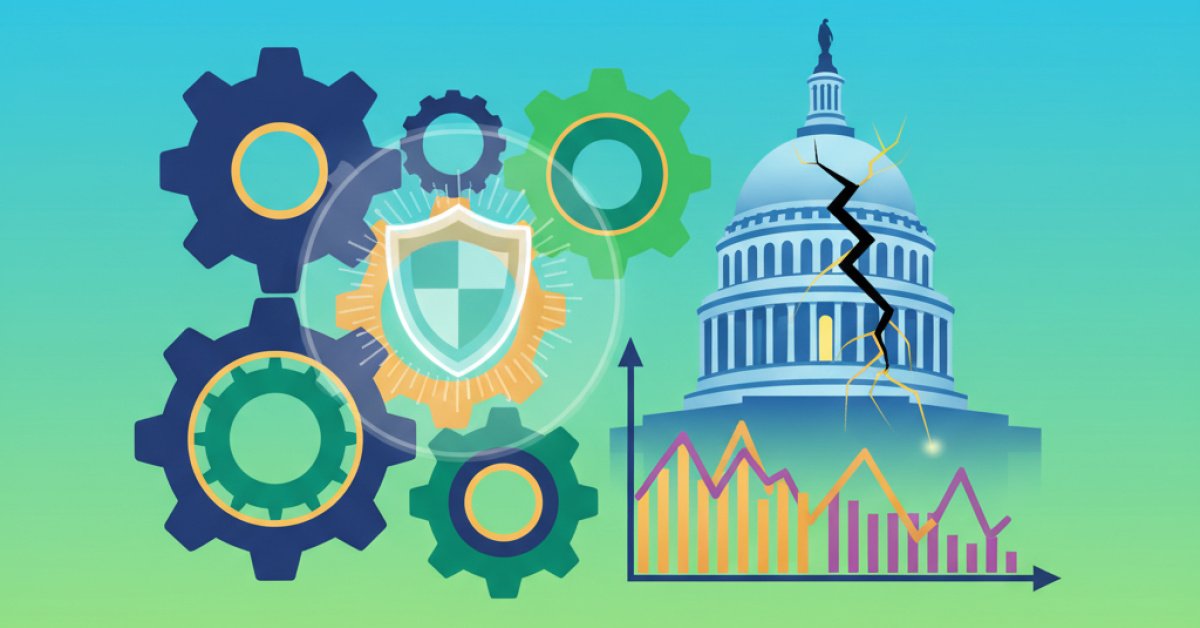
A shutdown can throw a giant wrench into the gears of the entire healthcare system. Here are just a few of the things we get to avoid thanks to a deal:
- Delayed Payments: The government is a massive payer in healthcare through programs like Medicare and Medicaid. A shutdown could delay payments to doctors, hospitals, and other providers. That creates a cash-flow crisis for them, which is a stress nobody needs.
- Marketplace Mayhem: Remember the Affordable Care Act (ACA) marketplaces? The federal government runs a lot of the back-end technology and provides support. A shutdown could disrupt operations, making it harder for people to enroll, get subsidies, or manage their coverage.
- Regulatory Gridlock: The agencies that approve new drugs, oversee insurance company standards, and handle public health initiatives would be running on a skeleton crew. Progress just stops.
So, a funding deal keeps this essential machinery running smoothly. It ensures that the complex, interconnected system of payments, regulations, and support stays online. It’s less of a dramatic, single point of failure like the NFIP and more like preventing a thousand small cuts that could cause the system to bleed out.
It's Not Just Policies: How a Shutdown Shakes Up Insurers' Finances
This part is a little less direct, but it’s incredibly important. Insurance companies don’t just take our premium checks and stick them in a shoebox. They invest that money to make sure they have enough cash on hand to pay out future claims—sometimes claims that won’t happen for 30 or 40 years.
Think of an insurer's investment portfolio like your own 401(k). You want stability and steady growth.
Government shutdowns are the opposite of stability. They create massive uncertainty in the financial markets. Will the U.S. default on its debt? Will the economy slow down? This kind of political brinkmanship makes investors nervous, and when they get nervous, the market gets volatile.
For an insurer, that volatility is a huge risk. A shaky market can hurt their investment returns, which in turn affects their financial strength. And an insurer’s financial strength is the ultimate promise that they’ll be there to pay your claim when you need them most.
A deal to avoid a shutdown is like a dose of calming medicine for the markets. It signals a return to predictability, and markets love predictability. This stability allows insurers to manage their investments more effectively, which is good for their health and, ultimately, for all of us as policyholders.
So, We're All Good, Right? Well, Not Exactly.
This is where the "new risks" part of the story comes in. While a deal is far better than a shutdown, the way these deals get made is a problem in itself.
Most of the recent agreements have been short-term funding patches, not long-term solutions. We avoid a crisis for a few weeks or a few months, and then we’re right back on the same cliff edge.
This constant cycle of uncertainty is exhausting. For the insurance industry, it makes long-term planning incredibly difficult. How can you plan for the future of the NFIP when its existence is only guaranteed for the next 45 days? How can you make long-term investment decisions when the market is constantly being rattled by political drama?
Frankly, it’s a frustrating way to manage systems that are so critical to our country’s financial and physical well-being. The relief we feel from a last-minute deal is real, but so is the anxiety that comes from knowing we’ll be doing this all over again soon.
So while we can definitely breathe a little easier today, it’s clear that these temporary fixes aren't a permanent solution. The insurance world will be keeping a very close eye on Washington, because when the government sneezes, it’s the an industry built on stability that often catches the worst cold.