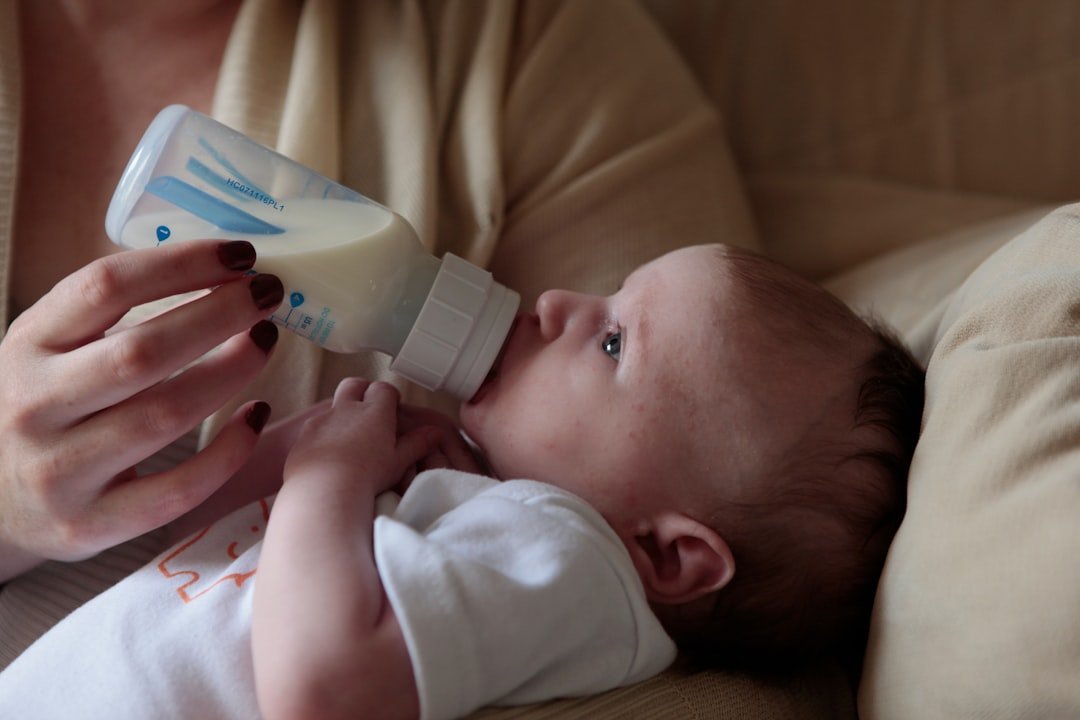
Do you remember the baby formula crisis? It wasn’t that long ago. The panic, the empty shelves, the frantic searching online—for parents, it was a legitimate nightmare. It’s one of those things you just don’t expect to happen.
Behind all that personal anxiety was a corporate crisis of epic proportions unfolding at Abbott Laboratories. Their plant in Sturgis, Michigan, was at the center of the storm, linked to bacterial contamination and, tragically, infant illnesses and deaths. It was a mess, plain and simple.
Now, we’re getting a peek into the aftermath. The Wall Street Journal just reported that the Department of Justice has closed its criminal investigation into Abbott. But before anyone breathes a sigh of relief, know this: that single word, "criminal," is the hinge on which a billion-dollar door swings. The DOJ is still coming after them with civil penalties.
And for those of us in the insurance world, that distinction is everything. It’s the difference between a problem and a catastrophe, and it tells a fascinating story about who ends up paying the bill.
The Fine Line Between Criminal and Civil: Why It’s a Billion-Dollar Question
Okay, let’s break this down, because it can sound like legal jargon, but I promise it's pretty straightforward.
When the government investigates a company for wrongdoing, they can generally go down two paths: criminal or civil.
Think of it like this:
- A criminal case is like the government accusing you of intentionally breaking a major law. They’re looking for proof of deliberate wrongdoing, fraud, or a conscious disregard for safety. The penalties are severe—massive fines, and yes, even jail time for executives.
- A civil case is more like being sued for causing harm through negligence. You didn’t necessarily mean for it to happen, but you messed up, you were careless, and your actions (or lack thereof) led to damages. The penalty is almost always financial—you have to pay to make things right.
For a company like Abbott, and more importantly, for their insurers, this is the whole ballgame.
Why? Because almost every corporate insurance policy on the planet has something called a "conduct exclusion." In plain English, it means the policy will not pay out for losses caused by deliberate criminal acts or fraud. Insurers are in the business of covering accidents and mistakes, not intentional law-breaking.
So, if the DOJ had successfully pursued and won a criminal case, Abbott’s insurers could have potentially walked away, saying, "Sorry, you broke the law on purpose. We're not covering this." The company and its leaders might have been on their own.
But with the probe now focused on civil penalties, the door for insurance claims swings wide open. A civil case suggests negligence, not criminality. And negligence is exactly what insurance is designed to cover.
Unpacking the Insurance Policies on the Hook
When a crisis this big hits, it’s not just one insurance policy that gets a call. It’s a whole stack of them. Imagine a massive tidal wave hitting a coastal town—it’s not just one house that gets flooded. The Abbott situation triggers several key types of corporate coverage, and the shift from criminal to civil impacts every single one.
Directors & Officers (D&O) Insurance
This is the big one. D&O insurance is designed to protect the personal assets of the company’s executives and board members. If they get sued for decisions they made while running the company, this policy pays for their legal defense and any settlements.
Had this been a criminal case, the individual executives could have faced charges that their D&O policies would refuse to cover. But now, with the focus on civil liability, their D&O insurance is almost certainly on the hook to defend them against a flood of lawsuits from shareholders and others who claim mismanagement. For these execs, the DOJ’s decision isn't just a headline; it's a personal financial shield.
Product Recall & Contamination Insurance
You can’t just snap your fingers and pull millions of cans of formula off every shelf in America. The logistics are mind-bogglingly complex and expensive.
This is where Product Recall insurance comes in. This specialized policy helps pay for the direct costs of a recall, which can include:
- Hiring fleets of trucks to collect the product.
- Notifying the public through ad campaigns.
- Storing and destroying the contaminated formula.
- The cost of lost product that has to be thrown away.
- Hiring a crisis PR firm to manage the reputational fallout.
These costs alone can run into the hundreds of millions of dollars. Without this coverage, a recall of this magnitude could cripple a company.
General Liability Insurance
This is the most heartbreaking part of the equation. General Liability (GL) policies cover "bodily injury and property damage." In this case, the families of the infants who became ill or tragically died will be filing claims.
These are deeply emotional, complex, and incredibly expensive claims. The settlements and court-ordered damages can be astronomical, as you’re trying to put a dollar figure on a human life or a lifetime of health complications. The company’s General Liability policy is the primary line of defense here, and the potential payout is enormous.
So, What Does This Mean for the Rest of Us?
It’s easy to look at a story about a multi-billion dollar corporation and think it has nothing to do with you. But there are some really important lessons here for any business owner, big or small.
First, this whole saga is a masterclass in risk management—or the failure of it. It shows how a single point of failure in one factory can spiral into a global crisis that damages a brand, costs billions, and puts lives at risk. It's a stark reminder that you need to understand where your biggest risks are hiding.
Second, it highlights just how critical it is to have the right insurance. Abbott will likely survive this financially because they have a sophisticated, multi-layered insurance program. A smaller company hit with a proportional crisis might not be so lucky. It’s not just about having insurance; it’s about having coverage that matches your specific risks.
And finally, it underscores the importance of that fine print. That little clause about "conduct exclusions" might seem like boring legal text until it becomes the most important sentence in your company’s history. Understanding what your policies don't cover is just as important as knowing what they do.
The Abbott baby formula story is far from over. The civil suits and regulatory fines will play out in the courts and boardrooms for years to come. But the DOJ’s decision to close the criminal probe has set the stage. It’s no longer a question of if the insurers will have to pay, but simply a matter of how much. It’s a powerful, if painful, example of how insurance works in the real world—quietly operating behind the headlines to manage the financial fallout of our biggest mistakes.