Have you ever seen one of those David vs. Goliath stories that just makes you stop and pay attention? Well, one is unfolding right now, and it has massive implications for those of us in the insurance world, even if it feels a world away.
A group of Ugandan farmers is taking on a multi-billion-dollar giant. They’re filing a lawsuit in the UK High Court against the massive $5.6 billion East African Crude Oil Pipeline. This isn't just a small-time dispute. We're talking about a legal challenge that could slam the brakes on a project that’s been years in the making.
Now, you might be thinking, "Okay, a lawsuit in Uganda... why should I care?" But here’s the thing: whenever a mega-project like this hits a major snag, you can bet there are some very nervous underwriters and brokers watching from the sidelines. This is more than just a headline; it's a real-world stress test for some of the most complex insurance policies on the market.
Let’s break down what’s going on and why it’s a huge deal for our industry.
So, What’s the Story Here?
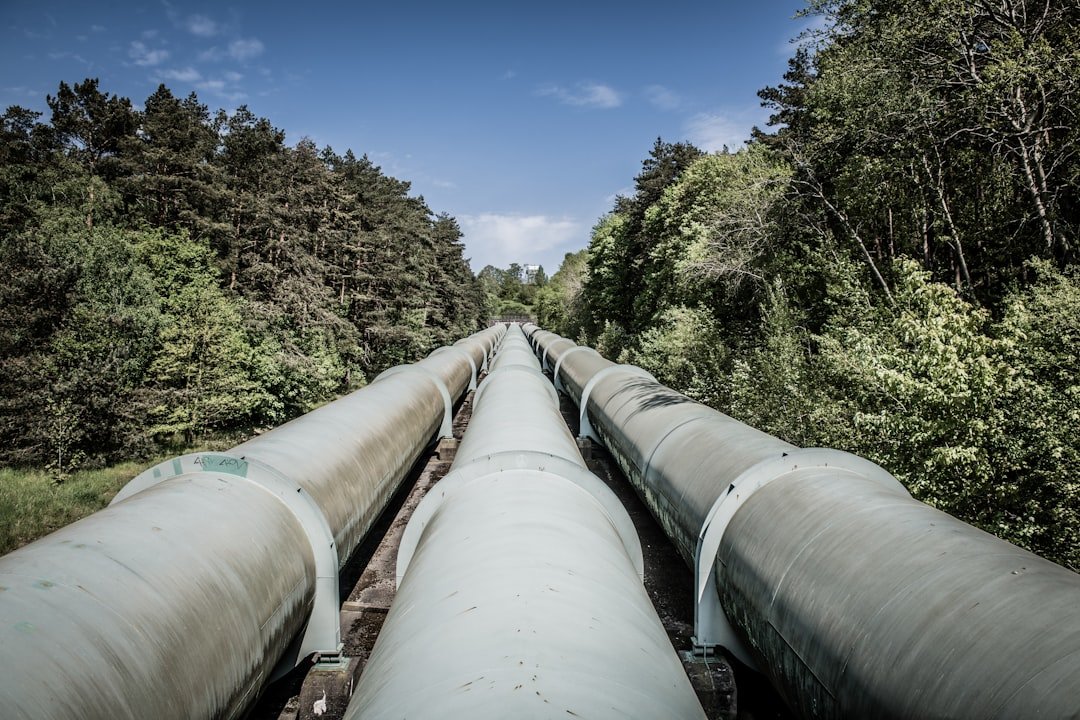
At the heart of this is a colossal piece of infrastructure. The plan is to build a 1,450-kilometer pipeline to transport crude oil from Uganda to a port in Tanzania for export. It’s a project that’s supposed to be a game-changer for the East African nation’s economy.
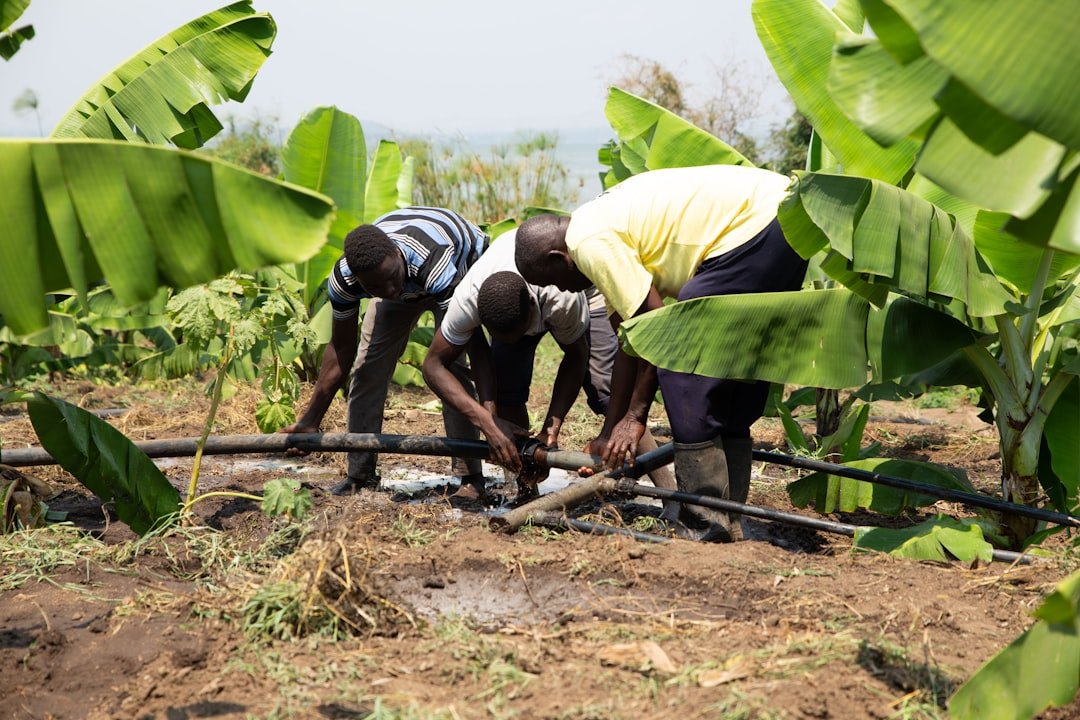
But a group of local farmers says the project is trampling on their rights. Their petition, filed in the UK, raises serious concerns. And by taking the fight to a British court, they’ve internationalized the dispute, putting it under a much bigger, brighter, and frankly, more expensive spotlight.
The immediate effect? Delays. Potentially very long and very costly delays. The first oil exports were expected to start flowing this year. Now, with a high-profile court case looming, that timeline is suddenly looking very optimistic.
Why a Delay is an Insurer's Nightmare
Think of it like this. Imagine you’re a contractor building a skyscraper. You have everything lined up: materials, workers, cranes. Then, suddenly, a legal injunction stops all work. Every single day work is stopped, you’re bleeding money. You still have to pay for equipment rentals, salaries, and security, but there’s zero progress.
Now, scale that up to a $5.6 billion pipeline.
This is where a specific type of coverage, known as Delay in Start-Up (DSU) insurance, comes into play. It’s designed to protect project owners from the financial fallout when a project is delayed due to an insured event. A lawsuit like this could absolutely be a trigger.
If this case drags on and the project is put on hold, the financial losses could be astronomical. We're talking about lost revenue, mounting interest on loans, and ongoing contractual costs. The DSU claim could easily run into the hundreds of millions, if not more. For the syndicate of insurers and reinsurers backing this project, a single delay can turn a profitable venture into a catastrophic loss.
The ESG Elephant in the Room
But the risk here goes way beyond a simple DSU claim. This lawsuit is a perfect, flashing-red example of ESG—Environmental, Social, and Governance—risks coming home to roost.
For years, ESG was a bit of a buzzword, something companies put in their annual reports. Not anymore. Today, it’s a core part of underwriting, especially for massive energy and infrastructure projects.
Let’s look at the "S" for Social. The lawsuit is being brought by local farmers who feel they are being harmed by the project. This isn't just a legal problem; it's a massive reputational one.
Insurers are under incredible pressure from their own investors, regulators, and the public to not be associated with projects that have a negative social or environmental impact. When a project is accused of harming local communities, every insurer involved gets dragged into the spotlight. No one wants to be the company on the news for insuring a project that’s "kicking farmers off their land." The reputational damage can be far more costly and long-lasting than any single claim.
This case forces underwriters to ask some really tough questions:
- Did we properly assess the social risks before writing this policy?
- What is our exposure if this project becomes globally toxic from a PR perspective?
- Could this activism spread and inspire similar challenges on other projects we insure?
This is where Political Risk Insurance also gets interesting. These policies are designed to cover losses from government actions, political unrest, or social instability. While a lawsuit from private citizens might not seem like a traditional "political" event, the lines are blurring. Widespread social opposition can create a political environment where a government might be forced to halt or cancel a project. This lawsuit is a clear indicator of deep-seated social instability around the pipeline, which is a major red flag for any political risk underwriter.
The Ripple Effect is Real
This isn't happening in a vacuum. It’s part of a much bigger trend. Activist groups are getting smarter, more organized, and they are increasingly targeting the financial and insurance institutions that make these projects possible. Their strategy is simple: if you can make a project uninsurable, you can stop it in its tracks.
For you and me, this means the way we assess risk has to change. We can no longer just look at the engineering reports and the financial statements. We have to become experts in social dynamics, community relations, and the political climate of the regions we operate in.
The outcome of this specific case in the UK High Court will be watched by everyone. If the farmers are successful, it could set a powerful precedent, empowering other communities around the world to launch similar legal challenges.
It’s a stark reminder that in 2024, the biggest risks to a multi-billion-dollar project might not be a technical failure or a natural disaster. It might just be a small group of determined people who believe they have been wronged. And that, for the insurance industry, is a risk that’s becoming harder and harder to price.