When you think of Austria, what comes to mind? Probably stunning Alpine peaks, pristine lakes, and maybe The Sound of Music. It’s a picture of stability and natural abundance. For decades, that’s exactly what it has been, especially when it comes to energy.
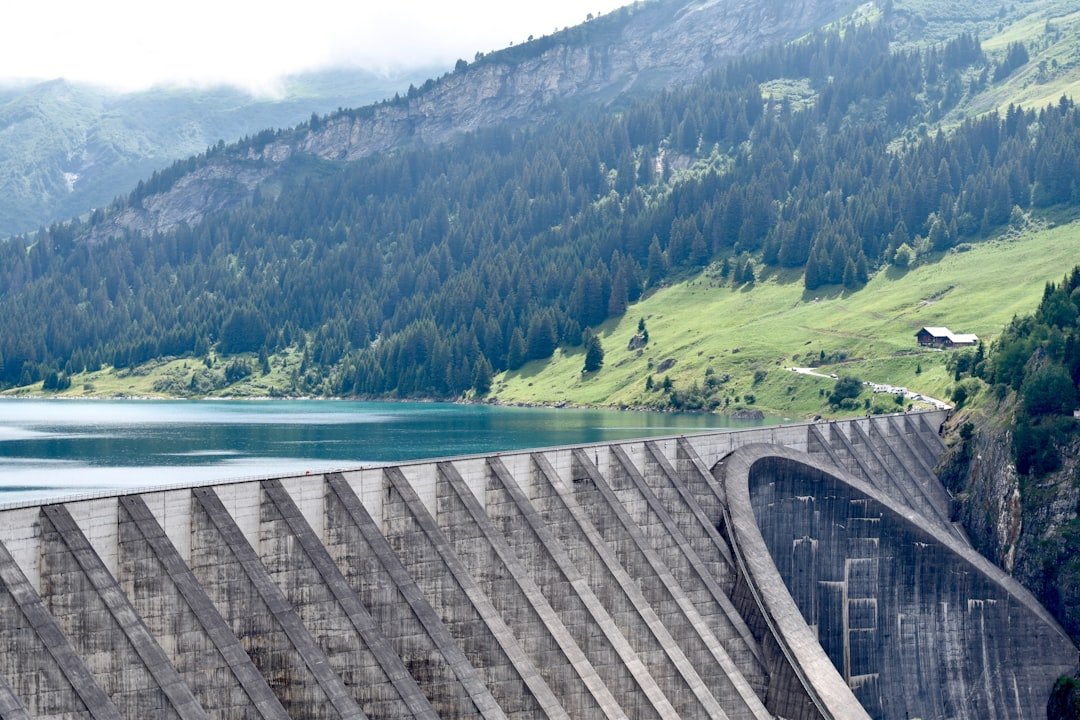
Austria’s whole economic model has been built on the simple, powerful idea of water flowing downhill. The Alps aren't just pretty; they're a massive, natural battery. Water flows through turbines, generating clean, reliable power for homes and industries. It’s been a fantastic setup.
But here’s the thing. The very foundation of that model is starting to crack. The reliable flow of water we’ve all taken for granted is becoming… well, not so reliable. Climate change is redrawing the map, and for a country that’s bet the house on hydropower, this is a huge deal. And for us in the insurance world, it’s a flashing red light we can’t afford to ignore.
So, What's the Big Deal with Austria's Water Power?
Let’s put this in perspective. Austria has long been the envy of its neighbors. While others were scrambling with fossil fuels and geopolitical energy games, Austria could lean back on its massive network of hydropower plants. This wasn't just about keeping the lights on; it was a core part of their national identity and economic strength.
Think of it like a financial portfolio. A smart investor diversifies, right? But Austria’s energy portfolio has been heavily, heavily weighted in one asset: Alpine water. And for a long time, that asset was pure gold. It was predictable, profitable, and green before being green was cool.
But what happens when your star asset starts to look shaky? That’s the situation we're facing now. The entire system, from the massive dams and reservoirs down to the individual businesses that rely on that power, is built on an assumption of consistent water flow. When that assumption is challenged, the risk profile for the entire country starts to change dramatically.
When the Taps Run Low: Climate Change is Rewriting the Rules
We all know climate change is causing glaciers to melt at an alarming rate. At first, that might sound like more water for the rivers, right? And for a short time, it is. But that’s the trap. It’s a temporary sugar rush before the crash.
Scientists are talking about something called "peak water." It’s the point where the runoff from melting glaciers and snowpack reaches its maximum before it begins a long, steady decline. And Austria is staring right at it.
Here’s what that looks like for us in the risk business:
- Drought and Volatility: Instead of a steady, predictable flow of water throughout the year, we’re seeing more extremes. Long, dry summers mean lower water levels in reservoirs, crippling power generation capacity. Then, you might get sudden, intense rainfall that the system can't handle, leading to floods. This volatility is an underwriter’s nightmare.
- Business Interruption on a Massive Scale: This is the big one. When hydropower plants can't generate enough electricity, the ripple effects are enormous. We’re not just talking about the power utility filing a claim. We’re talking about every factory, every hotel, every shop that depends on that power. Contingent business interruption (CBI) claims could go through the roof.
- Stress on Infrastructure: The physical assets themselves are at risk. Dams and turbines are built to operate within certain parameters. Extreme low water levels can cause operational issues, while sudden floods can cause catastrophic damage. This puts property insurance for these multi-billion-dollar assets under immense pressure.
The historical data we’ve used for decades to model risk for these assets is quickly becoming obsolete. We’re sailing in uncharted waters, and our old maps just don’t work anymore.
It's Not Just the Climate - Geopolitics is Adding Fuel to the Fire
As if a fundamental shift in the country's hydrology wasn't enough, there's another layer of complexity here. The geopolitical situation has thrown the entire European energy market into a tailspin.
In the past, if Austria had a dry summer and hydropower was down, it could simply buy power from its neighbors. It wasn't ideal, but it was a reliable backup plan. Now? That backup plan is looking incredibly fragile.
Everyone is scrambling to secure their own power supplies. The market is tight, prices are volatile, and political tensions can shut off the flow of energy with little warning. This means Austria’s "Plan B" is no longer a sure thing.
For us, this introduces a whole new set of risks to consider. We’re now looking at political risk, supply chain vulnerabilities, and trade credit issues layered on top of the already-worrying climate risks. It’s a perfect storm, and it’s brewing right in the heart of Europe.
What Does This Mean for Us? The Insurance Angle
Okay, so the situation is complicated. But what do we, as insurers, brokers, and risk managers, actually do about it? This is where the rubber meets the road.
First, we have to get real about pricing this risk. Underwriting a major hydropower plant or a large industrial consumer in Austria can't be business as usual. We need new models that account for hydrological volatility and the very real possibility of "peak water." This isn't a far-off, theoretical problem anymore; it's happening now.
Second, we need to be having frank conversations with our clients. They need to understand their exposure. It’s not just about having a property policy for their factory. We need to be talking to them about:
- Business Interruption: Are their limits adequate for a prolonged power shortage?
- Contingent BI: What happens if their key suppliers lose power?
- Supply Chain Risk: How resilient is their business to energy price shocks and availability issues?
Finally, this is an opportunity for innovation. Can we develop new products? Parametric insurance that pays out when river levels drop below a certain threshold for a set period could be a game-changer. It provides quick, transparent liquidity to businesses when they need it most, without the lengthy claims adjustment process.
This whole situation in Austria is a wake-up call. It's a real-world, real-time case study of how interconnected climate, economic, and political risks truly are. What’s happening in the Alps today is a preview of what could happen in other regions that rely heavily on a single, climate-sensitive resource.
It’s our job to not just react, but to anticipate. We need to be the ones looking over the horizon, understanding these complex, cascading risks, and helping our clients build the resilience they’ll need to navigate the very turbulent years ahead. It’s a massive challenge, but it’s also exactly what our industry was built for.