You just hired the perfect candidate. They’re smart, driven, and fit right in with the team. You’re thrilled. For a few weeks, everything is going great, and you’re already congratulating yourself on a brilliant hire.
Then, they share some personal news: they’re pregnant.
What you do next—what your managers do next—can be the difference between a celebration and a federal lawsuit. That might sound dramatic, but it’s a reality that a homebuilder in Oklahoma is facing right now, and it’s a situation every single business owner needs to understand.
Let’s break down what happened and, more importantly, what it means for you.
What Exactly Happened with Home Creations?
It’s a story that, on the surface, sounds like a classic case of bad timing. But the U.S. Equal Employment Opportunity Commission (EEOC) sees it differently.
Here’s the rundown. A company called H.C. Employees, which operates as Home Creations in Oklahoma and Texas, hired a new design studio consultant. By all accounts, she was doing a great job. A little while after starting, she told her supervisor she was pregnant.
Not long after that conversation, she was fired.
The company’s official reason? A slowdown in new home sales. It’s a plausible explanation, right? Businesses have to make tough calls when sales dip. But here’s where the story gets tricky and where the EEOC raised a red flag. Just a few months after letting the pregnant employee go, the company hired someone else to fill her exact same position.
That one detail changes everything. It makes the "slowdown" reason look less like a business necessity and more like an excuse. And that’s why the EEOC has stepped in, filing a lawsuit that alleges the company violated federal law—specifically, the Pregnancy Discrimination Act.
This Isn't Just Some Obscure Law
When you hear "Title VII of the Civil Rights Act of 1964," it might sound like something out of a history book. But it’s very much alive and kicking, and the Pregnancy Discrimination Act is a critical part of it.
The law is actually pretty simple: you can’t fire, refuse to hire, or penalize an employee in any way just because she’s pregnant.
Pregnancy has to be treated the same as any other temporary medical condition. If you’d give an employee with a broken leg some accommodations, you have to do the same for a pregnant employee. If you have a policy for short-term disability, it has to apply to pregnancy, too.
What the EEOC is arguing in the Home Creations case is that the employee’s pregnancy was the real reason she was let go. As Andrea G. Baran, a regional attorney for the EEOC, put it, "A woman’s decision to have a child should not cost her a job." It’s a fundamental protection, yet surprisingly, it’s a mistake companies still make all the time.
The Staggering Cost of Getting This Wrong
So, what’s the big deal? If the company loses, they just pay a fine, right?
Oh, if only it were that simple. A lawsuit like this can be financially devastating for a business, and the costs go way beyond a simple penalty.
The EEOC is fighting for some serious compensation for the employee, including:
- Back Pay: This is the wages she lost from the time she was fired.
- Compensatory Damages: This covers things like emotional distress and the financial costs she incurred because she was suddenly unemployed.
- Punitive Damages: This is the big one. These are designed to punish the company for its behavior and deter others from doing the same thing. They can be incredibly high.
And that’s just what the court might award. We haven’t even talked about the legal fees. Defending a federal lawsuit is a long, expensive process that can drain a company’s resources, whether they win or lose.
The Hidden Risk: Your People
This is where we need to talk about a type of insurance that’s absolutely crucial for any business with employees: Employment Practices Liability Insurance, or EPLI.
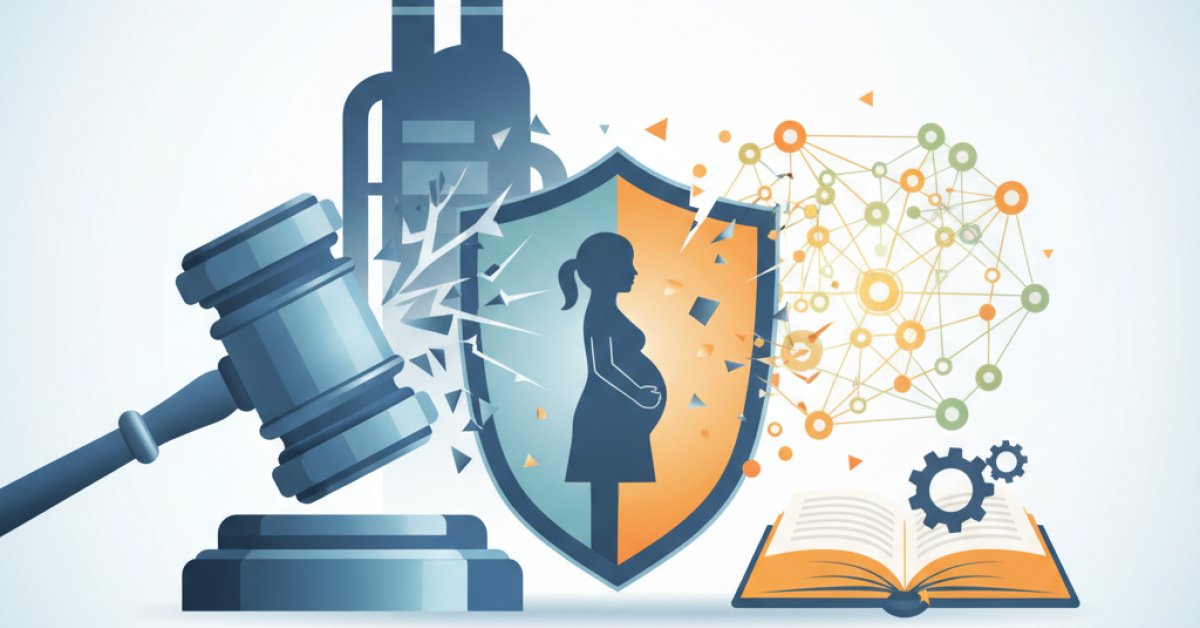
Think of EPLI as a financial shield for "people problems." It’s designed to protect your business from claims of discrimination, wrongful termination, harassment, and other employment-related issues. When a lawsuit like the one against Home Creations happens, an EPLI policy can be what saves a company from financial ruin by helping to cover legal defense costs and potential settlements or judgments.
It’s not just for big corporations, either. Small and mid-sized businesses are often more vulnerable because they may not have a dedicated HR department, and a single lawsuit can be a knockout blow.
How to Keep This from Happening to You
Look, no one sets out to discriminate. Most of these situations arise from managers making poorly timed decisions or not understanding the law. Protection starts with prevention.
Here are a few things you absolutely must do:
- Train Your Managers: This is non-negotiable. Anyone who has the power to hire, fire, or manage employees needs to understand the basics of employment law, especially around protected classes like pregnancy. They need to know what they can and can’t say or do.
- Document Everything: If you have to let someone go, the reason needs to be crystal clear, legitimate, and well-documented. Was it performance-related? Make sure you have records of performance reviews and warnings. Was it a layoff due to business conditions? Be prepared to show that the decision was made based on objective criteria, not bias. The "paper trail" is your best friend.
- Be Consistent: Your company policies must be applied the same way to everyone. If you make an exception for one person’s medical leave, you need to be prepared to do it for others, including pregnant employees. Consistency is key to showing you’re being fair.
This case against Home Creations is a powerful, real-world reminder that managing people is one of the riskiest parts of running a business. It’s a tough lesson, but one we can all learn from. It shows that even a seemingly logical business decision can land you in serious legal trouble if not handled with extreme care.
At the end of the day, it's about building a culture of respect and fairness—and backing that up with solid policies, consistent training, and the right insurance safety net. Because protecting your employees and protecting your business aren't two different things; they’re two sides of the same coin.