Let’s talk about risk. In our world, the insurance world, we spend our days thinking about the "what ifs." What if there's a fire? What if a hurricane hits the coast? We build complex models, run disaster scenarios, and write policies with carefully worded exclusions. It’s all about planning for the worst.
For most of us, "war risk" has always been one of those ultimate "what ifs." It’s a concept, a clause buried deep in a commercial policy, something we discuss in boardrooms or at industry conferences. It’s a theoretical catastrophe we simulate but, thankfully, never truly expect to face.
But what happens when the simulation ends and the reality begins?
That’s exactly what our colleagues in Ukraine are living through every single day. They’ve been thrown into a situation where the ultimate theoretical risk is now their daily operational reality. They aren't running models; they're processing claims from active war zones. And frankly, what they're doing is rewriting the playbook on resilience.
From a Clause in a Contract to a Daily Crisis
Think about it. For decades, war risk has been the industry's great unknown. It’s so massive, so unpredictable, that most standard policies simply wash their hands of it with an exclusion. It’s considered an uninsurable peril, the kind of thing only specialized markets at Lloyd’s of London would even dare to touch.
In Ukraine, that neat separation has been completely blown apart. Insurers there are now on the front lines, grappling with the very thing the rest of us have spent a century trying to avoid.
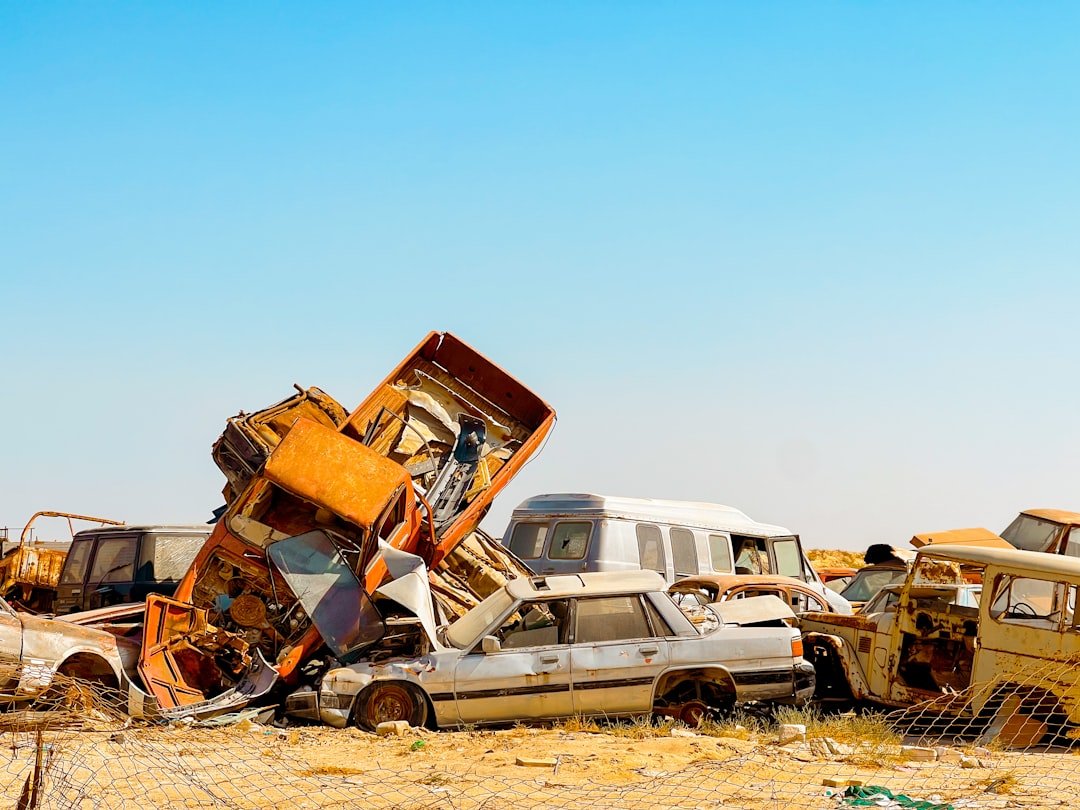
They’re not just talking about the complexities of war-related property damage; they’re sending adjusters (when it's safe) to document it. They’re not just theorizing about business interruption from a missile strike; they’re calculating the real-world losses for a factory that’s been reduced to rubble.
It’s like the difference between a flight simulator and a real-life emergency. We’ve all practiced the emergency landing in the simulator. They are actually flying the plane, with no engines, in a storm, and they have to figure out how to land it safely.
What Does a War Claim Even Look Like?
The complexity here is just staggering. A typical large property claim is already a handful, right? You have to determine the cause, assess the damage, and verify the documentation. Now, imagine doing that in the middle of a war.
Let’s break down the challenges they’re facing:
- Proving the Cause: Was the building destroyed by a direct missile strike? Was it collateral damage from a nearby explosion? Or did it catch fire because the city's water supply was cut off and firefighters couldn't respond? Each of these scenarios can have massive implications for which policy, if any, might respond. Getting clear evidence is next to impossible.
- Access and Safety: You can't just send a claims adjuster into an active conflict zone. Assessing a damaged property might have to wait for weeks or months until the area is secure. By then, evidence can be lost, and the scene can change dramatically.
- Documentation Breakdown: How do you get official records when the local courthouse or land registry has been bombed? How do you get police reports when the local authorities are focused on life-or-death emergencies? The basic paperwork that underpins any major claim often simply doesn't exist anymore.
- The Sheer Scale: We’re not talking about a single factory fire. We're talking about entire industrial parks, shopping centers, and apartment blocks being wiped out. The sheer volume of claims, and the magnitude of the losses, is something no system is built to handle all at once.
They are literally building the processes and protocols for this as they go, making incredibly difficult decisions under the most intense pressure imaginable.
It's More Than Just Business; It's Personal
Here’s the thing that really gets me. When we handle a claim, there's a professional distance. We’re helping people, of course, but we go home at the end of the day.
For the claims handlers, underwriters, and executives in Ukraine, this isn't just a professional crisis. It’s a personal one. The businesses they are trying to help are owned by their neighbors. The damaged homes belong to their friends and family. They are living through the same trauma as their clients, often while trying to keep their own families safe.
Can you imagine trying to process a multi-million dollar business interruption claim while you’re worried about an air-raid siren going off? Or trying to verify property deeds when you yourself have been displaced from your home?
The resilience is just on another level. They are showing up every day, finding creative solutions, and supporting their clients and their country in a way that goes far beyond the text of an insurance policy. They’re not just insurers anymore; they’re first responders for the economic recovery that will one day come.
So, the next time you see that "war risk exclusion" in a policy, take a moment to think about what it really means. For us, it’s a line of text. For our colleagues in Ukraine, it’s a lived reality. They are providing a masterclass in courage and ingenuity, and the entire global insurance industry has so much to learn from their experience. It’s a sobering, humbling, and powerful reminder of what our industry is really all about: being there when the unthinkable happens.