Have you ever watched a storm gather on the horizon? At first, it’s just a distant rumble, a darkening of the sky. It feels far away, like it might not even reach you. But if you’re a farmer, a sailor, or even just planning a picnic, you know you have to pay attention. You start checking the forecast, securing your property, and making contingency plans.
Right now, the global insurance industry is doing the exact same thing.
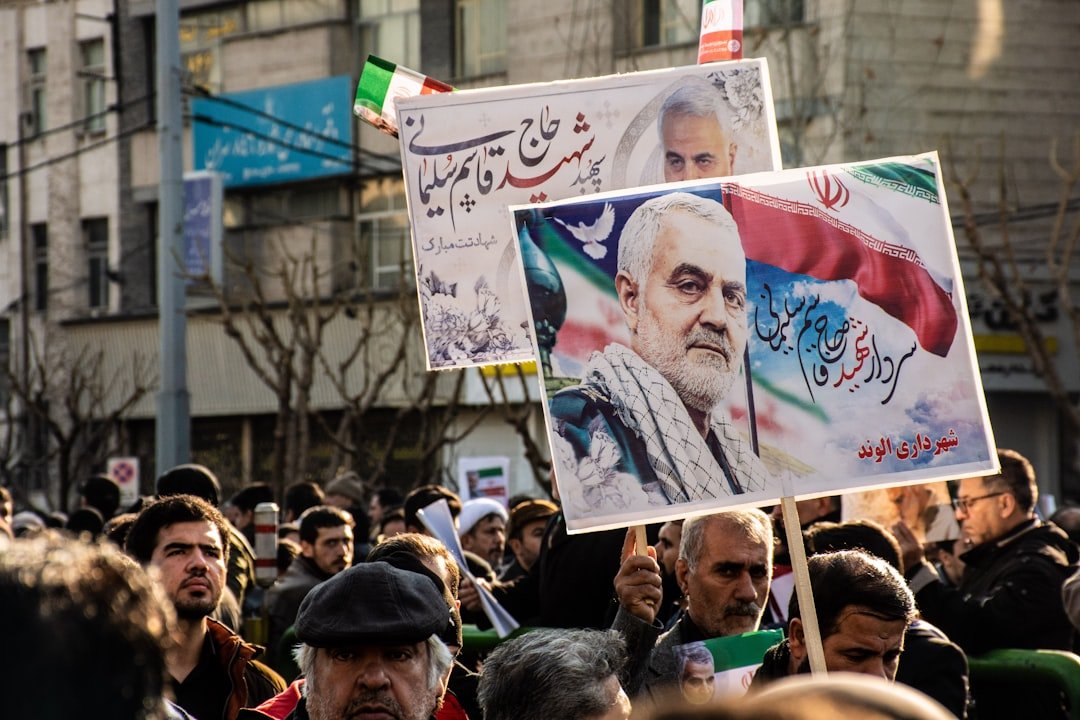
A geopolitical storm is brewing in the Middle East, with the United States staging its largest military buildup in the region since the 2003 invasion of Iraq. And while it might seem like a distant political issue, for insurers and underwriters, it’s a flashing red light on their risk dashboard. The rumbles are getting louder, and everyone is bracing for what might come next.
Let’s break down what’s happening and why it has the insurance world on the edge of its seat.
So, What’s Actually Going On?
Without getting bogged down in the complex politics of it all, the key takeaway is this: there's a significant increase in military hardware and personnel in a historically volatile part of the world. We're talking about aircraft carriers, fighter jets, and thousands of troops being deployed.
Think of it like adding a massive amount of fuel next to a smoldering fire. It doesn’t guarantee an explosion, but it dramatically increases the risk of one.
This isn’t just another news headline for the insurance market. For underwriters who price risk for a living, this is a fundamental shift in the environment. The potential for conflict, sabotage, or terrorism has just gone up, and that changes everything. It forces a very real, and very urgent, question: "Is the price we're charging for our coverage still adequate for this new level of risk?"
The Ripple Effect: Why Insurers Are on High Alert
When the ground shifts like this, insurers can't just sit back and hope for the best. They have to immediately reassess their exposure. This means digging into every policy they have on the books in and around that region to see what they’ve promised to cover.
It's a massive, high-stakes review process. They’re looking at everything, but a few specific types of insurance are getting some serious, immediate attention.
War & Political Violence Policies Under the Microscope
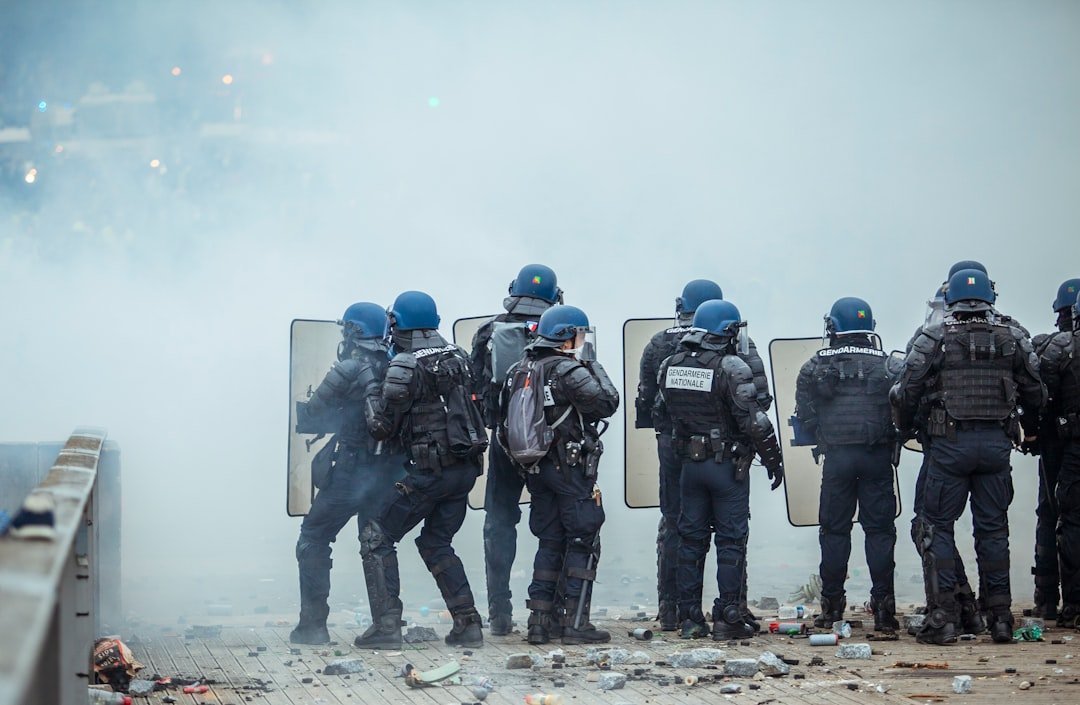
This is the most obvious one, right? Policies that specifically cover damages from war, terrorism, strikes, riots, and civil commotion are now front and center.
For years, these policies might have been seen by some clients as a "just in case" purchase. Now, that "case" feels a lot more possible. Underwriters are likely scrambling to:
- Map their exposure: Which clients have assets—buildings, factories, inventory—located in high-risk zones?
- Review policy wording: What exactly did we agree to cover? Are there specific exclusions for state-sponsored acts versus non-state actors? The fine print suddenly matters more than ever.
- Price future risk: How do you even begin to price a policy for a new client wanting to operate in the region? The old models might not apply anymore.
This is where the job gets tough. You're trying to put a price on instability, and that’s an incredibly difficult thing to do.
Choppy Waters for Marine Insurance
The Middle East is home to some of the world’s most critical shipping lanes, like the Strait of Hormuz and the Suez Canal. A huge percentage of global trade, especially oil, passes through these narrow waterways.
Now, imagine you’re insuring a billion-dollar cargo ship or the millions of dollars of goods it's carrying. Your primary concerns just shifted dramatically. You're no longer just worried about pirates or bad weather. You're worried about:
- A stray missile hitting a vessel.
- A strategic waterway being blocked or mined, trapping ships.
- Cargo being damaged or destroyed in a port that gets caught in the crossfire.
Marine underwriters have to reassess the risk for every single vessel passing through the area. This will almost certainly lead to higher premiums for what’s known as "breach of warranty" coverage—an extra premium paid for ships to enter these designated high-risk zones. For shipping companies, that means the cost of doing business just went up.
Turbulence Ahead for Aviation Coverage
Just like the seas, the skies are also a major concern. Airlines have routes that fly directly over the Middle East.
The risks here are just as scary. Think about the potential for airspace to be closed with little notice, forcing costly and lengthy reroutes. Or worse, the terrifying possibility of a commercial airliner being misidentified during a period of high military tension.
Aviation insurers are looking at their "war risk" policies with fresh eyes. They’re assessing the exposure of every airline they cover that operates in the region. This could mean:
- Increased premiums for airlines flying near conflict zones.
- Potential new exclusions on policies.
- A very careful review of where insured aircraft are parked on the ground, as airports themselves could become targets.
What This All Means for You and Me
Okay, so insurers are nervous. But what’s the real-world impact?
It really comes down to a classic case of supply and demand in the world of risk. The risk (the demand for coverage) has just shot up, but the appetite from insurers to take on that risk (the supply of coverage) is likely shrinking.
When that happens, you can expect a few things. Premiums are almost certain to rise for any coverage related to the region. Insurers will become much more selective about who and what they’re willing to cover. We’ll probably see new, more restrictive policy language and exclusions being introduced to limit their exposure to worst-case scenarios.
This isn't insurers being greedy; it's them being prudent. Their job is to manage risk, and when a massive, unpredictable new risk emerges, they have to react to protect their own financial stability. After all, they need to be able to pay out claims if the worst does happen.
The situation is a stark reminder that the world of insurance doesn't exist in a vacuum. Geopolitical events, military actions, and political tensions on the other side of the globe can have a direct and immediate financial impact on businesses and the insurers that protect them. For now, all we can do is watch, prepare, and hope that this particular storm passes without making landfall.