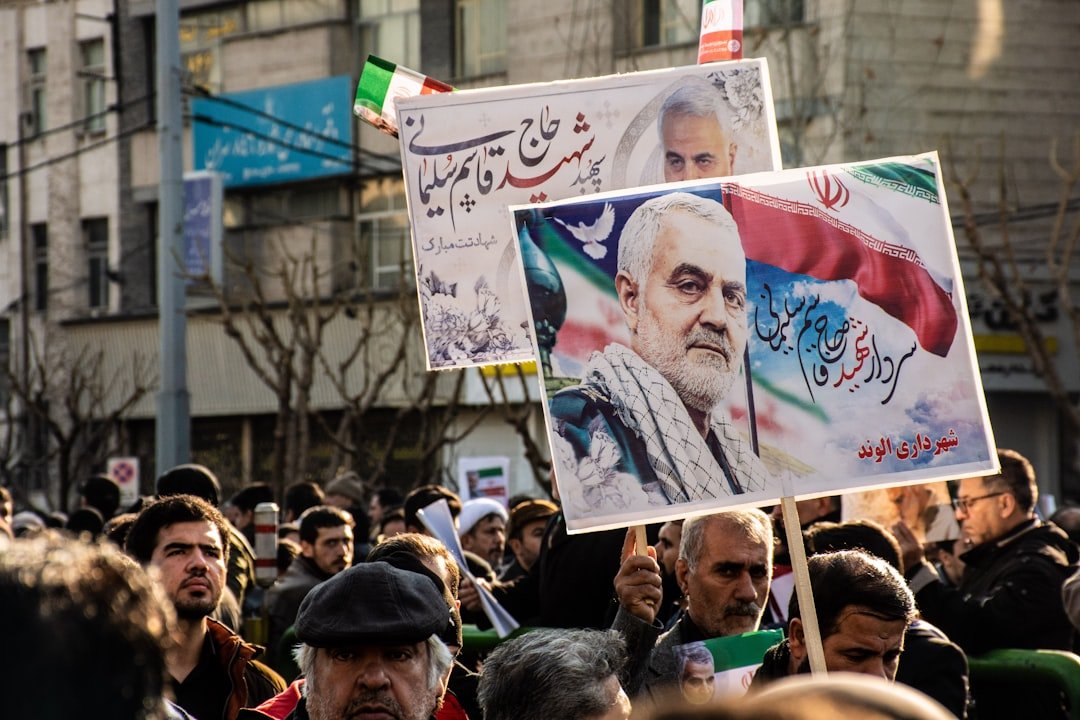
It’s easy to see the headlines about potential military action in Iran and feel like it’s a world away. It’s all politics and posturing, right? Something for diplomats and generals to worry about.
But for those of us in the insurance world, it’s a completely different story. When we see news about a potential "limited strike," we don't just see a headline. We see a massive, complex web of risk that’s suddenly vibrating with tension. It’s like watching a storm gather on the horizon. You don’t know exactly where it will hit, but you know you need to start boarding up the windows.
So, let's pull back the curtain a bit. While Washington and Tehran are in a standoff, underwriters in London, New York, and Singapore are running some pretty intense "what-if" scenarios. They're trying to put a number on chaos. Because if things go south, it’s the insurance industry that will be picking up a big piece of the tab.
The Problem with a "Limited" Strike
Here’s the thing about a "limited" strike—it's a bit like a "small" fire in a fireworks factory. The initial spark might be contained, but the potential for a catastrophic chain reaction is enormous. And that’s exactly what has the insurance market holding its breath.
We’re not just talking about the direct damage from a military action. That’s almost the easy part to calculate. The real headache is the fallout, the ripple effect that spreads across the globe and touches industries you might not even think about.
Tehran knows this. We're seeing reports of them "hardening sites," which is a military way of saying they’re digging in and getting ready. This defensive posture also signals they’re prepared to retaliate, and their targets of choice could cause maximum economic disruption. This is where insurance suddenly becomes front-page news.
The Three Big Areas We're Watching
When we model these kinds of geopolitical events, we have to break the risk down. Right now, all eyes are on three critical areas where a conflict could cause immediate and massive losses.
1. The World's Most Important Waterway
Think about the Strait of Hormuz for a second. It's a tiny chokepoint on the map, but something like a fifth of the entire world's oil supply passes through it every single day. It is, without a doubt, the most critical shipping lane on the planet for the energy market.
Now, imagine you’re a marine insurer. You write policies for those massive supertankers. Suddenly, the risk of one of them being attacked, damaged, or even just detained in that strait skyrockets.
What do you do? You raise your prices. Dramatically.
We call this "war risk premium." It’s an extra layer of coverage for vessels sailing into dangerous waters. After previous attacks on tankers in the region, these premiums shot up as much as tenfold. We're talking about hundreds of thousands of dollars in extra insurance costs for a single voyage.
If a wider conflict breaks out, you can bet those premiums will go through the roof, making it incredibly expensive to move oil. Some insurers might even decide the risk is too high and stop offering cover for that region altogether. This doesn’t just affect the ship owners; it affects the price of gas in your car and the cost of every plastic product on the shelf.
2. Danger in the Skies
It’s not just the seas we’re worried about. The airspace over the Gulf is one of the busiest international flight corridors in the world.
Airlines and their insurers have a terrifyingly recent memory of what can go wrong. The tragic downing of Ukraine International Airlines Flight 752 by the Iranian military is a stark reminder of how quickly a commercial flight can get caught in the crossfire.
In response to rising tensions, aviation insurers are already on high alert. They’re re-evaluating the risk for any airline that flies over or near Iranian airspace.
The playbook is pretty straightforward, but the consequences are huge:
- Exclusions: Insurers might start excluding Iran from their standard policies, forcing airlines to buy expensive specialized war risk coverage.
- Rerouting: Many airlines will simply choose to avoid the area altogether. This means longer flight times, higher fuel consumption, and more expensive tickets for you and me.
- Cancellation: In a worst-case scenario, flights could be canceled entirely, causing massive disruption to global travel and supply chains that depend on air freight.
For an aviation underwriter, the nightmare scenario is a "loss of hull" (the plane itself) and the massive liability claims that follow. It's a multi-billion-dollar risk that becomes frighteningly real when missiles are flying.
3. The Big One: Hitting the Oil Fields
This is the scenario that keeps energy insurers up at night. While shipping and aviation are about movement, this is about the source. What if the conflict targets the massive oil and gas facilities themselves?
We’ve already had a preview of this. The drone and missile attacks on Saudi Arabia’s Abqaiq and Khurais oil facilities were a wake-up call for the entire industry. It showed just how vulnerable these sprawling, high-value sites are. The damage was immense, and the insurance claims were in the billions.
Insurers are now modeling what a direct, sustained attack on energy infrastructure in the region would look like. We’re talking about:
- Property Damage: The physical destruction of refineries, pipelines, and processing plants worth tens of billions of dollars.
- Business Interruption: The staggering financial loss from these facilities being offline for months, or even years.
- Political Risk: Policies that cover assets being seized or destroyed due to political violence.
The numbers are mind-boggling. A major facility could have an insured value of $20 billion or more. A coordinated attack on several sites could present the insurance and reinsurance market with one of the largest man-made losses in history.
This is what we mean by a "loss shock." It’s a sudden, massive event that sends a jolt through the entire financial system. And right now, every major insurer is stress-testing their portfolio to see if they could withstand that kind of shockwave. It’s a tense, high-stakes waiting game, and a reminder that our work is directly tied to the messy, unpredictable world of global politics.