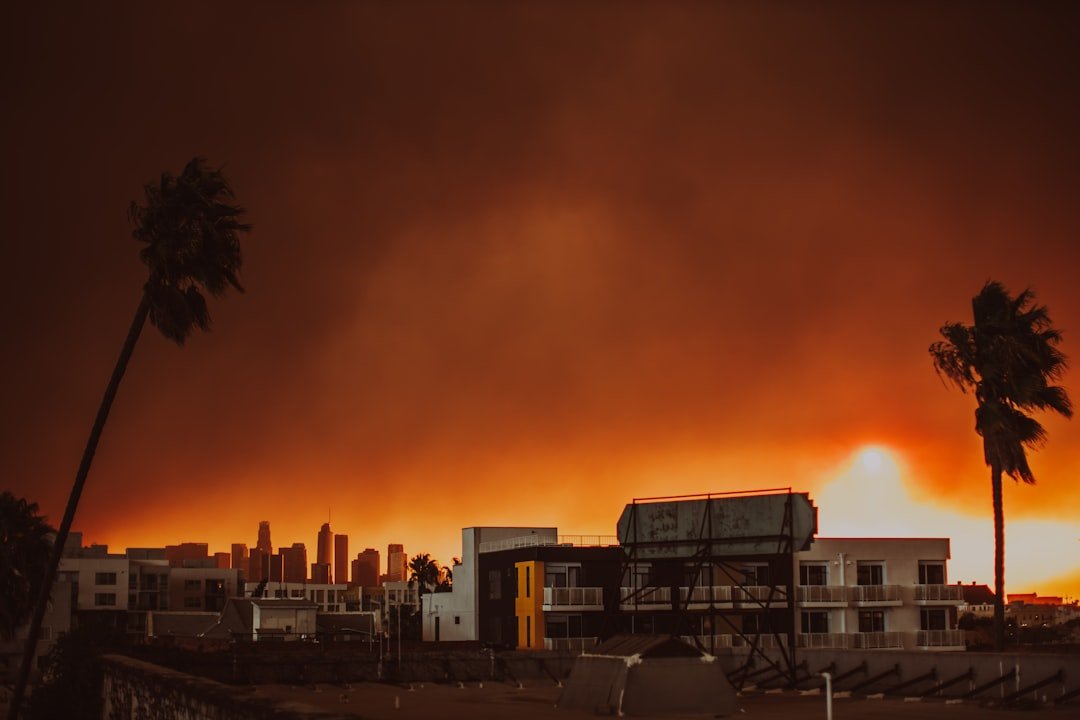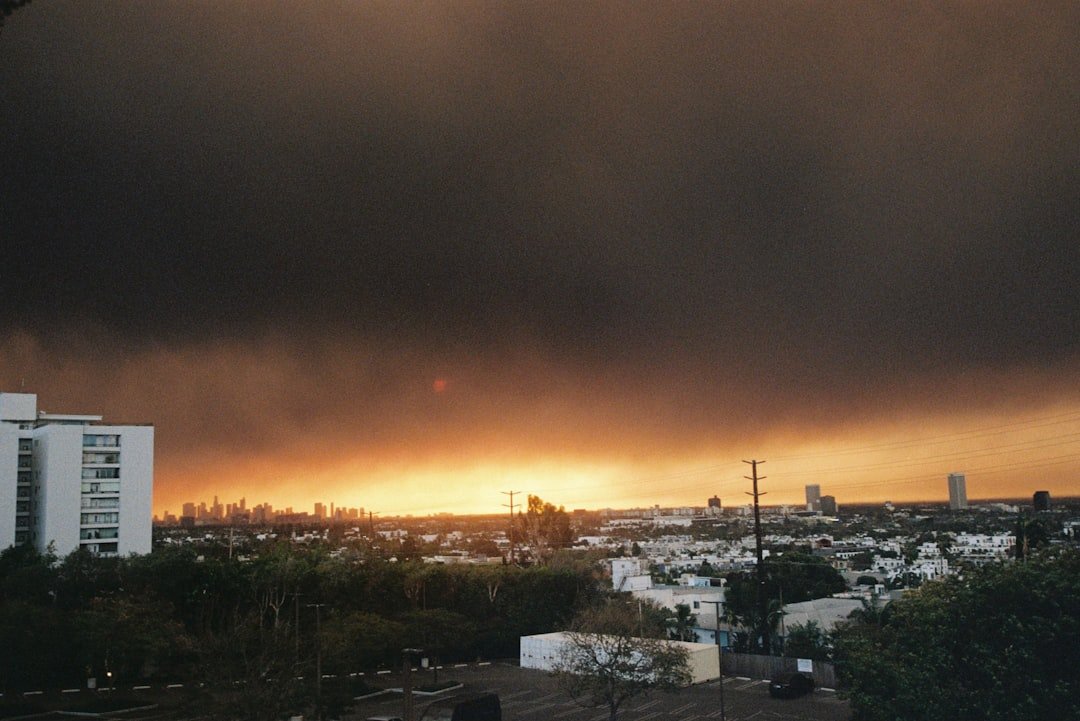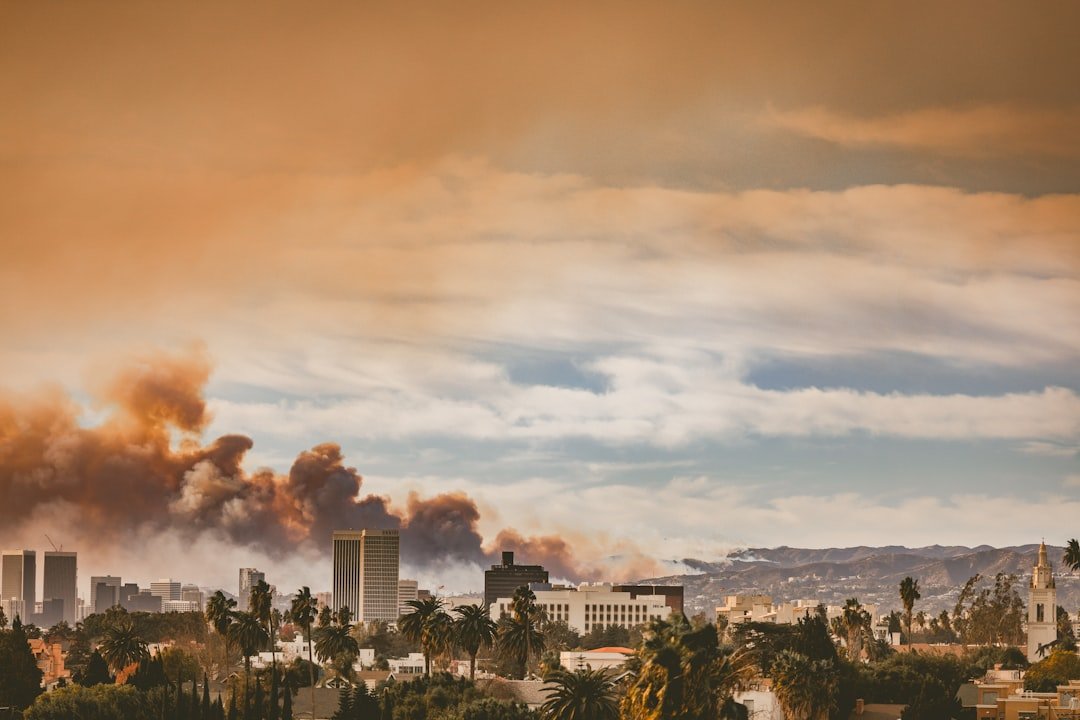
I remember watching the news when the Palisades fire was raging. You see those images of smoke plumes filling the sky, and your heart just sinks. You think about the families, the homes, the history going up in flames. It feels incredibly personal, even from a distance.
After the embers cool, the focus shifts. How did this happen? And for those who lost everything, the big question becomes: how do we rebuild? That's where insurance is supposed to step in. But what happens when the story gets complicated?
That’s exactly what’s happening right now. A federal jury couldn't agree on a verdict in the arson case tied to that fire—the most destructive in Los Angeles history. The judge had to declare a mistrial. And while that might sound like just a courtroom drama, it sends major shockwaves through the insurance world. Trust me, this legal stalemate has a direct line to your wallet.
Let's unpack what this really means, not as a legal expert, but as someone who sees how these things affect real people and their policies.
What Happens When the Court Can't Decide?
First off, what’s a mistrial? It’s not an acquittal. It doesn’t mean the person is innocent. It just means the jury was deadlocked—they couldn’t come to a unanimous decision.
Think of it like a sports game ending in a tie with no overtime. There’s no winner, no loser. The whole thing is basically a do-over. The prosecutors can decide to try the case again with a new jury, but for now, everything is in limbo.
And "limbo" is a word that insurance companies absolutely hate.
Why? Because insurance is all about certainty and risk calculation. When the cause of a multi-million-dollar disaster is officially up in the air, it throws a massive wrench into the financial machinery that’s supposed to help communities recover.
The Arson Clause: A Big Wrinkle in Insurance Claims
When a fire happens, your homeowners insurance is generally your first line of defense. It’s designed to cover fire damage. Simple, right?
Well, it gets tricky when arson is involved.
Every policy has exclusions, and one of the biggest is intentional acts. If you, the policyholder, were to intentionally burn down your own house to get the insurance money, your claim would be denied flat-out. That’s insurance fraud, and it's a crime.
But what happens when a third party—a stranger—is accused of starting the fire?
This is where things get interesting. Your insurance company will still cover your losses. They’ll pay to rebuild your home, replace your belongings, and cover your living expenses, all based on the terms of your policy. They have a duty to you, their client.
But they don't just write a massive check and forget about it. This is where a crucial, and often misunderstood, concept comes into play: subrogation.
The Subrogation Puzzle: Trying to Get the Money Back
Subrogation is a fancy word for a simple idea. It’s the right of your insurance company to step into your shoes and go after the person or party responsible for your loss.
Here’s an easy analogy: Let's say your neighbor is carelessly playing with fireworks and sets your roof on fire. Your insurance company pays for the repairs immediately so you can get your life back to normal. Then, they turn around and sue your neighbor (or their insurance company) to get that money back.
That’s subrogation. It’s how the system holds the at-fault party financially accountable.
In the case of the Palisades Fire, insurers have paid out an astronomical amount in claims. They were banking on a conviction in this arson trial. A guilty verdict would have given them a clear legal path to sue the convicted arsonist to recoup some of those massive losses.
But with a mistrial? That path becomes a muddy, overgrown trail.
Without a criminal conviction, it's incredibly difficult for insurance companies to prove in a civil court that this specific individual was responsible. The burden of proof is different, but a conviction would have been the ultimate slam dunk. Now, they’re facing the prospect of either a long, expensive second trial or having to write off those losses completely.
So, Why Does This Affect Your Premiums?
This is the part that hits home for all of us. You might be thinking, "Okay, so a few big insurance companies might lose some money. Why should I care?"
Here’s the thing: insurance is a shared pool of risk. When insurance companies face enormous, unrecoverable losses, they don’t just absorb them. That financial pressure has to go somewhere.
Think of it like your local pizza shop. If the price of flour and cheese suddenly skyrockets, they have two choices: go out of business or raise the price of a slice.
Insurance companies work similarly. When they have to pay out billions for wildfires and can't get any of it back through subrogation, their risk pool gets depleted. To stay financially stable and be able to pay future claims, they have to bring more money in.
How do they do that?
- Higher Premiums: This is the most direct route. Rates go up for everyone, but especially for those in high-risk areas like California.
- Stricter Underwriting: It might become harder to get coverage in the first place. Insurers might stop writing new policies in certain zip codes deemed too risky.
- Reduced Coverage: Some companies might start offering policies with more limitations or higher deductibles for wildfire-related damage.
One hung jury in one case won't single-handedly cause your rates to double overnight. But it’s part of a much larger, worrying trend. Every time a major disaster happens and the costs can’t be recovered from a responsible party, it puts more strain on the entire insurance system. And that strain is eventually felt by every single policyholder.
What Can You Do About It?
You can't control what happens in a courtroom, but you can control how prepared you are. This situation is a powerful reminder that we live in a world with complex risks.
My best advice? Be proactive.
- Review Your Policy Annually: Don't just let it auto-renew. Sit down and read it. Do you have enough dwelling coverage to actually rebuild your home at today's construction costs? Is your personal property coverage adequate?
- Create a Home Inventory: This is one of the most important things you can do. Take photos or videos of everything you own. Use an app. It feels like a pain, but if you ever have to file a major claim, this documentation is pure gold.
- Understand Your Wildfire Risk: If you live in an area like Southern California, take defensible space seriously. Clearing brush and using fire-resistant building materials isn't just good for safety—it can sometimes help with your insurance rates.
Ultimately, court cases like this one pull back the curtain on the complex relationship between law, disaster, and finance. A hung jury in the Palisades Fire case isn't just a legal footnote; it’s a sign of the growing financial pressures that shape the insurance you rely on. It’s a reminder to all of us to hope for the best, but always, always be insured for the worst.