Remember the Palisades Fire? It feels like a lifetime ago, but for so many homeowners and, of course, their insurance companies, the aftermath is still very real. We all saw the headlines when they arrested a suspect, and for the insurance world, that felt like a crucial step.
But what if they got the wrong guy?
That’s the bombshell that just dropped. Defense attorneys for the man accused of starting that fire held a news conference, and they’re not just saying he’s innocent—they’re calling for his immediate release based on new evidence. This isn't just a legal drama; it's a story that could have massive financial ripple effects for the insurers who paid out millions in claims. Let's break down what's happening and why it matters so much to us.
So, What's the Latest Twist?
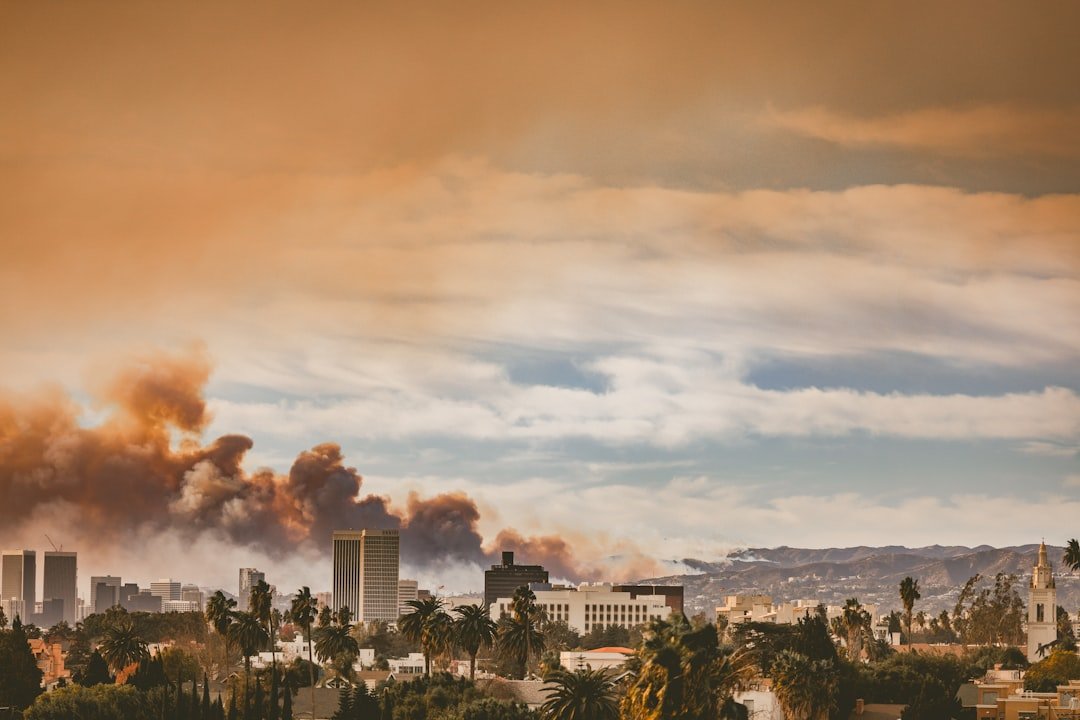
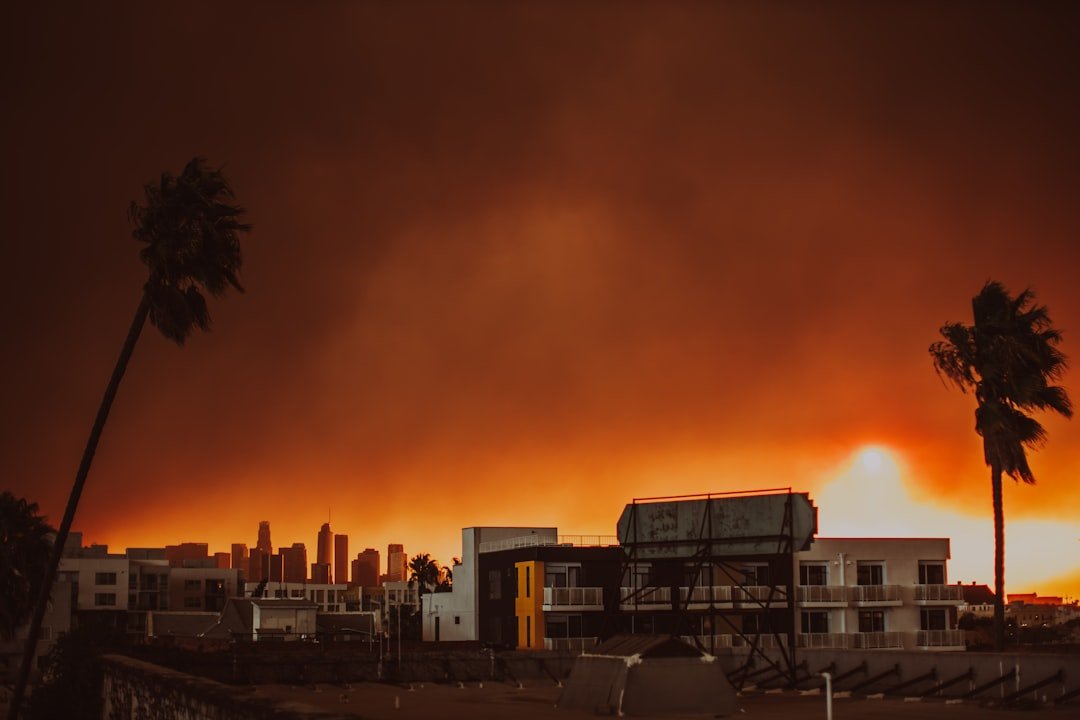
First, a quick refresher. The Palisades Fire was a monster, tearing through the hills and threatening some of LA's most expensive real estate. When the smoke cleared, authorities pointed the finger at a man named Ramon Santos Rodriguez, accusing him of arson.
For insurers, an arson arrest is a critical piece of the puzzle. It creates a clear target for what we call subrogation—the process of recovering money from the person who was at fault for the loss.
But now, Rodriguez's defense team is turning that whole narrative on its head. They claim to have uncovered new evidence that proves he couldn't have been the one to start the fire. While the specifics of the evidence are still coming out, the attorneys are so confident that they're publicly demanding his freedom. This changes everything.
The Subrogation Connection: Why Insurers Are Watching Closely
Okay, let's talk about why this is more than just a local news story for anyone in the insurance industry. It all comes down to that one word: subrogation.
Think of it like this. Your neighbor accidentally backs his car into your garage door. Your homeowner's insurance pays to get it fixed right away because that's what you pay them for. But the story doesn't end there. Your insurance company will then turn around and go after your neighbor's auto insurance (or your neighbor directly) to get that money back. They are "stepping into your shoes" to collect from the at-fault party.
That's subrogation in a nutshell.
When a wildfire is caused by arson, the convicted arsonist becomes the "at-fault party." Insurance companies that paid out claims for burned-down homes, melted cars, and business interruptions have a legal right to sue the arsonist to recover those massive losses.
Having a suspect like Rodriguez in custody gave insurers a clear path. It wasn't a guaranteed win, but it was a target. They could file civil suits and begin the long process of trying to get some of that money back.
What Happens if the Suspect is Innocent?
This is the multi-million dollar question. If the new evidence holds up and Rodriguez is exonerated, that clear path to recovery completely vanishes.
Here’s the domino effect:
- The Target Disappears: Without a convicted arsonist, there's no one to sue. The real culprit is, presumably, still out there and unidentified.
- Subrogation Efforts Halt: Any legal action or investigation by insurance companies pointed at Rodriguez would come to a screeching halt. The money, time, and resources invested in building those cases would be lost.
- Losses Become Permanent: For the insurers, this means the millions they paid out for the Palisades Fire claims are likely gone for good. They have to absorb that loss entirely, which can impact everything from their financial reserves to the premiums they charge in the future.
It's a stark reminder that in these huge, complex claims situations, nothing is certain until it's over. An arrest is not a conviction, and a conviction can sometimes be overturned. For the subrogation departments at major carriers, this case just went from a potential recovery to a potential write-off.
This is About More Than Just One Fire
While the focus right now is on this specific case, it highlights a much bigger issue in the world of wildfire claims. Assigning liability is incredibly difficult. Unlike a car crash with two drivers and a police report, the "cause and origin" of a wildfire can be murky.
Was it a downed power line? A campfire that wasn't put out properly? Or, in this case, a deliberate act of arson?
Getting that answer right is everything. An accidental fire caused by a utility company creates one kind of subrogation target. A fire started by a negligent camper creates another. An arson creates a third. But an unsolved fire? That often leaves insurers holding the bag with no one to turn to.
So, as we watch this story unfold in Los Angeles, it's not just about one man's freedom. It's a real-world lesson in the complexities of catastrophic claims. It shows just how fragile the recovery process can be and why, for insurers, a "closed" case is never truly closed until every legal avenue has been exhausted. We'll definitely be keeping an eye on this one.