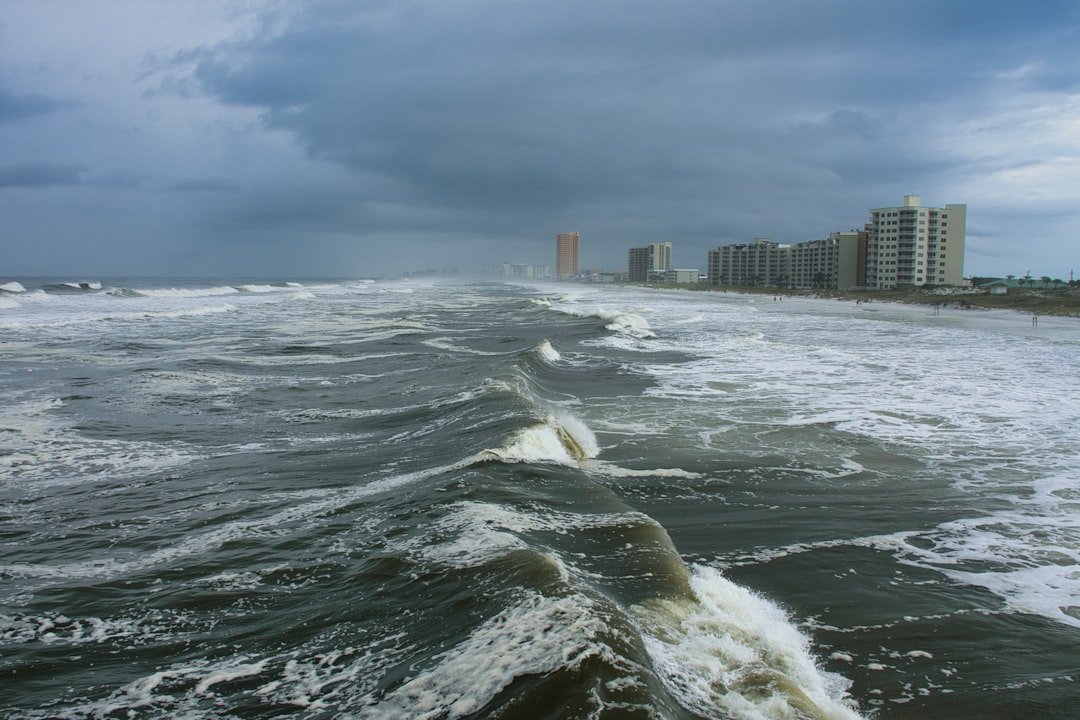
It’s the news we all want to hear, right? Forecasters are calling for a quieter-than-usual hurricane season. You can almost feel the collective sigh of relief from business owners along the coast. It feels like we’ve been given a hall pass, a year to just… relax.
But I’m going to tell you something that might sound a little crazy: a quiet forecast can be one of the most dangerous things for a business.
Why? Because it breeds complacency. It’s human nature. When the threat doesn’t feel immediate, we push things to the back burner. That emergency preparedness plan you were so fired up about creating last year? It starts gathering dust in a binder. The sense of urgency fades, and we get caught up in the day-to-day grind of running a business.
Here’s the thing, though. Storms don’t care about long-range forecasts. All it takes is one. And the time to find out if your plan actually works isn’t when a Category 3 is churning 100 miles offshore. The time is now, during the calm.
Is Your Plan Just a Piece of Paper?
Let’s be honest. A lot of businesses have a "disaster plan." It might be a thick document that checks a box for the insurance company, but has anyone actually read it? More importantly, has anyone ever tried to use it?
Think of it like a fire drill. We don’t just write down the fire escape route and hope for the best. We practice it. We walk the route, we test the alarms, we make sure everyone knows what to do when the pressure is on. It’s that muscle memory that saves lives and property.
Your hurricane plan needs the same treatment. It’s not a document; it’s a living, breathing process. And the only way to know if it holds up is to intentionally try and break it. This quiet spell is your golden opportunity to run a full-blown dress rehearsal.
What a Real "Hurricane Drill" Looks Like
So, what does it actually mean to "test" your plan? It's more than just a quick meeting. It’s about creating a simulated crisis to see where the cracks appear.
I was talking with a risk manager a while back, and she told me a great story. Her company ran a tabletop exercise where they simulated a direct hit from a major hurricane. They thought they were prepared. They had backup generators, a communication tree, everything.
But within the first hour of the simulation, it all fell apart. The person with the keys to the generator shed was “on vacation” (in the scenario). The emergency contact list was full of old phone numbers. And their cloud-based data was great, but nobody had a plan for how to access it when the local internet was completely down.
It was a mess, but it was the most valuable meeting they had all year. They found all those fatal flaws in a conference room with coffee and donuts, not in a real disaster zone.
Key Areas to Pressure-Test Right Now
If you're wondering where to start, here’s a simple checklist. Get your team together and walk through these scenarios. Be brutally honest about your answers.
- Insurance Check-Up: Pull out your commercial property and business interruption policies. Do you really understand what’s covered? Are your limits high enough to cover today’s rebuilding costs? Talk to your agent and go through it line by line. Don’t wait until you’re filing a claim to discover a gap in your flood coverage.
- Communication Breakdown: Pretend all cell service is down. How do you contact your employees? How do they check in and let you know they’re safe? How do you update your customers? If your only plan is a group text, you don’t have a plan. Test your backup systems, whether it's a satellite phone, a pre-determined call-in number, or a social media alert system.
- Supply Chain Snap: What happens if your main supplier gets wiped out? Or if the roads to your facility are impassable for a week? Do you have alternate vendors? Do you have enough critical inventory on hand to bridge the gap? Map out your supply chain and identify the weakest links.
- People and Power: Where will your team work if your office is damaged? Is your remote work setup truly ready for everyone to log in at once? And what about power? Test your backup generators under a full load. Don’t just turn them on for 30 seconds; run them for a few hours to make sure they can handle the strain.
It’s Not About Fear, It’s About Control
Look, I get it. This stuff isn’t fun. It takes time and resources away from the things that actually make you money. But preparing for a storm isn’t about being paranoid; it’s about taking control.
Every hole you poke in your plan now is one less disaster you’ll have to deal with later. Every problem you solve during a drill is one less crisis that will cost you thousands (or millions) in lost revenue and recovery costs.
So please, don't let this quiet forecast lull you into a false sense of security. Use this gift of time. Dust off that binder, get your team in a room, and run the drill. Rehearse for the storm so that when it eventually comes, you’re not just reacting—you’re ready. You’ll thank yourself for it later.