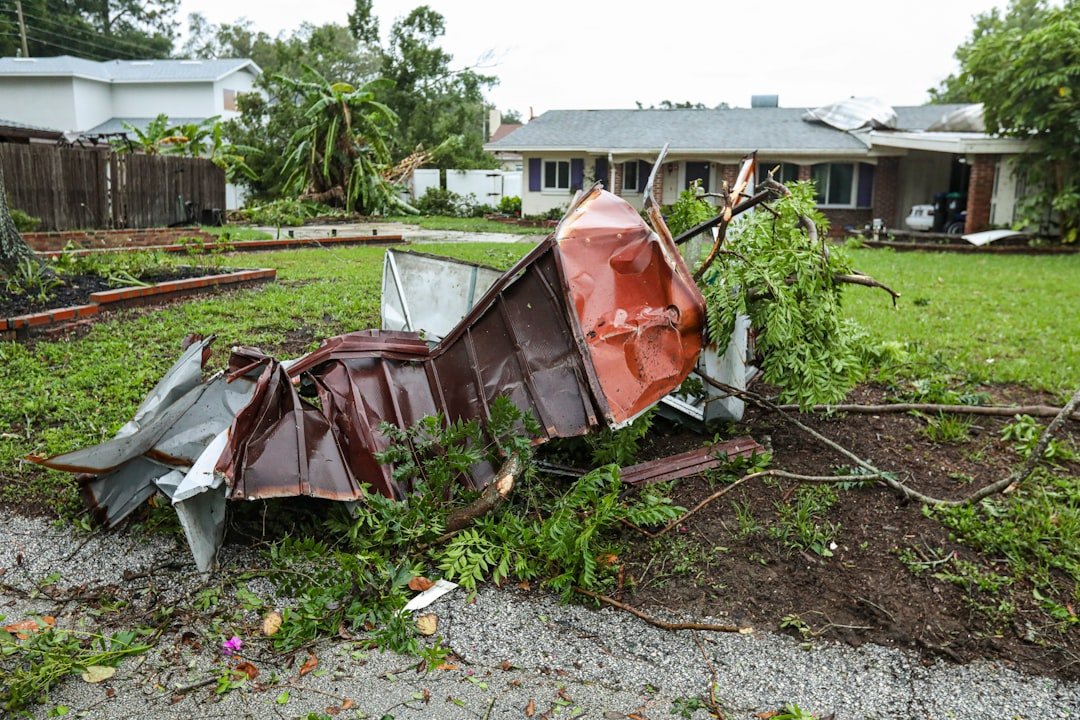
Whenever a big storm like a hurricane starts swirling in the Atlantic, we all hold our breath. You see the images on the news—the wind, the rain, the flooding—and your heart goes out to the people in its path.
If you’re in the insurance world like me, you also feel a different kind of tension. You start thinking about the claims, the cost, and the massive effort it will take to help people rebuild. So when a major company like Zurich Insurance comes out after a storm and says they don’t expect any major financial hits, it definitely makes you lean in and ask, "Wait, what?"
That’s exactly what happened with Hurricane Melissa. Zurich’s Chief Financial Officer, Claudia Cordioli, recently made a statement that, on the surface, seems pretty surprising. Let’s break down what she said and, more importantly, the story behind the story.
So, What's the Official Word from Zurich?
In a nutshell, Zurich isn't bracing for a massive financial blow.
Claudia Cordioli stated pretty clearly that the company doesn't expect to see any "material financial losses" from claims related to Hurricane Melissa.
Now, in corporate-speak, "material" is a key word. It doesn't mean zero losses. It just means the losses aren't big enough to significantly impact the company's overall financial health. Think of it like this: if you get a small, unexpected bill for $50, it's annoying, but it won't break your monthly budget. But a surprise $5,000 bill? That's a material problem.
For a massive global insurer like Zurich, this announcement means that Hurricane Melissa, despite its name and fury, is looking more like a $50 bill than a $5,000 one on their balance sheet.
But why? How can a hurricane roll through and not result in a flood of costly claims for a major insurer?
The Heartbreaking Reason Behind the Calm
Here’s the tough part of the story, and it’s a reality we see all too often after natural disasters.
The reason Zurich isn't expecting huge losses is tragically simple: a large number of the homes and businesses hit by the storm were uninsured.
Let me explain. An insurance company only pays out money when its customers—the people who have policies with them—file a claim for a covered loss. If a storm damages 1,000 homes in a town, but only 100 of those homes have flood or windstorm insurance with Zurich, then Zurich is only on the hook for those 100 homes.
The devastation to the other 900 homes is still very real. The cost to rebuild is astronomical. But if they don't have a policy, there’s no claim to file. The financial loss doesn't land on the insurer; it lands squarely on the shoulders of the family or the small business owner.
This is what we in the industry call the "protection gap." It’s the massive difference between the total economic losses from a disaster and the portion of those losses that are actually insured. In this case, the protection gap seems to have been enormous.
A Tale of Two Stories: The Insurer vs. The Community
This situation really paints two very different pictures.
For Zurich: This is good news, financially speaking. It means their risk exposure in that specific area was managed well, and their shareholders can breathe easy. The company remains financially strong and stable, which is what you want from an insurer.
For the Community: This is a devastating blow. For every uninsured family, the path to recovery is incredibly difficult. They're left relying on federal aid, community support, or personal savings (if they have any) to piece their lives back together. The economic ripple effect can cripple a local community for years.
It’s a stark reminder that an insurer’s financial report doesn’t tell the whole story of a storm’s impact. The human cost is often much, much higher.
What This Means for You
Okay, so why should this news about a specific storm and a specific company matter to you?
Because it’s a perfect, real-world example of why we talk about insurance in the first place. It’s not just a piece of paper or a monthly bill. It’s your financial shield when the absolute worst happens.
This news from Zurich should be a little nudge for all of us to do two things:
-
Review Your Own Coverage: Don't just assume you're covered. Do you have flood insurance? It's almost always a separate policy from standard homeowners insurance. Do you know your deductible for wind damage? Pull out your policy documents (or call your agent) and understand what you're actually protected against.
-
Don't Underestimate Your Risk: Maybe you don't live on the coast, but what about wildfires, tornadoes, or flash floods? Disasters can happen anywhere. The people affected by Hurricane Melissa probably never thought they’d be the ones facing total loss without a safety net.
While Zurich’s financial stability is a positive sign for its customers, the underlying reason for it is a somber lesson. The quiet balance sheet for an insurer can sometimes be the result of a community’s loudest cries for help. It’s a tough reminder to make sure your own financial story has a better ending if disaster ever strikes.