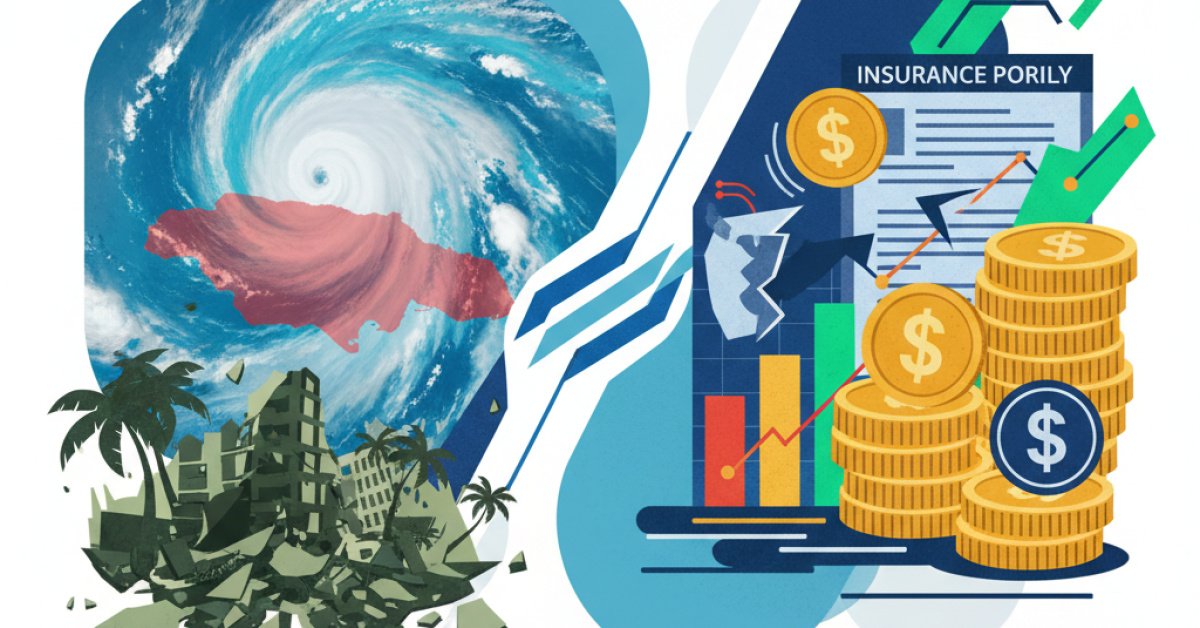
It’s a story we’ve all heard before, a classic tale of locking the barn door after the horse has bolted. But what happens when you’re still fumbling with the new lock and a whole new stampede is already thundering down the road? That’s pretty much what happened in Jamaica.
Last year, Hurricane Beryl swept through, and it wasn’t gentle. It tore through the island's power grid, leaving a tangled mess of downed lines and widespread blackouts. In the aftermath, as the cleanup began, the island’s sole utility company did what you’d expect: they made a promise. They stood up and vowed to fortify the grid, to make it stronger, tougher, and more resilient.
It was a good plan, born from a hard lesson. But plans take time. And as it turns out, time was the one thing they didn't have.
The Vow to Rebuild: A Plan on Paper
After Beryl, the talk was all about "grid hardening." It’s a term we throw around a lot in the insurance world, but it means real, tangible things. The utility laid out a series of initiatives designed to prevent a repeat disaster. We're talking about things like:
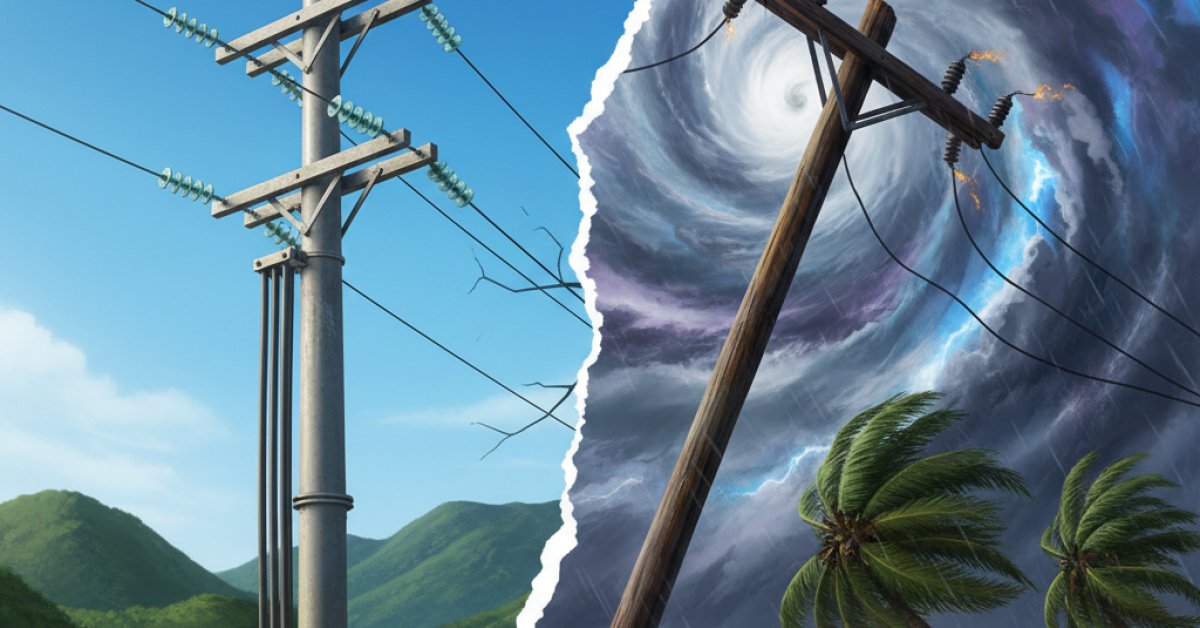
- Replacing vulnerable wooden poles with stronger, more resilient concrete or steel ones.
- Aggressively trimming back trees and vegetation that could fall and take down lines.
- Exploring options to bury some of the most critical power lines underground, shielding them from high winds.
- Improving redundancy in the system so that if one part failed, power could be rerouted more easily.
On paper, it looked great. It was the right response. It was a commitment to learning from the past and building a better future. But here’s the thing about major infrastructure projects—they move at a snail's pace. There are permits to secure, materials to order, engineers to schedule, and a whole lot of earth to move. It’s a marathon, not a sprint.
And while the utility was lacing up its running shoes, another storm was already forming out in the Atlantic. A monster.
When 'In Progress' Isn't Good Enough
The problem is, a hurricane doesn't care about your project timeline. It doesn't check in on your progress reports or respect your supply chain delays.
When Hurricane Melissa began swirling into a terrifying Category 5 storm, the utility’s grand fortification plan was still mostly just that—a plan. Some of the initial work had started, sure. You might have seen some new poles stacked up, ready for installation, or a few crews clearing vegetation. But for the most part, the grid that would face Melissa was the very same vulnerable grid that had been battered by Beryl a year earlier.
Think of it like this: Imagine your roof gets badly damaged in a hailstorm. You call the roofer, sign the contract, and they drop a pallet of shingles in your driveway. You feel good, right? You're taking action. But if a tornado hits that night, those shingles in the driveway aren't going to keep the rain out of your living room.
That’s exactly the position Jamaica was in. The solution was sitting right there, but it wasn't in place. The island was facing a heavyweight champion with the same glass jaw that had been shattered in the previous fight.
Melissa's Fury: A Test the Grid Was Destined to Fail
When Melissa made landfall, it was a worst-case scenario realized. A Category 5 storm is a force of nature that is hard to comprehend, with winds that don't just break things—they obliterate them.
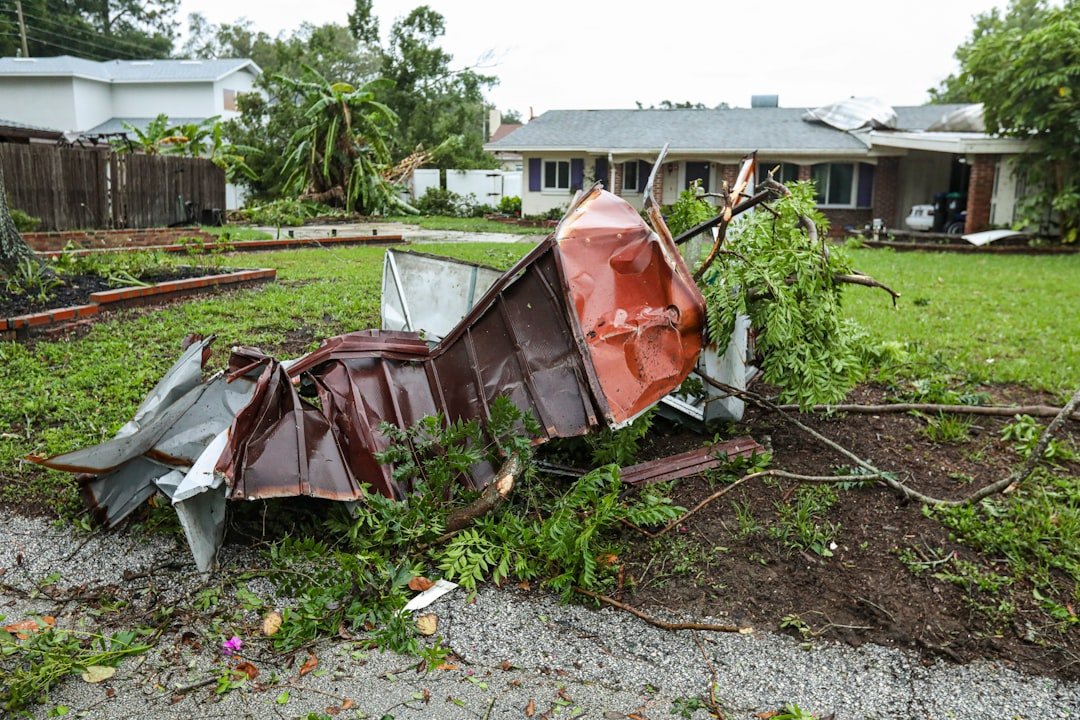
The grid didn't stand a chance. The same poles that had been weakened by Beryl were snapped in two. Lines that were slated for replacement were ripped from their moorings. The lights went out, and they stayed out. The very disaster the fortification plan was designed to prevent was happening all over again, only this time, the storm was even stronger.
For the people of Jamaica, it was a devastating and frustrating dose of déjà vu. For those of us in the risk and insurance industry, it was a brutal, real-world case study in the gap between intention and reality.
The Insurance Fallout: A Hard Look at Resilience
So, what’s the lesson here? It’s about more than just bad luck. This situation shines a bright light on some tough questions we have to ask ourselves.
The True Meaning of Risk
From an underwriting perspective, how do you price a risk like this? The utility had a mitigation plan, which is a positive sign. But a plan isn't a completed project. An insurer can't give you a discount on your premium for the fireproof safe you plan to buy. The risk is what it is right now, not what it might be in two years. This event underscores the critical importance of evaluating current, on-the-ground vulnerabilities, not just future promises.
Business Interruption on a Massive Scale
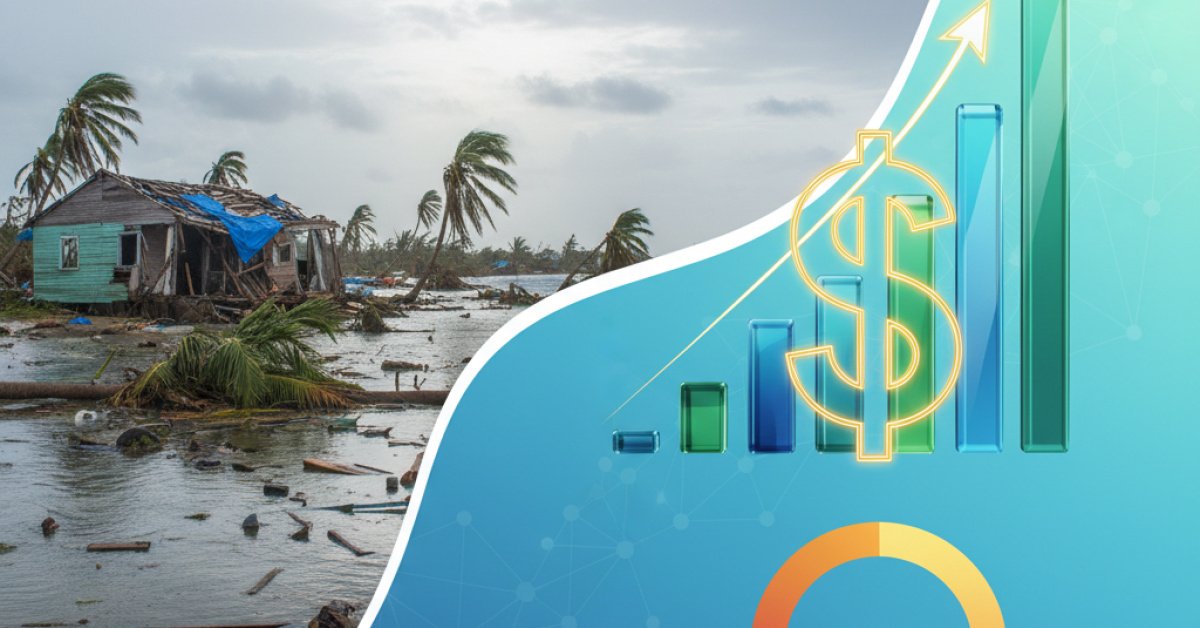
Think of all the businesses on the island—hotels, restaurants, manufacturers. When the power goes out for an extended period, they can't operate. Their losses pile up every single day. This is where Business Interruption (BI) coverage becomes absolutely essential. But Melissa’s impact raises another question: were their policies adequate? Did they account for a prolonged, island-wide outage? A second major event in two years puts incredible strain on businesses and their insurers alike.
A Powerful Case for Parametric Insurance
This is also a perfect example of where something like parametric insurance could have made a huge difference. Instead of waiting for adjusters to assess the damage to every last pole and transformer—a process that can take weeks or months—a parametric policy could have paid out automatically and quickly. These policies are triggered by the event itself. For example, a policy could be set to pay out a specific sum if a Category 5 hurricane passes within a certain distance of the island. That immediate injection of cash could be a lifeline for a government or utility, allowing them to fund recovery efforts instantly, without the red tape.
We Can't Just Hope for the Best
The story of Jamaica's grid and the back-to-back blows from Beryl and Melissa is a sobering one. It’s a powerful reminder that the time between disasters isn't a break; it's the most critical preparation window we have.
Good intentions and long-term plans are wonderful, but they don't stop the wind from blowing. This forces us to focus on speed, efficiency, and finding ways—both through engineering and through innovative insurance products—to close the gap between when we know we need to act and when we actually can.
For every community in the path of hurricanes, floods, or wildfires, the lesson is the same. We have to move with a sense of urgency, because we never know how much time we really have before the next storm starts brewing on the horizon.