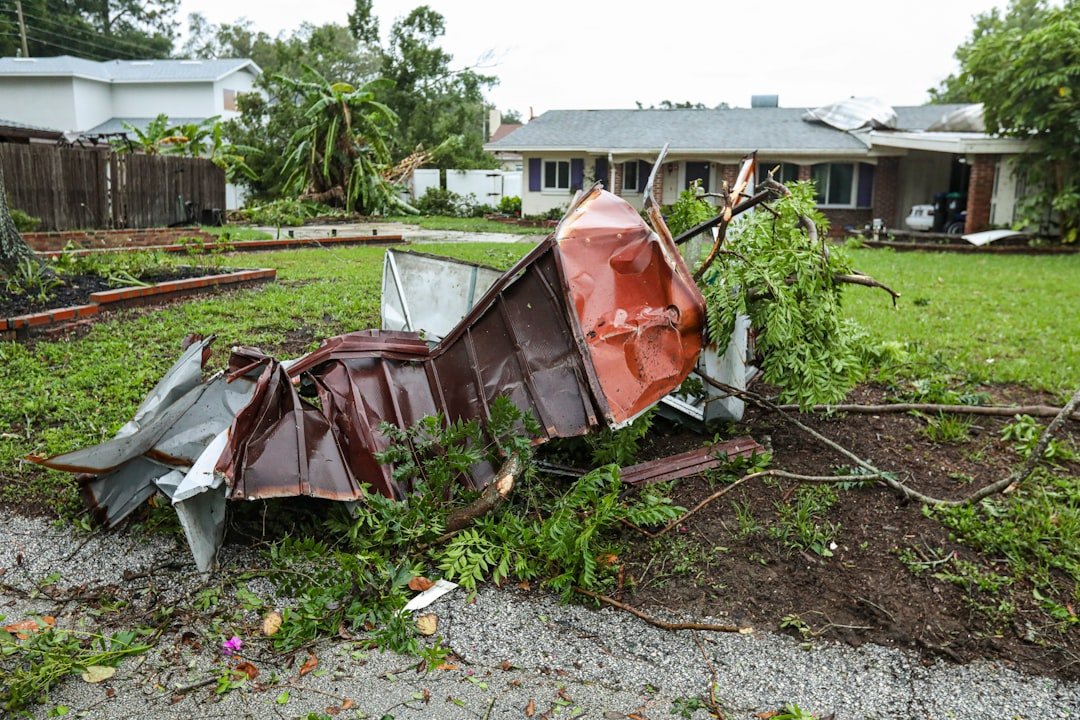
It’s one thing to watch a swirling storm on a satellite map from the comfort of your living room. It's another thing entirely to see the aftermath when the winds die down and the sun comes out. The silence can be deafening, and the reality of what just happened starts to sink in.
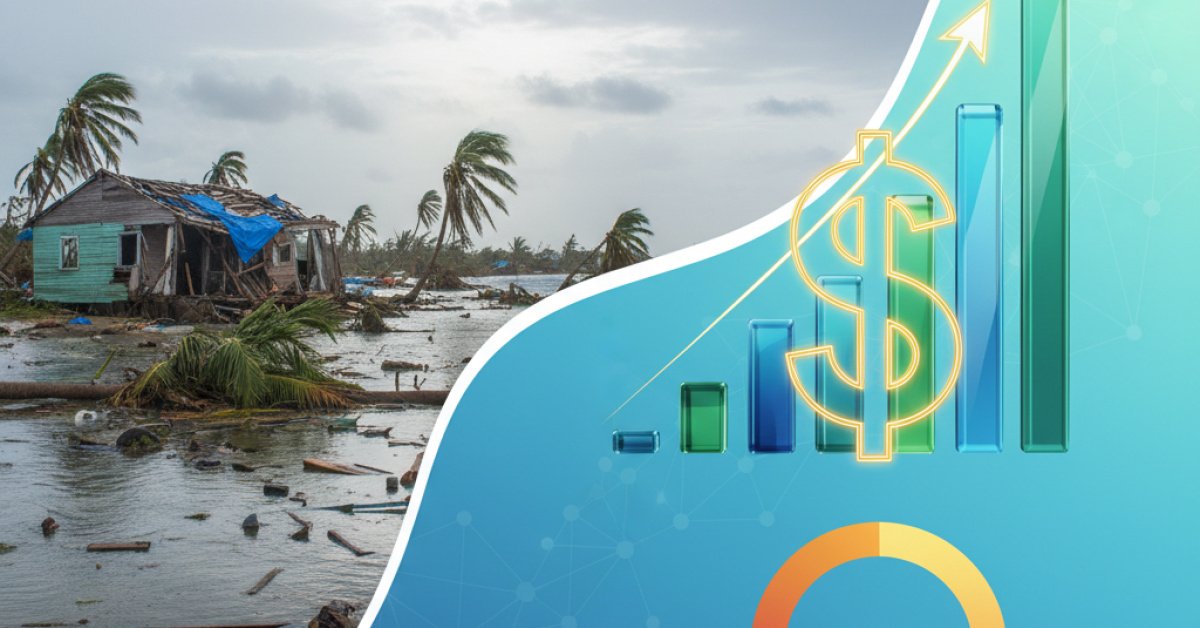
That's the reality for communities across the Caribbean right now. Hurricane Melissa has moved on, but it left a devastating mark on Jamaica, Haiti, and Cuba. The early numbers are just staggering. We're talking about at least 33 people who lost their lives, and a financial toll that’s already climbing toward $8 billion.
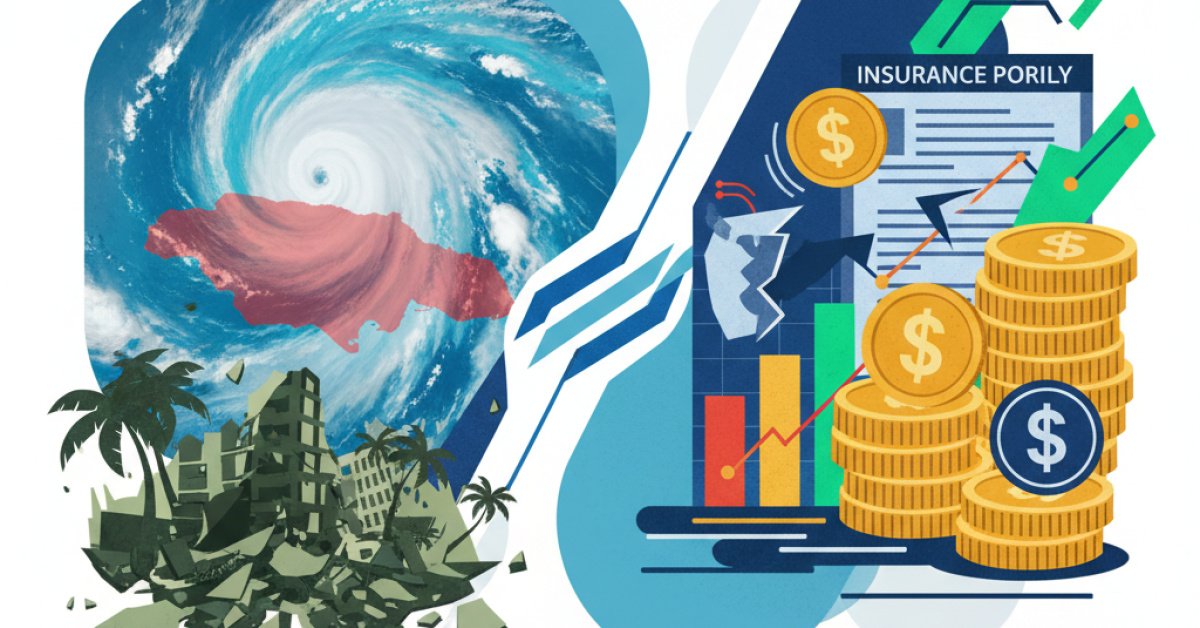
When we hear a number like "$8 billion," it's easy for it to sound abstract, like something out of a government budget. But as someone who has spent years in the insurance world, I can tell you that number is made up of thousands of individual heartbreaks. It's a family's roof, a small business owner's life savings, and a community's infrastructure, all washed away. Let’s talk about what’s really going on behind that headline.
What Does $8 Billion in Damage Actually Look Like?
Think of it this way: that $8 billion figure isn't just one big bill. It's a mosaic of countless smaller, painful losses. It’s the cost to rebuild homes ripped apart by powerful winds. It's the price of replacing inventory for shops flooded by storm surge. It's the expense of repairing roads, power lines, and hospitals.
In the insurance world, we call events like this a "catastrophe," and the response is massive. Right now, insurance companies are scrambling, moving into what’s essentially an emergency triage mode. They’re flying in special catastrophe-response teams—or CAT teams, as we call them. These are experienced adjusters who know how to navigate the chaos of a disaster zone to start assessing damage and getting money into the hands of policyholders.
The initial reports from Jamaica, Haiti, and Cuba paint a grim picture. We're seeing claims for:
- Wind Damage: This is the most obvious one. Roofs torn off, windows shattered, and entire structures compromised by the sheer force of the hurricane.
- Water Damage: This is often the bigger, more complicated mess. It’s not just rain; it’s storm surge from the ocean flooding coastal areas. This leads to issues with mold, foundation damage, and ruined belongings that are often harder to fix and more expensive to replace.
- Business Interruption: For every storefront you see with boards on the windows, there's a business owner who isn't making any money. Business interruption coverage is designed to help with lost income, but the process of proving those losses can be tough, especially when records are destroyed.
The first few weeks are critical. It’s a race against time to prevent further damage—like putting a tarp on a damaged roof—and to get families the initial funds they need for temporary housing and essentials.
The Human Side of the Ledger
We can talk about billions of dollars all day, but we can't lose sight of the most important number: 33. At least 33 people are gone. That's 33 families who are grieving, 33 communities with a hole that can never be filled.
Insurance can't bring a loved one back. It just can't. But this is where things like life insurance policies become so incredibly vital. They provide a financial cushion for a family that’s suddenly lost an income earner, helping them cover funeral costs, pay the mortgage, and just have some breathing room while they try to figure out what's next.
Beyond that, the speed of property insurance payouts has a direct impact on a community's emotional recovery. When people can start rebuilding their homes and reopening their businesses, it brings back a sense of normalcy and hope. Without that financial fuel, recovery stalls, and the emotional toll of a disaster gets even heavier.
The Big Question: How Much Was Actually Insured?
Here’s the tough reality that we in the industry always grapple with after a storm like Melissa. That $8 billion figure? That’s the economic loss. The insured loss is almost always a smaller number.
What's the difference? The economic loss is the total value of everything that was damaged or destroyed. The insured loss is the portion of that total that insurance policies will actually cover. The gap between those two numbers represents the uninsured or underinsured losses that people have to bear on their own.
In regions like the Caribbean, this gap can be huge. Many people might not have any property insurance at all, or they might have a policy that doesn't cover flooding, or their coverage limits are too low to actually rebuild their home at today's construction costs.
This is the wake-up call that storms like Melissa deliver. They brutally expose how financially vulnerable a community is. It forces us to ask tough questions about affordability, access to good insurance products, and educating people on what coverage they truly need before the storm clouds gather.
What Happens Now on the Ground
The immediate aftermath is organized chaos. Homeowners are on the phone with their insurance agents, trying to start the claims process. Adjusters are navigating blocked roads and power outages to get to damaged properties.
It's a frustrating process for everyone. Policyholders are stressed and desperate for help. Adjusters are overworked, handling dozens of claims a day. This is where patience, and good documentation, becomes a homeowner's best friend. Taking pictures and videos of all the damage, keeping receipts for any temporary repairs or living expenses—all of that becomes crucial evidence for your claim.
For Jamaica, Haiti, and Cuba, the road to recovery will be long. Rebuilding isn't just about hammering nails; it's about untangling a web of insurance claims, government aid, and personal savings. The financial decisions made in the next few months will shape these communities for years to come.
As we watch the recovery efforts unfold, the story of Hurricane Melissa becomes a powerful, real-world lesson. It’s a reminder that a good insurance policy isn't just a piece of paper you file away. It's a recovery plan. It’s a tool for resilience. And when disaster strikes, it can be the one thing that helps you start putting the pieces back together.