You see it on the news all the time, right? A huge, swirling storm, given a name like it’s a person, causing absolute chaos somewhere far away. We watch the clips from the Caribbean, see the aftermath in places like Cuba, Haiti, and Jamaica, and feel a sense of sympathy, but also distance. It’s a world away.
But here’s the thing about weather—it doesn’t respect borders. And that’s exactly what’s happening with Hurricane Melissa. After leaving a trail of destruction as a record-setting storm, it’s now making its way across the Atlantic.
So, while it’s expected to lose its "hurricane" status, its remnants are forecast to bring some seriously wet and windy weather to Northern Europe next week. This always brings up a critical question that most of us don't think about until the rain is lashing against the windows: Is my property actually insured for this kind of thing?
Let's break it down.
Wait, a Hurricane in Europe?
Okay, let's clear this up first. We're not talking about a full-blown, Category 5 hurricane making landfall in Ireland or the UK. That’s not how it works. By the time these storms cross the much colder waters of the Atlantic, they lose a ton of their energy. They get downgraded to "post-tropical cyclones" or "ex-hurricanes."
But don't let the name fool you. Think of it like a spinning top. A hurricane in the Caribbean is the top at full speed—intense and destructive. As it moves north, it starts to wobble and slow down, but it’s still spinning and can still knock over a lot of stuff if it bumps into it.
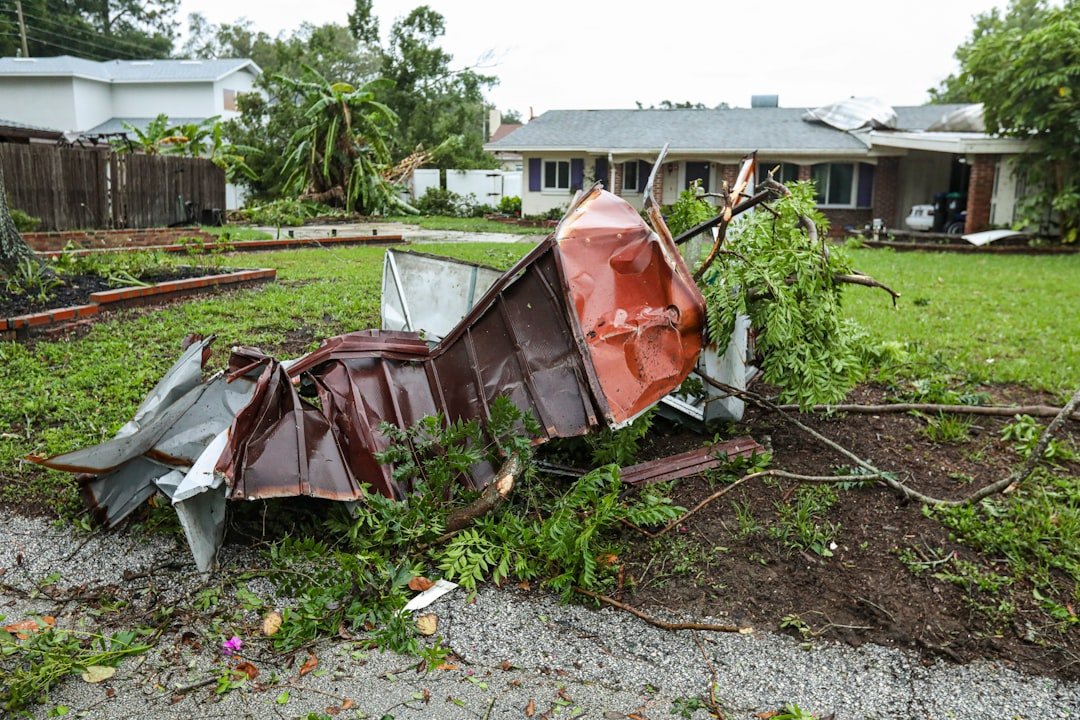
That "stuff" it can knock over is our homes, our businesses, and our sense of security. The remnants of Hurricane Melissa are still carrying a massive amount of moisture and powerful winds. That means we’re looking at the potential for localized flooding, downed trees, and wind damage.
What Kind of Damage Are We Really Talking About?
When an insurer hears "wet and windy weather," their mind immediately starts building a checklist of potential claims. This isn't just about a few garden chairs blowing over. The damage can be surprisingly extensive.
Here’s a quick rundown of what we often see after a major storm hits:
- Roof Damage: This is the big one. High winds can rip tiles and slates right off, leaving your home exposed to the rain. Even small gaps can lead to major water damage inside.
- Water Ingress: It’s not just the roof. Wind can drive rain into tiny cracks around windows and doors, causing dampness, ruined plaster, and even electrical issues.
- Flooding: All that rain has to go somewhere. If drains can't cope, you can get surface water flooding, which is a nightmare for ground-floor rooms and basements.
- Falling Trees and Branches: A strong gust is all it takes to bring down a heavy branch—or the whole tree—onto your roof, your car, or your fence.
- Business Interruption: For business owners, it’s not just about physical damage. If your premises are flooded or you lose power for days, you can't trade. That's lost income, and it can be crippling.
It all adds up, and it's exactly why we have insurance in the first place. But are you actually covered?
So, Does My Standard Home Insurance Cover This?
This is the million-dollar question, isn't it? The good news is that, for the most part, yes.
Most standard home and commercial property insurance policies in Europe include cover for "storm damage." A storm is usually defined by the insurer with specific criteria, often involving certain wind speeds (like Beaufort Force 10) or torrential rainfall.
But—and this is a big but—you absolutely have to read the fine print. Insurance is all about the details.
What to Look For in Your Policy
Grab your policy documents (or log in to your provider’s portal) and look for the sections on "Storm" and "Flood."
- Storm Coverage: This will typically cover damage caused directly by the wind and rain, like the roof tiles and falling trees we just talked about.
- Flood Coverage: This is where it gets tricky. In many policies, flood cover is treated differently. Sometimes it's included as standard, sometimes it's an optional add-on you have to pay extra for, and in high-risk areas, it might be excluded entirely or come with a very high excess (the amount you pay towards a claim). Damage from a river bursting its banks is very different from damage caused by rain getting through a hole in your roof.
It's genuinely surprising how many people I talk to who assume they're covered for flood, only to find out they aren't when it's too late. Please, don't be one of them.
The Caribbean's Devastation: A Sobering Reminder
When we look at what Hurricane Melissa did in Cuba, Haiti, and Jamaica, it’s a powerful lesson in why this stuff matters so much. The scale of the damage there is immense, and it triggers a massive, complex international insurance response.
It highlights the problem of underinsurance, where people either don't have insurance or don't have enough of it to rebuild their lives. It also shows the critical role of reinsurance—that’s basically insurance for insurance companies—which helps spread the financial risk of these mega-disasters around the globe.
While the storm hitting Europe will be a shadow of its former self, the principle is the same. An unexpected event can cause a huge amount of damage very quickly. Being properly insured is the one thing that helps people and communities get back on their feet.
What Should You Do Right Now?
Okay, enough theory. With this storm on the way, there are a few simple, practical things you can do right now to prepare.
- Find Your Policy Documents: Seriously, do it now. Locate your policy number and the 24-hour claims helpline number. Put it in your phone. If the power goes out, you don't want to be hunting for paperwork in the dark.
- Take "Before" Photos: Walk around your property with your smartphone and take pictures of everything—the roof, the fences, the inside of each room. If you need to make a claim, having clear evidence of the property's condition beforehand is incredibly helpful.
- Secure Your Garden: Put away or tie down anything that could become a projectile in high winds. Trampolines are a classic culprit!
- Check Your Gutters: Make sure they're clear of leaves. If your gutters are blocked, rainwater will overflow and can run down your walls, causing all sorts of damp problems.
- Know Your Excess: Check how much you'd have to contribute to a claim. It’s good to know what to expect so there are no nasty surprises.
Weather is one of the few things in life we have absolutely no control over. Storms will happen. But we can control how prepared we are. Taking a few moments to understand your insurance policy isn't just a boring admin task; it's one of the most powerful things you can do to protect your family and your home.
Stay safe out there, and be prepared.