Remember when winter was just… winter? You’d get some snow, maybe an ice storm, and then it would be over. It feels like a lifetime ago, doesn’t it?
Lately, it seems like every season is "storm season." We just got through a brutal winter where a storm named Fern slammed at least 34 states with ice, snow, and bone-chilling cold that stuck around for days. Tens of millions of us were affected. And the price tag for insurance companies? Billions. With a "B."
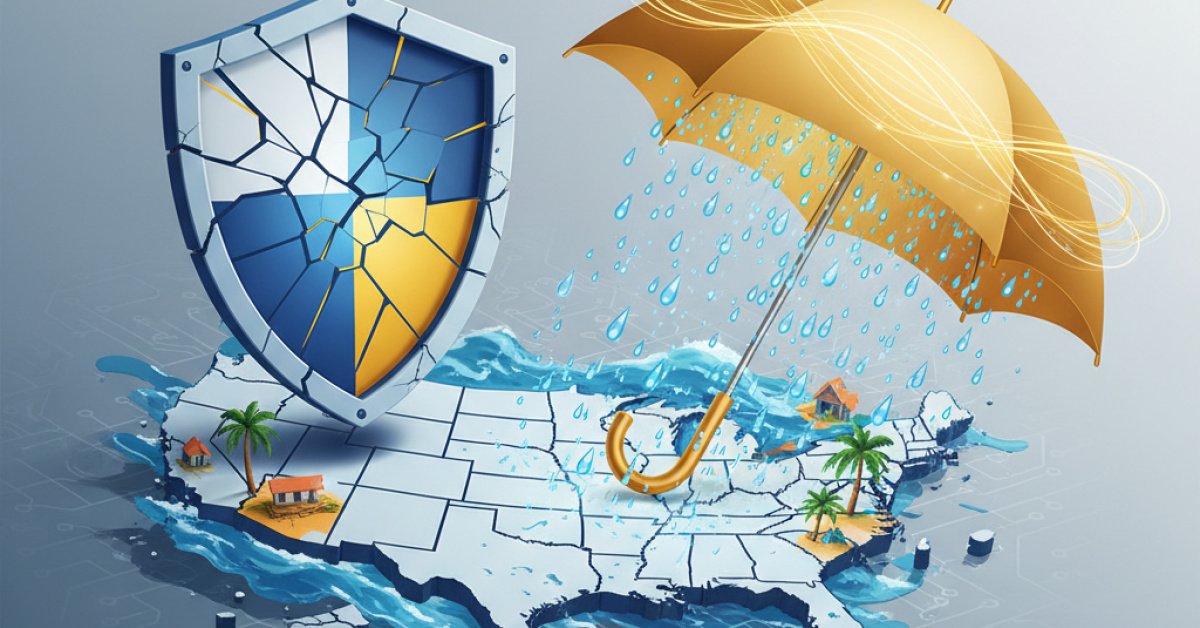
Here’s the thing: Fern wasn’t a freak event. It was a signal. It’s part of a pattern that’s completely changing the game for home insurance. If you’ve been wondering why your renewal premium looks a little scary this year, this is a big piece of the puzzle. Let's break down what's really going on.
So, Why Is My Premium Going Up Again?
It’s easy to point the finger at one bad hurricane or a season of wildfires, but the truth is a bit more complicated. Insurers are getting hit from all sides, all year long.
Think of it like this: an insurance company's job is to spread risk around. They collect premiums from everyone, knowing only a small percentage will have a major claim in any given year. But what happens when "major claims" become the norm? What happens when you get a Winter Storm Fern causing billions in damage, right on the heels of a Winter Storm Elliott that did the same, plus a brutal hurricane season and devastating wildfires?
Suddenly, the math doesn't work anymore. The pot of money they collect from premiums starts to look way too small to cover the massive, repeated payouts.
This isn't just a bad year; it's a trend. The weather is getting more extreme, more frequent, and a whole lot more expensive to clean up after. To stay in business and be able to pay claims, insurers have to do two things: bring in more money (that means raising rates) and get smarter about the risks they’re willing to take on.
The Insurance Crystal Ball Is Getting an Upgrade
For decades, insurers have used complex computer models to predict risk. But the old models were built for an old climate. They’re being rewritten right now to account for our new reality.
It’s no longer just about whether you live in a flood zone or a hurricane alley. The new models are asking much more specific questions:
- How long will a freeze last? Two days or ten?
- How heavy will the ice load be on your roof and power lines?
- How intense will the wind be?
- What about secondary damage, like the water damage that comes after the pipes burst or the smoke damage that lingers long after a wildfire is out?
As these models get smarter, the underwriting process—the part where they decide whether to offer you a policy and at what price—gets tougher.
This is why you might be getting more questions at renewal time. Underwriters are looking at your home with a magnifying glass. They're scrutinizing your home’s age, the materials it’s built with, the exact condition and age of your roof, and your personal claims history. A home that was a no-brainer to insure five years ago might now be a maybe, or even a no-go, especially if it’s in an area that gets hit repeatedly.
Your Home's New Report Card: Is It Resilient?
The big buzzword in insurance right now is "resilience." It’s a simple idea: how well can your home stand up to a punch from Mother Nature?
In the past, the main factor in pricing your policy was replacement cost—what it would take to rebuild your house from the ground up. Now, insurers are just as interested in how likely it is they’ll have to write that check in the first place.
This is actually good news for you, because it puts some of the control back in your hands. Insurers are actively rewarding homeowners who take steps to protect their property. They’re essentially giving you a pricing tool. The more resilient your home is, the better you’ll look to an underwriter.
Here are the kinds of things that can get you a better grade on your home's "report card" and maybe even a discount on your premium:
- Winter-Proofing: Insulating pipes and installing freeze-protection systems.
- A Stronger Roof: Reinforcing your roof structure and making sure your attic is properly insulated and ventilated.
- Smart Tech: Using smart-home devices that can detect a water leak or fire and alert you instantly.
- Storm Prep: Installing impact-resistant roofing or storm shutters.
- Fire Safety: Using fire-resistant building materials, especially in wildfire-prone areas.
- Water Management: Improving your property’s drainage to keep water away from your foundation.
A resilient home isn't just safer for your family; it's a much better bet for an insurance company, which can lead to more stable pricing and better long-term insurability for you.
Let's Talk About Claims and Coverage (The Nitty-Gritty)
Okay, so what happens when a storm does hit? The good news is that your standard homeowners policy generally still covers the big stuff from a winter storm: damage from the weight of snow and ice, wind, burst pipes, and even a roof collapse.
Now for the fine print. While a single claim from a huge, declared catastrophe might not cause your individual rate to spike, your overall claims history still matters. A lot. If you’ve filed a couple of claims in recent years, especially for water damage (which is a huge red flag for insurers), you could face a hefty rate increase or even a non-renewal.
You’ve also probably noticed that deductibles are changing. Many policies now have higher deductibles, and some even have separate, percentage-based deductibles for specific perils like wind, hail, or named storms. This means your out-of-pocket cost after a disaster could be significantly higher than you think.
It’s crucial to actually read your policy documents. The language is evolving. Insurers are tightening definitions, adding new exclusions, or putting new limits on secondary losses. Don't assume your coverage is the same as it was last year.
What Can You Actually Do About All This?
Feeling a little overwhelmed? I get it. But this isn't about being scared; it’s about being smart and proactive. This new weather reality isn't going away, so we have to adapt.
Your best defense is preparation. Start by pulling out your current insurance policy—yes, right now—and having a real conversation with your agent. Ask the tough questions. Do I have enough coverage to rebuild in today’s market with high labor and material costs? What are my exact deductibles for different types of storms? Am I covered for things like sewer backup?
Then, walk around your house and think like an underwriter. What are your vulnerabilities? Is your roof getting old? Are there trees with branches hanging over your house? Could you invest a few hundred dollars in pipe insulation to prevent a multi-thousand-dollar burst pipe claim?
These proactive steps—reviewing your coverage, understanding your costs, and investing in making your home stronger—are no longer just nice-to-haves. They are essential in this new climate. Storms like Fern are the new normal, and being prepared is the single best way to protect your home, your family, and your financial future.