Have you seen the headlines lately? Another major insurance company is pulling back from Florida. Or maybe it was California this time. Or Louisiana. Honestly, it’s getting hard to keep track.
For most of us, home insurance is just one of those bills we pay without much thought. It’s the safety net we hope we never have to use. But imagine getting a letter in the mail one day. It’s not junk mail. It’s a non-renewal notice from your insurance company. Suddenly, that safety net is gone.
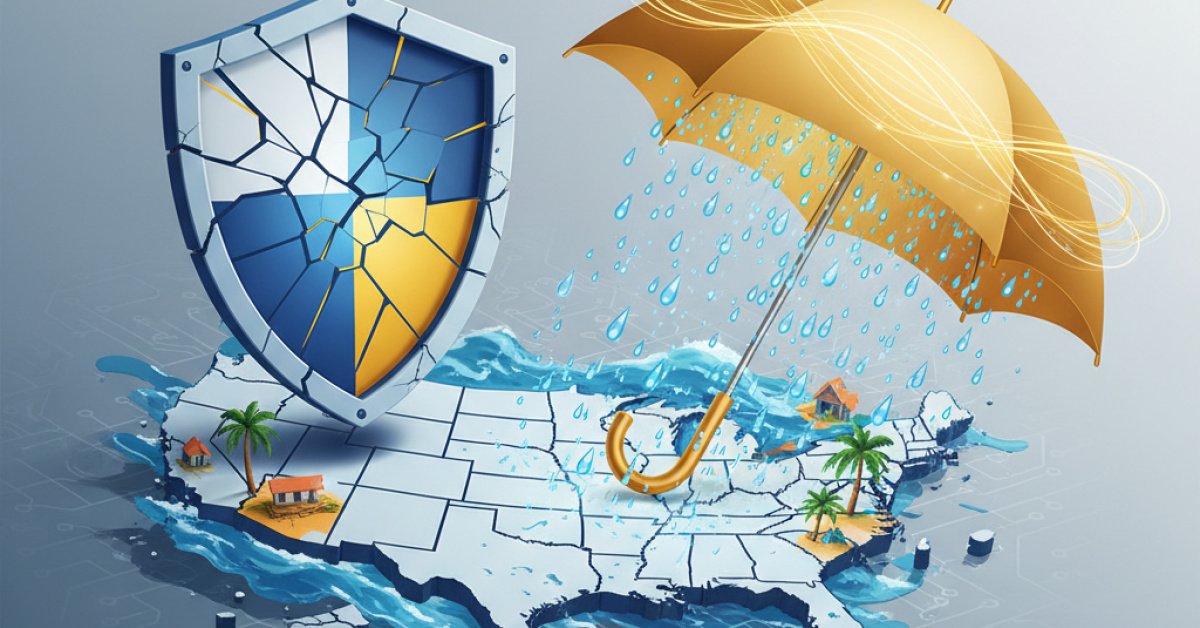
That’s the reality for a growing number of homeowners across the country. And it’s not just a personal problem for a few unlucky people; it’s a sign that our entire system for protecting ourselves from natural disasters is starting to crack. So, let's talk about what’s really going on and why the federal government might have to step in in a much bigger way.
What’s Really Happening with Home Insurance?
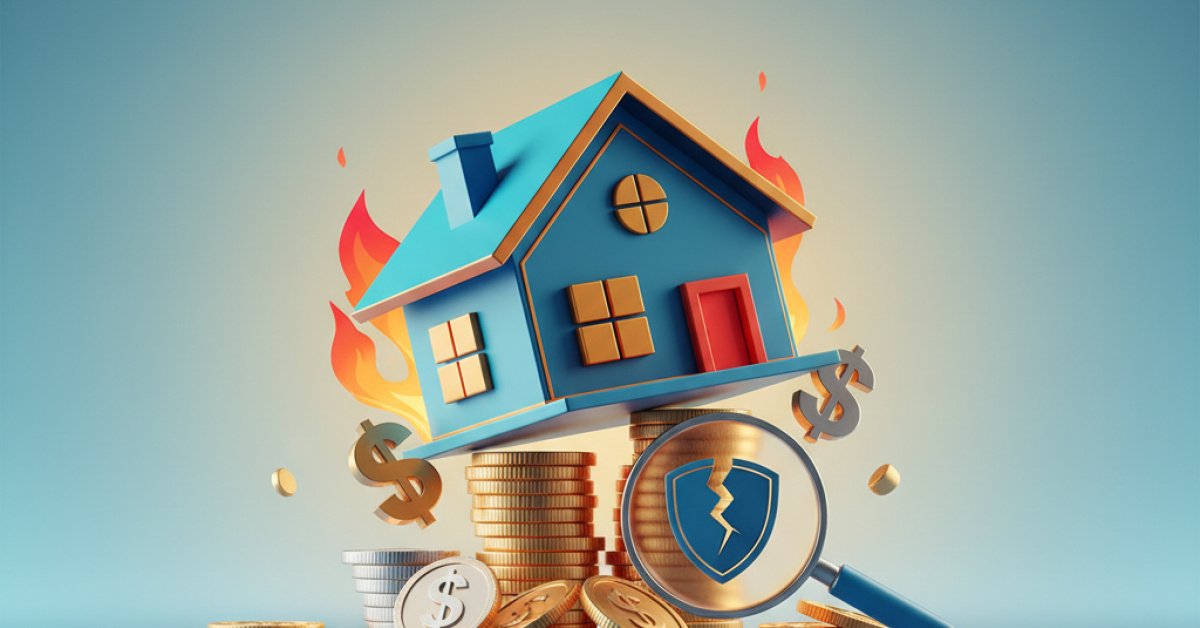
Let’s be clear: insurance companies aren’t pulling out of high-risk states because they’re mean. They’re businesses. And right now, the business of insuring homes against massive catastrophes—think hurricanes, wildfires, and severe flooding—is becoming a money-losing game.
Think of it from their perspective. They collect premiums from thousands of homeowners, hoping that the money they bring in will be more than enough to cover the claims they have to pay out. For a long time, that math worked.
But now, with disasters becoming more frequent and more destructive, the numbers are getting scary for them. A single hurricane or a season of wildfires can wipe out years of profits. So, they’re doing what any business would do: they’re reducing their risk. They’re raising rates sky-high, tightening their rules, or just packing up and leaving entire states.
This creates what we in the industry call a "coverage gap." It’s a nice, clean term for a very messy situation where people who need insurance the most can't get it, or certainly can't afford it.
This Isn't Just a "You" Problem, It's an "Us" Problem
It’s easy to think, "Well, that's too bad for people who live on the coast or in the woods." But the ripple effects of this crisis hit all of us.
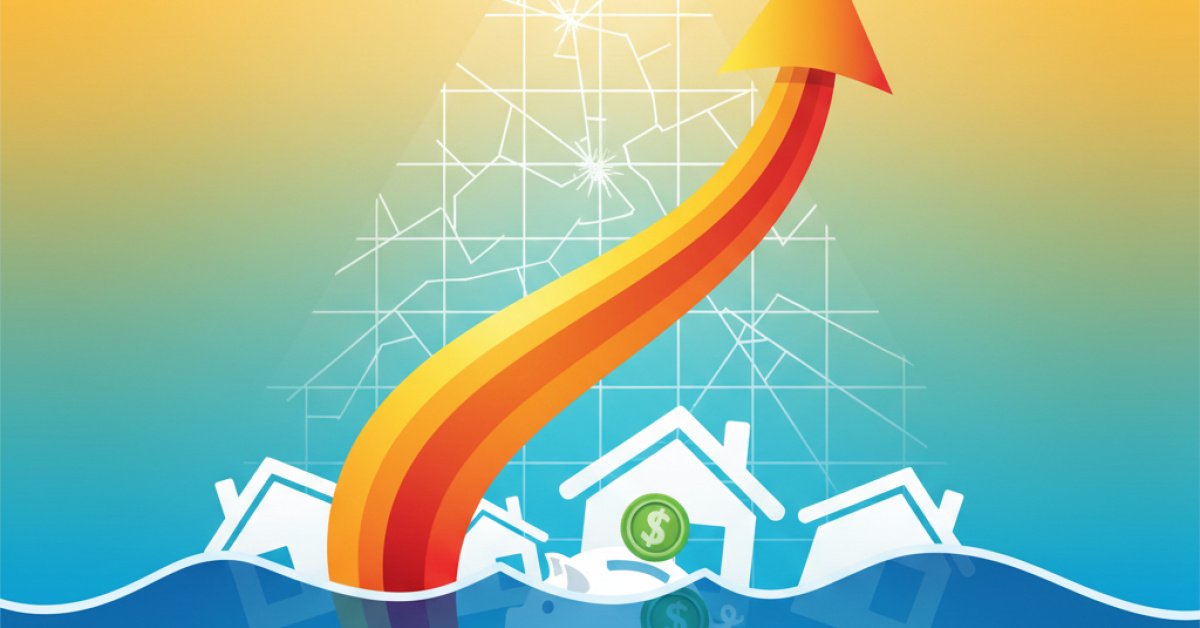
Here’s the thing: you can't get a mortgage without home insurance. Lenders demand it to protect their investment. So, when insurance becomes unavailable, the real estate market grinds to a halt. People can't sell their homes. Buyers can't get loans. Property values can plummet.
And what happens after a disaster strikes an area with thousands of uninsured or underinsured homes? People can’t afford to rebuild. Businesses can’t reopen. The entire community struggles to recover, and that often requires massive, last-minute government bailouts funded by, you guessed it, all of us as taxpayers.
So, even if you live in a low-risk state, the instability in these high-risk markets eventually finds its way to you.
The Government Is Already Involved, But Is It Enough?
This isn’t a brand-new problem, and the government already has a few tools to deal with it. You’ve probably heard of the National Flood Insurance Program (NFIP). It was created decades ago because private insurers didn’t want to cover flood risk.
There are also state-level programs, often called FAIR Plans. These are basically state-mandated insurance pools that act as an insurer of last resort for people who can’t find coverage anywhere else.
But here’s the catch: these programs were never designed to be the primary insurer for millions of people. They were supposed to be a backstop. As a result, they often offer less coverage, come with more restrictions, and can be incredibly expensive. They are a patch on a leaky pipe, and the pressure is building. The NFIP is billions of dollars in debt, and state FAIR plans are getting overwhelmed.
The Big Idea: A Stronger Federal Safety Net
When the private market fails and the current government programs are straining, you have to ask: what’s next? This is where the conversation about expanding federal disaster insurance comes in.
The idea isn’t necessarily for the government to take over and sell every home insurance policy. Instead, it’s about creating a more stable foundation that allows the private market to function.
What could this look like? A couple of big ideas are floating around:
- A National Catastrophe Program: This could be a broader program that covers multiple perils, not just floods. It would provide a baseline of protection for everyone, especially for the kind of mega-disasters that can bankrupt private companies.
- A Federal Reinsurance Program: This is a bit more behind-the-scenes, but it's a powerful concept. Reinsurance is basically insurance for insurance companies. A federal reinsurance program would sell backup coverage to private insurers, capping their potential losses from a huge disaster. If insurers know their worst-case scenario is limited, they’re much more likely to stay in the market and offer affordable policies.
The goal here isn't to push private companies out. It's to create a partnership where the government handles the most extreme, unpredictable risks, and private insurers handle the rest.
Let's Be Honest, There Are No Easy Answers
Now, is expanding the government’s role a perfect solution? Of course not. It’s complicated, and anyone who tells you otherwise isn't being straight with you.
There’s the very real concern of "moral hazard." If the government provides a universal safety net, does it encourage people to keep building multi-million dollar homes in areas we know will eventually be underwater or burn down? It’s a fair question. Any program would need to be paired with stronger building codes and smarter land-use policies.
And then there's the biggest question of all: who pays for it? Should taxpayers in Nebraska subsidize coastal homes in Florida? Or should the cost be borne only by those who live in high-risk areas? These are tough, political questions without easy answers.
But here’s my take: doing nothing is a choice, and right now, it feels like the most dangerous choice of all. The current path is unsustainable. We’re watching our system for managing risk fall apart in real-time.
We need to have a serious, grown-up conversation about what we’re going to do. The world is changing, our climate is changing, and the risks we face are changing. It only makes sense that our financial tools for dealing with that risk need to change, too. This isn't just an insurance issue anymore; it's about the fundamental security of our homes and our communities.