You see some wild headlines scroll across your screen every day, but this one really stopped me in my tracks.
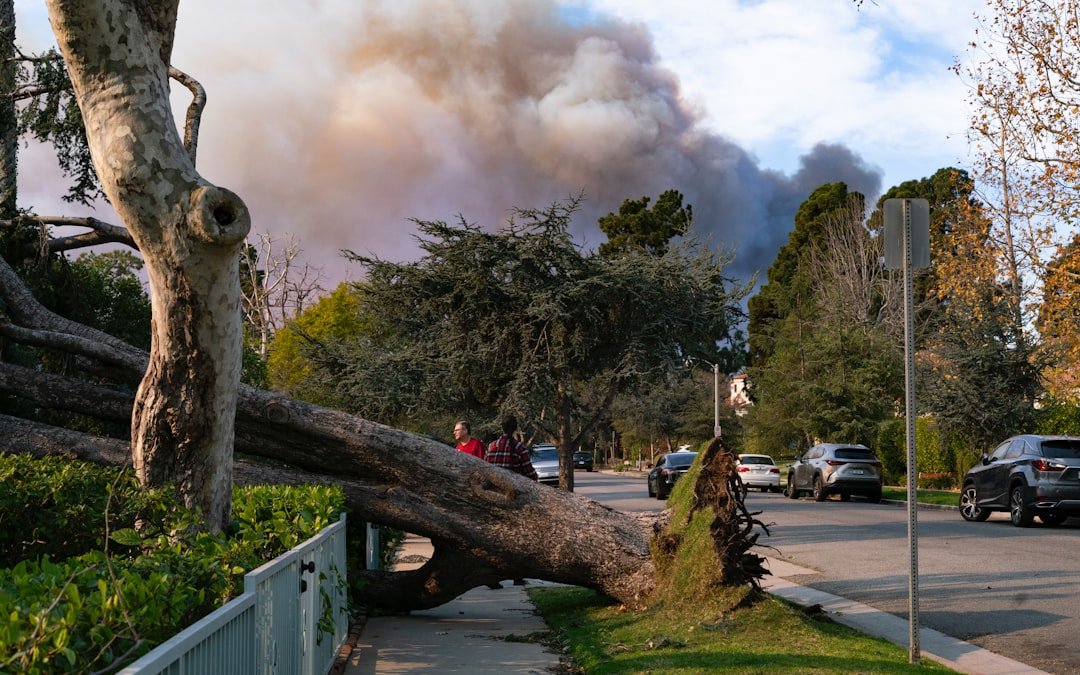
Prosecutors in Los Angeles are saying the man charged with starting the deadly 2025 Palisades Fire did it because he was upset. Not just a little upset. Apparently, a relationship had just ended, and he didn’t have a date for New Year’s Eve. So, he allegedly set a small fire. A fire that, six days later, roared back to life and became a devastating inferno.
It’s a tragic story, first and foremost. But as someone who lives and breathes insurance, my mind immediately went to the homeowners in that area. When you see your neighborhood on the news, threatened by a fire started for such a bizarre, human reason, you have to wonder: "Am I even covered for that?"
It’s a fantastic question. We tend to think of wildfires as these big, impersonal acts of nature—a lightning strike, a downed power line. But the reality is, a huge number of them are started by people. Sometimes by accident, and sometimes, like in this case, on purpose. So let's talk about it. What does this strange and sad story actually mean for your insurance policy?
So, Does Your Policy Care Why a Fire Started?
Here’s the short answer, and it might surprise you: For the most part, no.
When you have a standard homeowner's insurance policy, it’s designed to cover damage from fire. Period. The policy doesn’t really play detective on the motive behind the flames. Whether the blaze was started by a lightning strike, a faulty wire, a forgotten candle, or, yes, an arsonist having a really, really bad day, your coverage for the structure of your home and your personal belongings should kick in.
Think of it like this: your policy is a contract to protect your property from specific perils, and "fire" is one of the big ones. It doesn't usually come with a long list of asterisks about how the fire had to start to be covered. The focus is on making you whole again after the damage is done.
That’s a huge relief, right? You don’t have to worry that your claim will be denied because the cause was something as unpredictable as a stranger’s heartbreak.
The One Giant Exception to the Rule
Now, there is one critical exception, and it's the one you'd probably guess. Your policy won't cover you if you are the one who intentionally set the fire.
Every insurance policy has what’s called an "Intentional Acts Exclusion." It basically says that we won't pay for damage you cause on purpose. It makes sense, right? Otherwise, someone could buy a huge policy on a home, burn it to the ground, and walk away with a big check. That's insurance fraud, and it's a serious crime.
In the Palisades Fire case, the suspect was allegedly burning a hillside, not his own insured property. For the innocent homeowners whose properties were damaged, their policies should respond. The "intentional act" was committed by a third party, and that's exactly the kind of unexpected risk insurance is designed to protect you from.
"Subrogation": The Insurance Word for Getting Even
Okay, so your insurance company pays to rebuild your home and replace your things. But what about the person who started the fire? Do they just get away with it, financially speaking?
This is where a fascinating and powerful insurance concept called "subrogation" comes into play.
Don't let the legal-sounding word scare you. Subrogation is actually pretty simple. Once we pay your claim, we gain the legal right to "step into your shoes" and go after the party responsible for the damage to recover the money we paid out.
So, in a situation like the LA fire, here’s how it would work:
- You file a claim with us for the damage to your home.
- We investigate, approve the claim, and pay you to repair, rebuild, and replace your lost items. You get to start putting your life back together.
- Then, our legal team turns its attention to the convicted arsonist. We would sue them to recoup the hundreds of thousands (or millions) of dollars we paid for the claims.
This process is a win-win for you. You get your money quickly without having to personally sue the arsonist, which can be a long, expensive, and emotionally draining process. And, it ensures that the responsible person is held financially accountable for the destruction they caused.
The Real Lesson Here: You Can’t Insure Against Human Nature
When you boil it down, this whole story is a powerful, if grim, reminder of why we even have insurance.
You can do everything right. You can clear brush around your home, install fire-resistant roofing, and have an evacuation plan. You can prepare for the known risks. But you can’t prepare for the complete unpredictability of human behavior. You can’t control if a neighbor leaves a barbecue unattended or if a stranger, angry at the world, decides to light a match.
These are the random, senseless risks that can turn your life upside down in an instant. And that randomness is the very essence of insurance. It’s a tool that allows a community to pool its resources to protect individuals from catastrophic events that are impossible to predict but devastating when they happen.
It’s a strange thing to think about, but your homeowner's policy isn't just protecting you from wind and hail. It's protecting you from the financial fallout of someone else's very bad day. It’s a safety net for the unexpected, and as this story shows, the unexpected can be stranger than you could ever imagine.