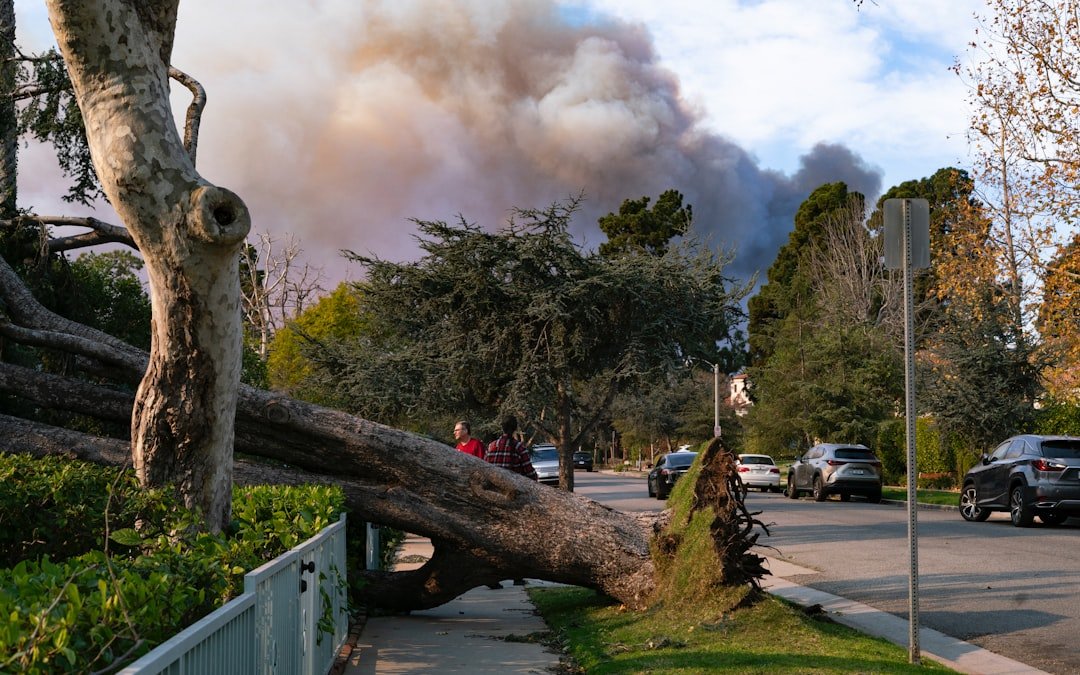
If you’ve ever lived anywhere near a wildfire, you know the smell. It’s that acrid, campfire-gone-wrong scent that seeps into everything—your clothes, your furniture, your carpets. It lingers for weeks, a constant, unsettling reminder of the disaster that was thankfully kept at bay.
But what happens when that smoke isn't just a smell? What happens when it’s an invisible invader, leaving behind a toxic film of soot, ash, and chemicals all over your home?
For thousands of California homeowners, this has been a frustrating, heartbreaking reality. You know your home isn't right. You can feel it in your throat, you see the fine layer of dust on everything, but getting your insurance to cover a proper cleanup has felt like an impossible fight. Until now, there's been no clear standard, no rulebook. It's been your word against the insurance adjuster's.
Well, it looks like that’s finally about to change. California is stepping in to create the nation’s very first set of standards for dealing with wildfire smoke damage claims. And honestly, it’s a huge deal.
The Wild West of Smoke Damage Claims
Let me paint a picture for you. Imagine a wildfire burns a few miles from your home. You were evacuated, but your house is still standing—a huge relief. But when you return, the smell is overwhelming. You hire an industrial hygienist who finds soot and toxic particles in your air ducts and attic.
You file a claim, providing the report. But your insurance company sends out their own adjuster who says, "Eh, it just smells like smoke. A little air freshener and a surface wipe-down should do it."
Who's right? How do you prove the extent of the damage? This is the exact "gray area" that homeowners have been trapped in for years. There have been no consistent, science-based rules for what constitutes smoke damage, how it should be tested, or what a proper cleanup looks like. It’s led to endless disputes, underpaid claims, and families forced to live in homes that may not be safe.
It's been a guessing game, and homeowners have been losing.
So, What's California Actually Changing?
Think of this new legislation as the state finally writing a clear, official rulebook for the game. Instead of letting each insurance company make up its own rules, California is creating a set of uniform standards that everyone has to follow.
This is about creating a "bright line" – a clear, undeniable standard for when a property is considered contaminated by wildfire smoke and what needs to be done about it.
Here’s what the new guidelines are expected to cover:
1. Standardized Testing
This is probably the most important piece of the puzzle. The new rules will establish a clear, scientific method for testing a property for smoke contamination.
No more vague "sniff tests." We're talking about setting specific thresholds for things like char, ash, and other toxic byproducts of a fire. An inspector will be able to take samples from your home and say, "Yes, the level of contaminants is above the state-mandated safety threshold, which means a professional cleanup is required."
This gives you, the homeowner, concrete evidence to support your claim.
2. Clear Cleanup Protocols
What does "clean" even mean? Does it mean wiping down the counters? Or does it mean a top-to-bottom remediation that includes cleaning out your HVAC system, professionally cleaning all your textiles, and using special equipment to scrub the air?
The new standards will define exactly what a proper cleanup entails. This will help ensure that the job is done right the first time, removing the harmful particles instead of just masking the smell. It takes the guesswork out of the restoration process for both you and the contractor.
3. A Real Definition of "Safe to Re-enter"
One of the most stressful parts of this whole ordeal is not knowing if your home is truly safe for your family, especially if you have kids or someone with asthma. These new rules will create a clear standard for when a home can be declared officially "clean" and safe to live in again.
This isn't just about property damage; it's a public health issue. Having a clear, state-approved green light for re-entry will provide incredible peace of mind.
What This Really Means for You as a Homeowner
Okay, let's break this down. Why should you care about this new legislation?
For starters, it levels the playing field. It gives you power. Your claim will no longer be based on a subjective opinion but on scientific data that holds up. If the tests show contamination, the path forward for your claim becomes much, much clearer.
We should see fewer unfairly denied claims for smoke damage. It will be harder for an insurer to argue that a deep cleaning isn't necessary when state regulations, backed by testing, say it is.
Ultimately, this should make the claims process faster and less adversarial. When everyone is working from the same playbook, there's less to argue about. You can focus on getting your home and your life back to normal, instead of fighting a prolonged battle with your insurance company.
Is This Bad News for Insurance Companies?
You might think so, but not necessarily. While it might lead to more comprehensive (and expensive) payouts for smoke claims, it also provides something insurers crave: predictability.
Clear standards mean they can more accurately price their policies and manage their risk. It gives their adjusters a straightforward process to follow, reducing ambiguity and the potential for costly lawsuits down the line. When the rules are clear for everyone, the entire system just works more smoothly.
This is a step toward a more transparent and fair process for everyone involved. It’s been a long time coming, and for anyone who has had to live with the uncertainty and anxiety of wildfire smoke, it's a welcome breath of fresh, clean air. Other states will definitely be watching to see how this works, because sadly, this is a problem that isn't going away.