You know that feeling when you smell a faint whiff of smoke? Your head pops up, you start sniffing the air, and your heart does a little pitter-patter until you realize your neighbor is just having a bonfire. It’s a primal, instant reaction.
Now, imagine that smell is inside your own home. Imagine the smoke alarm shrieks, and before you can even process it, the unthinkable happens.
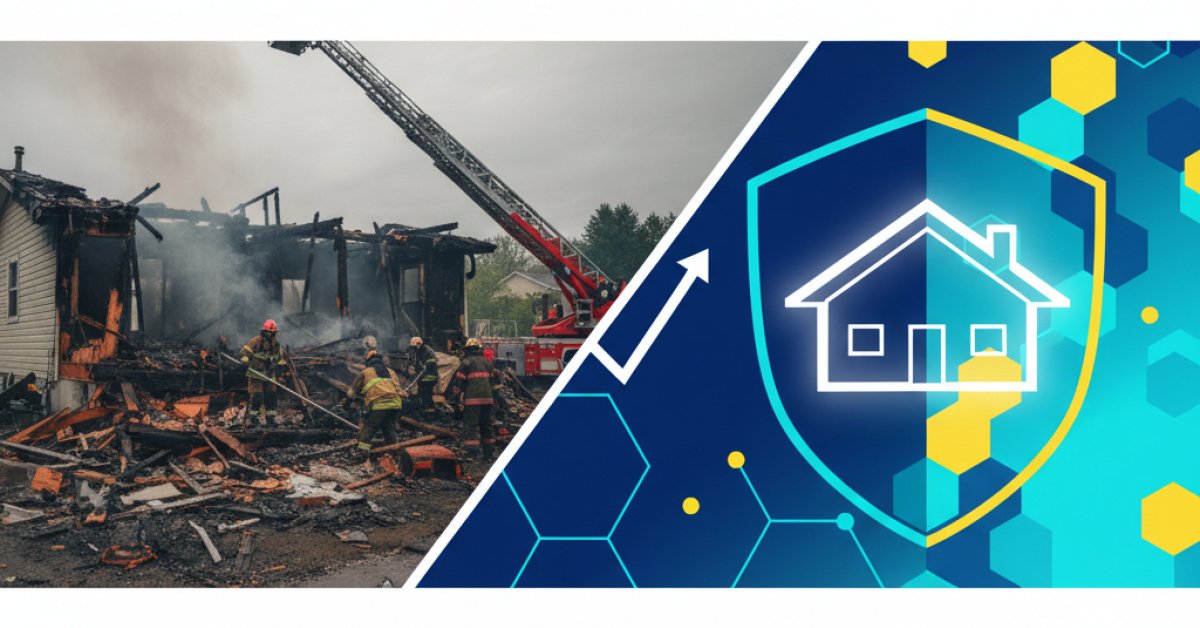
That nightmare became a reality for a family in North Carolina recently. A house fire turned into a full-blown explosion in the Piedmont region, and when the dust settled, 11 firefighters and two other people were injured. It’s the kind of story that makes you stop scrolling and just stare at the headline.
According to Salisbury Fire Chief Bob Parnell, the firefighters’ injuries weren't life-threatening, thank goodness, but they were still hurt badly enough to need treatment for contusions and other issues. These are the people who run towards the danger we all run from, and even they were caught in the blast.
It’s easy to see a story like this and think, “That’s awful,” before moving on with your day. But as someone who lives and breathes insurance, I see these headlines and my mind immediately goes to the family. After the fire trucks leave and the news crews pack up, they’re left standing there, looking at a pile of rubble that used to be their home.
And that’s when the biggest question hits them: What now?
How Does a House Even Explode?
It sounds like something out of a movie, right? But it’s surprisingly more common than we think. While the exact cause of the North Carolina explosion is still being investigated, these things usually happen for a few terrifyingly ordinary reasons.
Think about what runs through your house:
- Natural Gas or Propane: A tiny leak from a furnace, water heater, or even a stove can fill a space with combustible gas. All it takes is a single spark—flipping a light switch, the kick of a refrigerator compressor—to cause a devastating explosion.
- Faulty Wiring: Old, frayed, or improperly installed electrical wiring can arc and ignite nearby materials, leading to a fast-moving fire.
- Flammable Liquids: Things we all have in our garages, like gasoline, paint thinner, or solvents, can create explosive vapors if not stored correctly.
The point is, the ingredients for disaster can be hidden right inside our walls. It’s a sobering thought, and it’s exactly why having the right insurance isn’t just a good idea—it’s a lifeline.
The Big Question: Does Home Insurance Actually Cover Explosions?
Let’s get right to it. The short answer is, yes, almost always.
A standard homeowner's insurance policy (often called an HO-3 policy) is designed for exactly this kind of catastrophic event. Fire and explosions are considered "covered perils," which is just insurance-speak for "bad things we'll pay for."
But it's not just about a single check to rebuild the house. A good policy is like a multi-tool, with different parts designed to help you with specific problems after a disaster.
Here’s what typically kicks in:
1. Dwelling Coverage (Your Home's Structure) This is the big one. It’s the coverage that pays to repair or completely rebuild your house. The key here is making sure you have enough coverage. The price you paid for your home has nothing to do with what it will cost to rebuild it today, especially with construction costs going through the roof. We’ll talk more about that in a minute.
2. Personal Property Coverage (All Your Stuff) I want you to mentally walk through your house right now. Think about every single thing you own: your couch, your TV, the clothes in your closet, the forks in your drawer, your kid’s favorite teddy bear.
Now, imagine it’s all gone.
Personal property coverage is what helps you replace all of it. This is a massive, emotionally draining task, and having the financial backstop to do it is critical.
3. Additional Living Expenses (ALE) This might be the most important and overlooked part of your policy. If your house is destroyed, you can't live in it. So where do you go? A hotel? A rental?
ALE coverage pays for those costs. It covers the hotel bills, the cost of renting a temporary apartment, and even the extra expense of having to eat out more because you don't have a kitchen. It’s designed to maintain your normal standard of living while your home is being rebuilt, which can sometimes take more than a year. Without it, families can face financial ruin just trying to live somewhere.
4. Liability Coverage (Protecting Your Assets) What if that explosion sent debris flying and damaged your neighbor’s roof or, even worse, injured someone? That’s where your liability coverage comes in. It protects you financially if you’re found responsible for damages or injuries to other people. In a situation like a house explosion, this coverage is absolutely essential.
The "Gotchas": Where Your Coverage Can Fall Short
Seeing that "yes, you're covered" is a relief, but please, don't stop there. The details buried in your policy documents are what really matter. I’ve seen too many families assume they were fine, only to discover huge financial gaps after a tragedy.
Here are a couple of things you need to check on your own policy, like, today:
Are You Underinsured? This is the most common trap. Let's say you bought your house ten years ago for $250,000 and insured it for that amount. Today, with labor shortages and the soaring cost of lumber and materials, it might cost $400,000 to rebuild that exact same house. If you haven’t updated your dwelling coverage, you’ll be on the hook for that $150,000 difference. You need to be insured for the replacement cost of your home, not its market value.
Replacement Cost vs. Actual Cash Value for Your Stuff This one is huge. Let's talk about your five-year-old laptop.
- Actual Cash Value (ACV): The insurance company would give you what your five-year-old laptop is worth today. Maybe a couple hundred bucks.
- Replacement Cost Value (RCV): They give you enough money to go out and buy a brand new, similar laptop.
You want RCV coverage for your personal property. It costs a little more, but it’s the difference between getting a check for a few thousand dollars and getting a check that actually allows you to replace what you lost.
The story out of North Carolina is a tragedy, but it’s also a powerful wake-up call for the rest of us. It reminds us that our homes, our safe havens, are vulnerable. While we can’t prevent every accident, we can build a strong financial safety net.
So, do yourself a favor. Don’t just file your insurance policy away. This week, pull it out. Read through the declarations page. Look for terms like "Replacement Cost" and check your coverage limits. If you feel your eyes glazing over or you're not 100% sure what you're looking at, call your insurance agent. Ask them to walk you through it. Ask them, "If my house burned down tomorrow, am I truly covered to rebuild everything?"
That 20-minute conversation might just be the most important one you have all year.