Imagine you’ve found a lovely home in a quiet, semi-rural town. It’s peaceful. You’re surrounded by nature, maybe even one of those picturesque cranberry bogs Massachusetts is famous for. Life is good.
Then one day, the rumbling starts. Heavy trucks, the beeping of excavators, the constant drone of machinery. It turns out your quiet neighbor, a cranberry grower, has a side hustle: excavating and selling sand. For four years, that was the reality for Larry Lewis of Cranberry Village. The noise was a headache, for sure. But the real problem, the one that could hit his wallet and his home’s foundation, was something far more serious.
This is one of those weird, specific situations that most of us never think about. But it’s a perfect example of a major gap in insurance coverage that can leave homeowners feeling completely stranded. So let’s talk about what’s really going on here, and what it means for your own insurance policy.
It’s Not Just the Noise, It’s What’s Happening Underground
When you hear about a sand and gravel operation, you probably think of the obvious annoyances—dust, noise, and big trucks tearing up the local roads. And those are all legitimate concerns. For Larry Lewis, the sounds from the A.D. Makepeace company's excavation site were a constant nuisance.
But the real danger is silent.
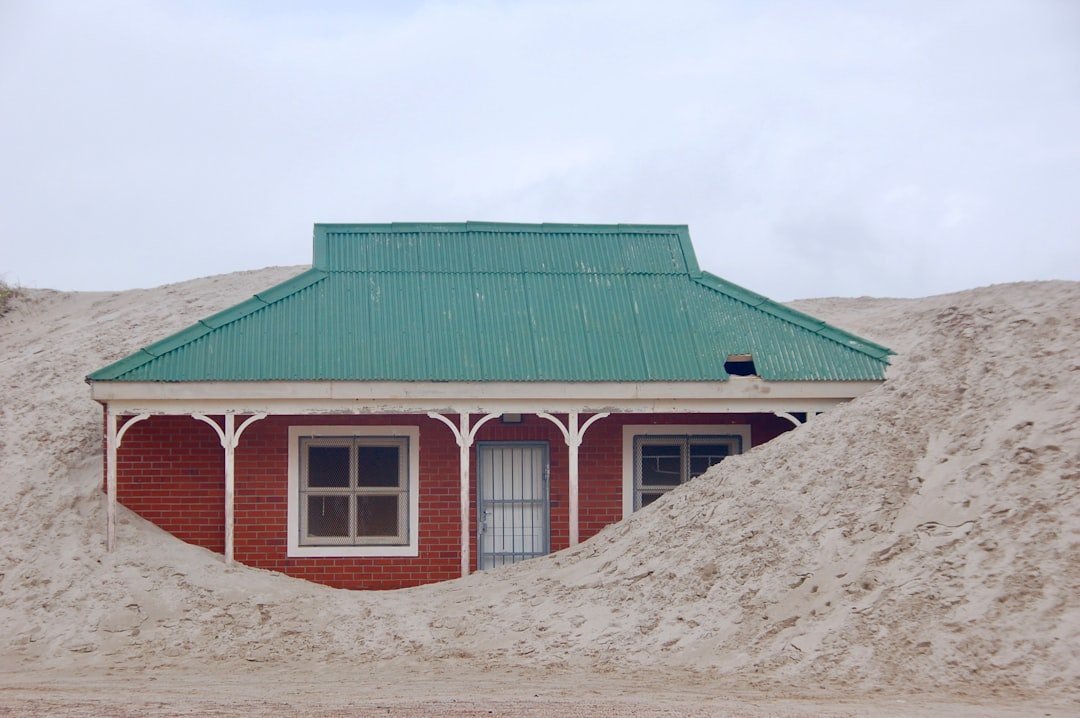
Think of the ground under your house like a big, complex Jenga tower. Everything is balanced. The soil, the rock, and especially the water table all work together to keep your foundation stable. When a company starts scooping out tons and tons of sand from a nearby property, they’re essentially pulling out crucial pieces from that Jenga tower.
Excavating sand can dramatically alter the local water table and change how groundwater flows. This can lead to soil instability and, in the worst-case scenario, subsidence. That’s a fancy word for the ground gradually sinking or shifting. And when the ground under your house starts to move, your foundation is in serious trouble. We’re talking about cracks, shifting walls, and potentially catastrophic structural damage.
The Big Question: Will Your Homeowner's Insurance Cover It?
Okay, so your neighbor’s sand pit is causing your house to slowly sink and crack. That’s exactly what insurance is for, right? You pay your premiums every month for peace of mind against property damage.
I wish I had better news for you, but the answer is almost certainly no.
Here’s the thing about a standard homeowner's policy (often called an HO-3 policy): it’s designed to cover "sudden and accidental" events. A fire, a tree falling on your roof during a storm, a burst pipe—those are sudden and accidental.
The kind of damage caused by a nearby excavation, however, is the exact opposite. It’s:
- Gradual: It happens slowly over months or years.
- Expected: It’s a foreseeable consequence of an ongoing industrial operation.
- Caused by "Earth Movement": This is the killer exclusion. Virtually every standard home insurance policy has a clause that excludes damage from earth movement, like subsidence, shifting soil, and sinkholes (unless you buy a special add-on, which is rare and often unavailable).
Insurance companies see this as a business risk created by the excavator, not a random accident that should be covered by your policy. They’ll point to the "earth movement" exclusion and, nine times out of ten, deny the claim.
A Strange Conflict: Saving the Coasts by Risking Inland Homes
So why is this happening in the first place? Why are cranberry growers digging up massive pits of sand? It turns out, there’s a huge demand for it.
The very same sand that’s supporting homes near cranberry bogs is desperately needed to protect multi-million dollar homes along the coast. Coastal erosion is a massive problem, and one of the main ways communities fight it is through "beach nourishment"—basically, dumping enormous amounts of sand onto beaches to rebuild them.
This creates a bizarre and frustrating conflict. The sand is being taken from one community to protect another, leaving the inland homeowners to pay the price. The A.D. Makepeace company, a major cranberry grower, found a profitable new revenue stream in selling this sand. But for people like Larry Lewis, that profit comes at the potential cost of their single biggest investment: their home.
What Can You Do If This Is Happening to You?
If you find yourself in this situation, you’re in a tough spot. An insurance claim is likely a dead end. But that doesn’t mean you’re powerless. Your options just shift from an insurance issue to a legal and community one.
Here’s what you should be thinking about:
-
Review Your Policy Anyway: Call your agent and ask them to walk you through the "earth movement" and "subsidence" clauses in your policy. Don't just take my word for it; understand exactly what your specific contract says. Knowledge is power.
-
Document Everything: I mean everything. Keep a detailed log of the noise, including dates and times. Take photos of your home's foundation, walls, and the surrounding land before you see any damage. If cracks start to appear, document them with photos and measurements. This evidence is crucial if you decide to take legal action.
-
Get to Know Your Local Zoning Board: Find out what the local ordinances are for excavation and mining. Was the operation properly permitted? Are they violating any noise or environmental regulations? Attending town meetings and raising your concerns can put pressure on local officials to act.
-
Consider Your Legal Options: This is likely where this battle will be fought. You may need to consult with an attorney about a nuisance lawsuit or other legal action against the company causing the damage. This is a long and expensive road, but it might be the only way to get compensation for the damage to your property value and home.
Ultimately, this story is a sobering reminder that a homeowner's policy isn't a magic blanket that covers every possible thing that could go wrong. There are gaps, and sometimes those gaps are large enough for a whole sand pit to fall through. It’s up to us as homeowners to be aware, to be vigilant, and to understand that sometimes, the biggest threats to our homes aren't storms or fires, but the slow, steady rumble of a neighbor's machinery.