It was just a normal Saturday afternoon in the Philly area. Then, out of nowhere, the sky turned dark, the wind went wild, and for a few intense minutes, it felt like the world was ending. When it was over, some neighborhoods looked like a movie set for a disaster film—trees snapped in half, power lines dangling, and debris everywhere.
If you were in the path of those storms, I know you’re probably still reeling. Once you’ve checked that everyone is safe, your mind immediately jumps to the house. The giant oak limb on your roof. The siding that’s been peeled away. That feeling in the pit of your stomach is a mix of shock and a single, overwhelming question: "What do I do now?"
You’re not alone. I’ve worked in insurance for a long time, and I’ve seen the chaos these sudden, violent storms leave behind. The good news is, there’s a process for this. You have insurance for a reason, and now is the time to use it. Let’s walk through it together, step by step, so you can feel a little more in control.
First Off, What in the World Was That Storm?
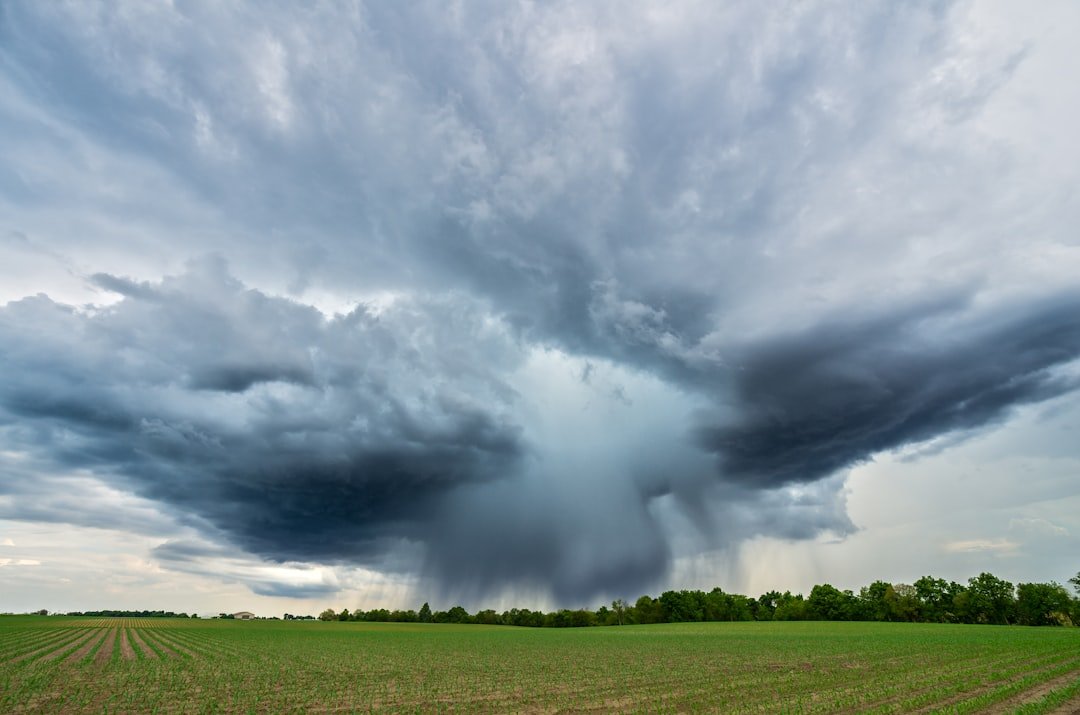
News reports are calling it a "microburst." It sounds like something out of a sci-fi movie, but it’s a real and incredibly powerful weather event.
Think of it like this: Imagine holding a giant water balloon and dropping it straight down onto the ground. When it hits, the water doesn't just pool; it explodes outward in all directions with incredible force. A microburst is basically that, but with air instead of water. A column of cold, dense air plummets from a thunderstorm and hits the ground, creating straight-line winds that can be as strong as a tornado.
This is why the damage can be so bizarrely specific. Your house might have a tree on it, while your next-door neighbor’s property is completely untouched. It’s not a wide, swirling storm; it’s a concentrated punch from the sky. And for insurers, this means we see very specific kinds of damage—roofs lifted, trees uprooted, and siding torn away.
Your Immediate Game Plan: The First 3 Steps
Okay, you’ve assessed the damage. Your heart is probably still pounding. Before you do anything else, take a deep breath and follow these steps. They are absolutely critical for a smooth insurance claim.
1. Safety First, Always.
I can't stress this enough. Don't be a hero. See a downed power line? Assume it's live and stay far, far away. Call your utility company immediately. If a massive tree is leaning precariously against your house, don't try to inspect the roof yourself. The structure could be unstable. Your safety is more important than any piece of property.
2. Become a Photographer.
Before you move a single branch or piece of debris, grab your phone. Your first instinct is to clean up the mess, but you need to resist that urge for a little while. Walk around your property and document everything.
- Take wide shots: Get pictures of the overall scene from the street and different angles of your yard.
- Get the details: Zoom in on the specific points of damage. The hole in the roof, the dented gutters, the broken windows, the siding that’s now in your neighbor’s yard.
- Shoot video: A slow walk-around video can be incredibly helpful. You can narrate what you’re seeing, which adds great context for the claims adjuster later.
You cannot take too many photos. This evidence is your best friend when you file your claim. It creates a clear "before and after" picture for the insurance company.
3. Stop the Bleeding (Prevent Further Damage).
Your insurance policy requires you to take reasonable steps to prevent the damage from getting worse. This doesn't mean you need to start a full-scale renovation project. It means making temporary, emergency repairs.
For example:
- If a tree branch smashed a window, board it up with plywood to keep the rain out.
- If your roof is leaking, throw a tarp over the damaged area.
- If your front door was damaged, do what you can to secure it.
Keep the receipts for any materials you buy for these temporary fixes (like tarps, plywood, or tape). These expenses are almost always reimbursable as part of your claim.
Making the Call: What to Expect When You File Your Claim
Once you’re safe and you’ve documented the damage, it's time to call your insurance agent or the company's 24/7 claims hotline.
Here's a little inside baseball: when a storm like this hits an entire area, the insurance companies get flooded with calls. Literally everyone is calling at once. So, be prepared for hold times. Have your policy number handy if you can find it, but don't worry if you can't—they can look you up by your name and address.
When you get through, calmly explain what happened. They'll assign you a claim number and an adjuster. The adjuster is the person who will assess the damage and work with you on the settlement. In a widespread disaster, it might take a day or two for them to get to you, so that documentation you did is your crucial first step.
The Big Question: What Does My Homeowners Insurance Actually Cover?
This is where the rubber meets the road. Every policy is a little different, but here’s a general breakdown of what’s typically covered after a storm like a microburst.
Wind and Falling Objects
Standard homeowners policies (often called an HO-3) almost always cover damage from wind. This is the main event with a microburst. So, if the wind ripped shingles off your roof or tore down your fence, you’re likely covered.
The same goes for falling objects, like trees. Here's a common point of confusion I see all the time:
- If a tree falls on your house (or your garage, or your shed), your policy should cover the cost of removing the tree from the structure and repairing the damage it caused. This is true whether it was your tree or your neighbor's tree.
- If your tree falls in your yard and doesn't hit a covered structure, removing it may not be covered, or coverage might be limited to a few hundred dollars. It's frustrating, I know, but that's a common policy limitation.
Water Damage vs. Flooding
This is one of the most important distinctions in insurance.
- Water damage that is a direct result of the storm is usually covered. For example, if the wind creates a hole in your roof and rain pours in, damaging your ceiling and floors, that's typically covered.
- Flooding, on the other hand, is defined as water rising from the ground up. This is things like overflowing rivers, storm surge, or heavy rain that saturates the ground and seeps into your basement. This is NOT covered by a standard homeowners policy. You need a separate flood insurance policy for that.
Power Outages and Spoiled Food
Many policies include a small amount of coverage (usually around $500) for food spoilage if your power is out for an extended period. It’s not a huge amount, but it’s worth asking about!
Dealing with storm damage is stressful, plain and simple. It’s a violation of your safe space. But remember, this is exactly why you pay for insurance. The process might feel slow and overwhelming at times, but by taking these first few steps, you're putting yourself in the best possible position for a successful claim.
Just focus on one thing at a time: safety, photos, temporary repairs, and then the phone call. You’ll get through this, and your home will get put back together.