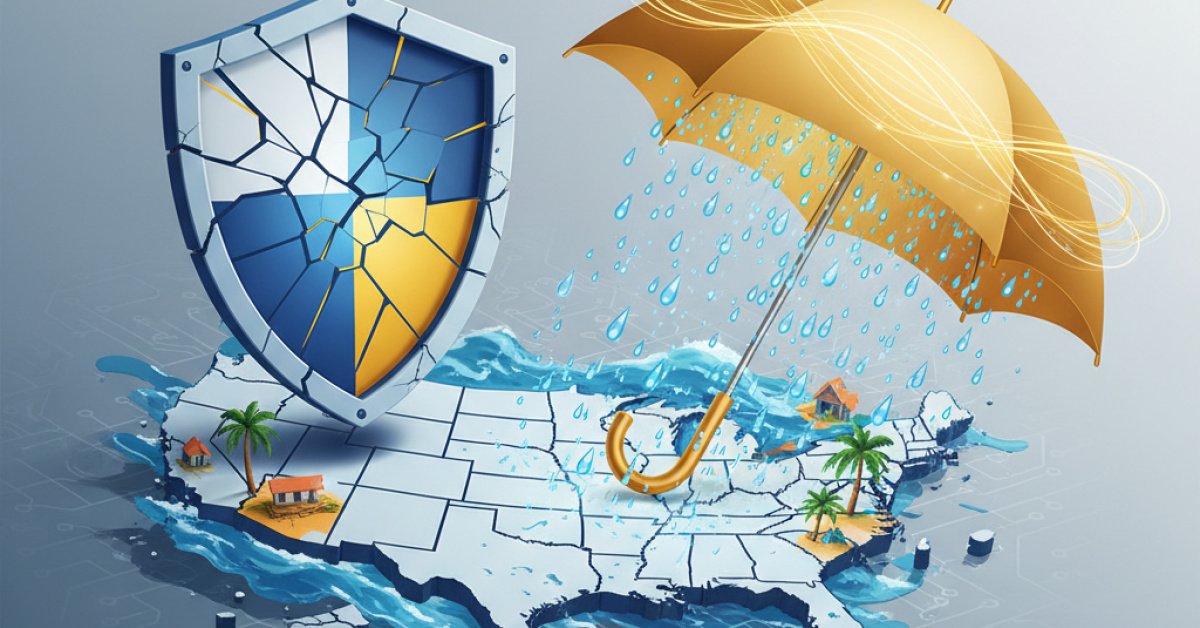
If you live anywhere near the coast in New York, you’ve probably felt that little knot of anxiety in your stomach when you open your homeowners insurance renewal. The numbers just keep climbing, and finding good, affordable coverage feels harder every year.
It’s not just you. The entire insurance market is feeling the pressure from more intense and frequent storms. Insurers are getting nervous, and when they get nervous, they either raise rates through the roof or stop offering coverage altogether in certain areas. It’s a tough spot for everyone.
But it looks like some folks in Albany are trying to come up with a solution. A new bill has been proposed that could create something called a “state catastrophe fund.” It sounds complicated, but the idea behind it is actually pretty straightforward. Let’s break down what’s going on and what it could mean for you.
So, What Exactly is a "Catastrophe Fund"?
Okay, let's get right to it. A catastrophe fund isn't insurance for you directly. Instead, think of it as insurance for your insurance company.
Imagine your insurance company is like a local bank. They have enough money on hand to handle everyday claims—a kitchen fire here, a burst pipe there. But what happens when a massive hurricane, like a Superstorm Sandy, barrels through and damages tens of thousands of homes all at once? Suddenly, everyone is filing a claim at the same time. That could wipe out the bank.
This is where a catastrophe fund steps in. It’s a giant, state-backed pool of money designed to help insurance companies pay for massive losses after a widespread disaster. The state fund essentially sells its own insurance (called reinsurance) to the private companies that operate in New York.
By doing this, it takes some of the massive, terrifying risk off the insurance companies' plates. The hope is that if they feel more financially secure, they’ll be more willing to offer policies at more reasonable prices to homeowners like you and me.
Why is New York Even Talking About This Now?
This isn't just a random idea. There’s a real problem brewing in the New York insurance market, and it’s a problem we’re seeing in other coastal states like Florida and California, too.
Here’s the simple version of what’s happening:
- More Intense Storms: Climate change is leading to more powerful and destructive storms. These "once-in-a-century" events seem to be happening a lot more often.
- Rising Reinsurance Costs: Because of this increased risk, the global companies that insure the insurers (the reinsurers) are dramatically hiking their own prices.
- The Squeeze on Insurers: Your local insurance company has to buy this expensive reinsurance to protect itself. They pass that cost directly on to you in the form of higher premiums.
- Insurers Pulling Back: For some companies, even with higher premiums, the risk is just too great. They’ve started to reduce the number of policies they’ll write in high-risk areas, like Long Island or New York City, leaving homeowners with fewer and fewer options.
Lawmakers are looking at this situation and realizing that if they don’t do something, we could be heading for a full-blown insurance crisis where coverage becomes either unavailable or completely unaffordable for huge parts of the state. The proposed catastrophe fund is their attempt to step in and stabilize the market before it gets to that point.
How Would This Fund Actually Work?
The bill being discussed would get the ball rolling by putting an initial $10 million into this new fund. Now, I know what you’re thinking—$10 million sounds like a drop in the bucket when a major hurricane can cause billions in damage. And you’re right.
That initial amount is really just seed money. It’s the startup capital to get the fund legally established, hire staff, and build the framework. The fund would ultimately be designed to grow over time, likely funded by small fees or assessments on insurance policies sold in the state.
Here’s the basic flow:
- The state creates the New York Catastrophe Fund.
- Insurance companies operating in New York can then buy reinsurance from this state fund.
- This reinsurance is typically cheaper than what they could get on the private global market.
- In exchange for this cheaper backup coverage, the insurance companies would hopefully pass those savings along to you, or at the very least, stop raising rates so aggressively.
When a major, declared catastrophe hits, the fund would kick in and help pay claims once they exceed a certain, very high threshold. This protects the insurance companies from going bankrupt and ensures they can keep paying out claims to their customers who need it most.
What's the Big Question Mark Here?
Honestly, this is a big, ambitious idea, and it’s not without its challenges. While it has worked in other states (Florida has had a similar, though much larger, fund for decades), it’s a complex undertaking.
The biggest question is financial solvency. Can a state-run fund collect enough money during quiet years to be ready for a monster storm? What happens if a massive hurricane hits in the first few years before the fund has had a chance to build up significant reserves?
These are the tricky details that lawmakers will need to iron out. If the fund runs short, the money has to come from somewhere—either through special assessments on all policyholders in the state (meaning a surprise fee on your bill) or, in a worst-case scenario, from taxpayers.
Getting the financial modeling right is absolutely critical. But the fact that this conversation is even happening shows how seriously officials are taking the growing threat to our coastal communities. They’re looking for a uniquely New York solution to a problem that isn’t going away anytime soon. It’s a proactive step, and in the world of insurance, being proactive is always better than being reactive. It’s something we’ll all want to keep a close eye on as it moves through the legislative process.