I read something the other day that genuinely made me stop what I was doing and read it again. As someone who’s been in the insurance world for years, I see a lot of data and reports. Most of it is pretty predictable. But this was different.
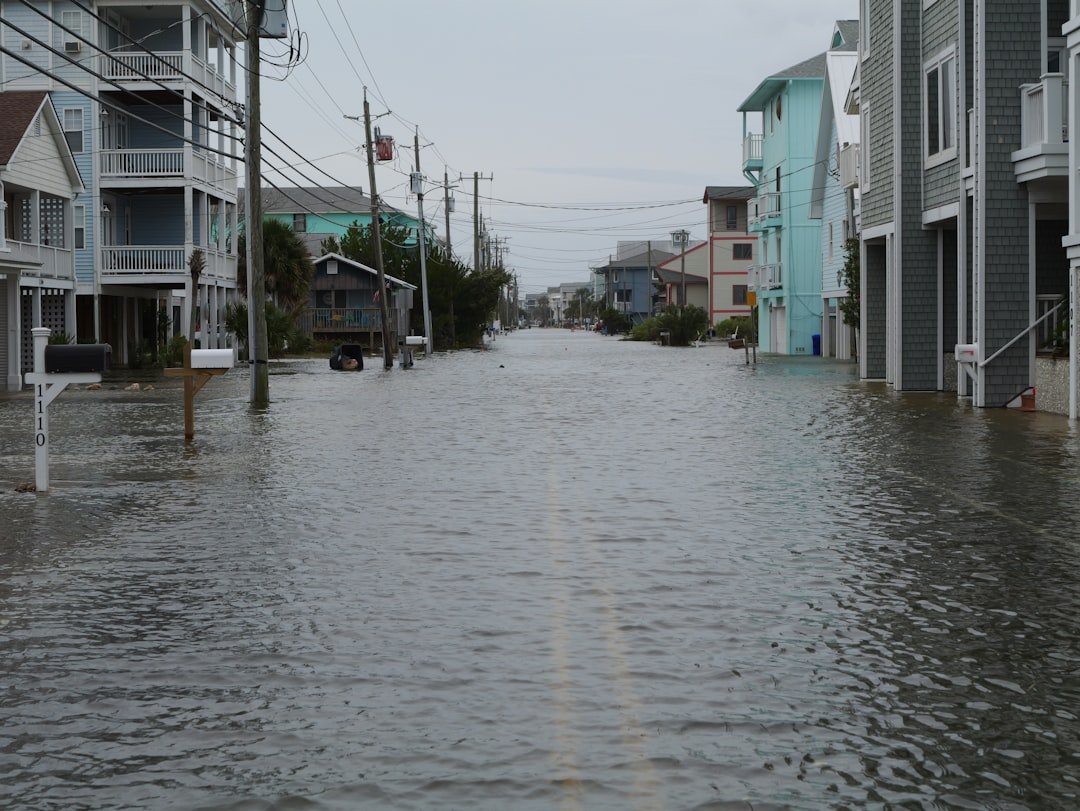
A new, incredibly detailed study just dropped, and the headline number is a real wake-up call. It found that more than 17 million people living along the U.S. Atlantic and Gulf coasts are in the absolute highest-risk category for flooding.
Let’s be clear. That’s not just a statistic. That’s the entire population of some states. It’s millions of homes, families, and businesses. And the most worrying part? Many of these people might have no idea they’re in so much danger.
So, What Did This Study Actually Find?
Alright, let's get into the details, because this is where it gets interesting. When we talk about flood risk, it's usually broken down into categories—low, moderate, high. Think of it like a doctor giving you a health report.
This study essentially found that 17 million Americans aren't just in the "high risk" category; they're in the "code red" zone. These are the areas where the potential for significant, life-altering flooding is no longer a distant "what if," but a very real probability.
The researchers looked at the entire Atlantic and Gulf coastlines, from Texas all the way up to Maine. They crunched the numbers in one of the most comprehensive ways ever done, and the picture it paints is, frankly, pretty alarming. We're talking about a massive number of people whose homes and livelihoods are sitting directly in harm's way.
Which Areas Are We Talking About? The Hotspots
Now, you might be thinking, "Okay, but that's a huge stretch of coastline. Where is the risk the greatest?"
The study pointed to a few specific standouts, and they’re big ones: New York and New Orleans.
It’s probably no surprise to hear New Orleans is on the list. Given its geography—much of it below sea level—and its painful history with Hurricane Katrina, flood risk is just a part of life there.
But New York might catch you off guard. We think of it as a concrete jungle, but it’s also a massive collection of islands and low-lying coastal areas. With immense population density and trillions of dollars in property, a major flood event there would be catastrophic. The study highlights that the risk in a place like New York is immense, affecting millions of people packed into a relatively small area.
But here’s the critical part: it’s not just about those two cities. The risk is spread all along those two coastlines. From the quiet beach towns in the Carolinas to the bustling cities of Florida and the industrial ports along the Gulf in Texas, this risk touches nearly every community with a view of the Atlantic or the Gulf of Mexico.
Why This Study Is a Game-Changer
You might be wondering what makes this study so special. We’ve had flood maps for decades, right?
Here’s the thing. Traditional flood maps, like the official ones from FEMA that your mortgage lender uses, can sometimes be slow to update. They're an essential tool, but they can lag behind the latest climate science and topographical data.
Think of it like this: using an old flood map is like navigating a road trip with a paper map from 10 years ago. It’ll show you the major highways, but it won’t tell you about the new bypass that was just built, the road that’s closed for construction, or the traffic jam up ahead.
This new study is like upgrading to a real-time GPS with satellite imagery and traffic alerts. It uses more advanced modeling and data to give us a much sharper, more accurate picture of the actual risk on the ground, right now. And that picture is showing us that the danger zone is bigger and affects more people than we previously realized.
What This Means for Your Home and Your Insurance
Okay, let's bring this home. What does a study about 17 million people mean for you? If you live anywhere near the Atlantic or Gulf coast, it means a lot.
This is the part where I need you to lean in, because it’s the most important takeaway.
Your Official Flood Zone Might Be Misleading
Just because your mortgage company didn't force you to buy flood insurance doesn't mean you're safe. Lenders only require it if you're in a FEMA-designated high-risk zone. This study suggests that the real-world risk extends far beyond those official lines on a map. You could be in a "safe" zone on paper but still be highly vulnerable.
Your Homeowners Policy Does NOT Cover Flooding
I’m going to say that again because it’s the single most common—and most devastating—misunderstanding in insurance. Standard homeowners insurance does not cover damage from flooding. Not from storm surge, not from overflowing rivers, not from heavy rain that pools and seeps into your home. You need a separate flood insurance policy for that. Period.
The Cost of Being Unprepared is Staggering
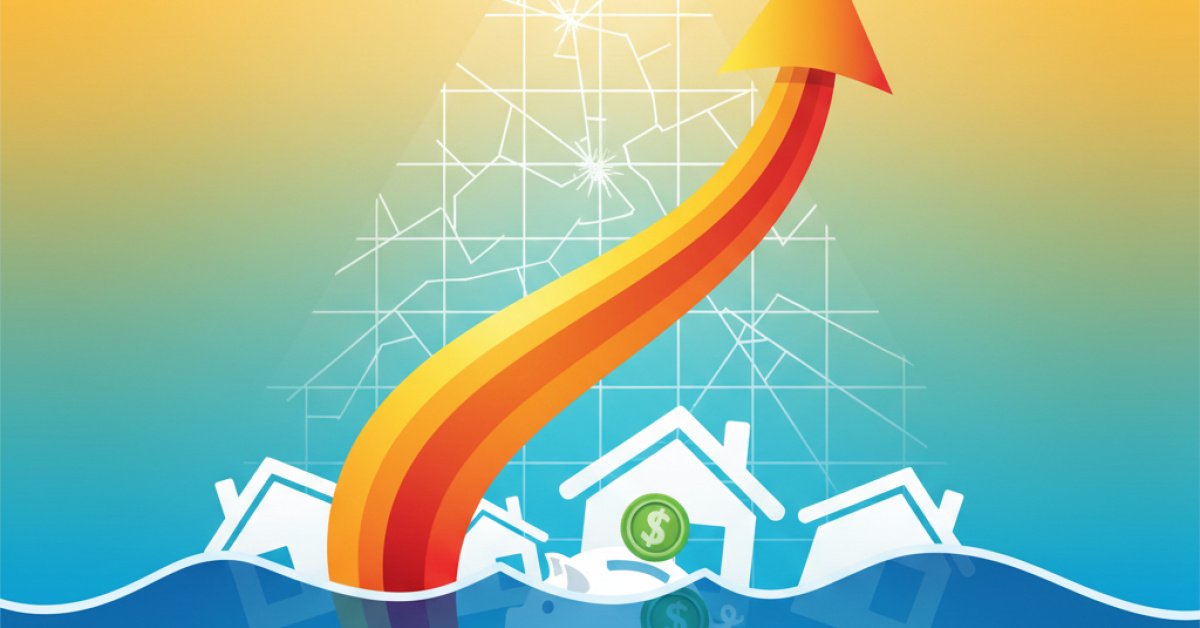
Imagine losing everything on your first floor. Your furniture, your appliances, your flooring, your drywall. Now imagine having to pay for all of that out of pocket. For most families, it’s financially impossible. An uninsured flood is one of the quickest ways to financial ruin.
Okay, So What Should You Do Now?
Look, I know this all sounds pretty heavy. But this information isn't meant to scare you—it's meant to prepare you. Knowledge is power, and knowing your true risk is the first step toward making sure your family and your biggest investment are protected.
Here are a few simple, concrete things you can do right now:
- Get a Reality Check on Your Risk: Don't just rely on the official maps. There are great online tools that use this kind of next-generation data to give you a property-specific flood score. A quick search for "check my flood risk" will give you some non-governmental options.
- Read Your Insurance Policy: Pull out your homeowners insurance declaration page. Look for the exclusions section. I can almost guarantee you’ll see "flood" or "water damage from rising water" listed there. See it in black and white for yourself.
- Have a Conversation: Call your insurance agent. This isn't about a sales pitch; it's about getting educated. Ask them, "What would happen if my home flooded tomorrow? Am I covered?" Have them walk you through your options for a separate flood insurance policy, either from the National Flood Insurance Program (NFIP) or a private insurer.
The threat of flooding along our coasts isn’t going away. In fact, most scientists agree it’s getting worse. You can’t stop the water from rising, but you can put a financial shield in place to protect your family. Don't wait for the storm clouds to gather to figure out if you're covered.