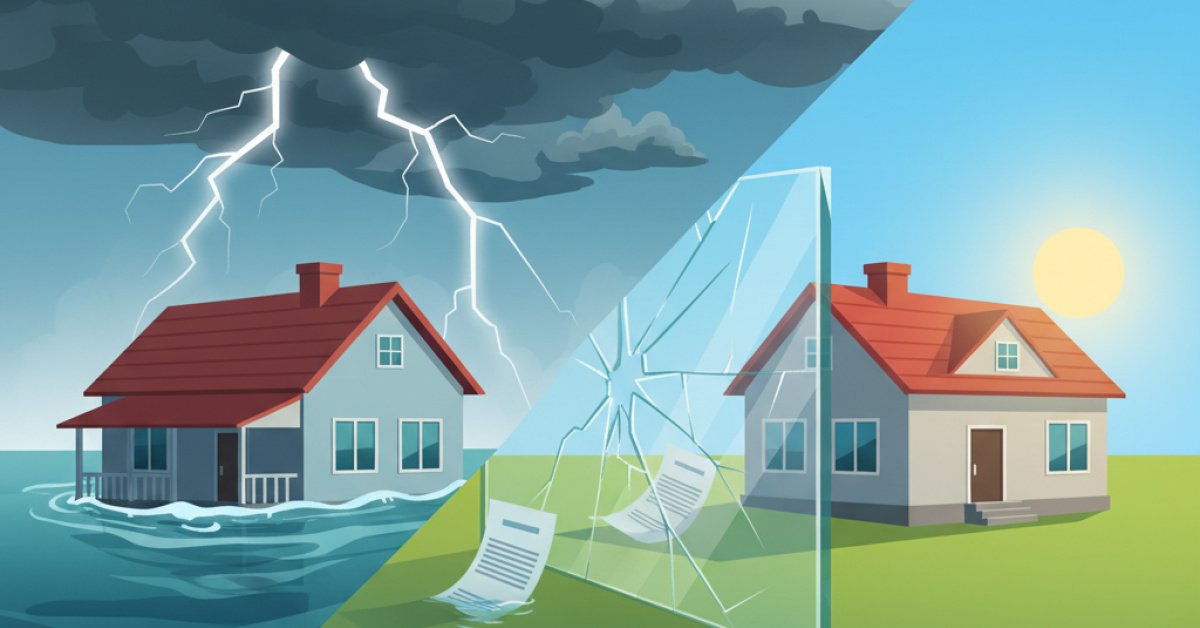
Let’s talk about something that should keep every single one of us in the insurance business up at night. It’s not a new cyber threat or a complex liability case. It’s water. Simple, ordinary water. And the massive E&O (Errors & Omissions) bomb that’s ticking for agents who aren’t handling the flood insurance conversation correctly.
I was reading a warning from the CEO of Neptune Flood recently, and it really hit home. He was basically sounding the alarm, telling agents that if we’re not proactively offering flood coverage to every single client, we’re setting ourselves up for a world of hurt. And you know what? He’s absolutely right.
We’re in a tough spot. Our clients trust us to protect their biggest asset—their home. But when the water rises and they discover their standard homeowners policy won’t cover a dime of the damage, who do you think they’re going to blame? It won’t be the storm. It’ll be us.
The Giant, Gaping Hole in Homeowners Insurance
Here’s the thing we know, but our clients often don’t: a standard homeowners policy is fantastic for a lot of things, but it specifically, and very clearly, excludes damage from flooding.
Think about it from your client’s perspective. A pipe bursts and floods their kitchen—that’s a water damage claim, and it’s usually covered. So, when a nearby creek overflows and does the exact same thing to their entire first floor, they naturally assume they’re covered too. It’s all just… water, right?
We know the difference between a sudden and accidental internal leak and an external flood is a canyon-sized gap in coverage. But your client doesn't. And that misunderstanding is the fertile ground where E&O lawsuits are born. The expectation gap is real, and it’s dangerous for our agencies.
"But My Client Isn't in a Flood Zone!"
I hear this all the time. Agents say, "Oh, I only offer it to people in the high-risk zones, the ones where the lender makes them buy it."
If that’s your approach, I’m telling you right now, it’s a massive gamble.
The reality of flooding has changed. We're seeing devastating floods in places that have never seen them before. According to FEMA, more than 20% of all National Flood Insurance Program (NFIP) claims happen in areas considered to have low-to-moderate flood risk. Let that sink in. One in five claims are from the "safe" zones.
Low risk does not mean no risk. It just means the odds are lower, but the consequences are just as catastrophic. When that "100-year storm" hits a supposedly low-risk neighborhood, the financial devastation for uninsured homeowners is absolute. And their first call after the denial letter will be to an attorney.
The Anatomy of an E&O Lawsuit
So what does this actually look like when it goes wrong? It’s painfully simple.
- The Flood: A storm, a dam release, or a sudden snowmelt causes a flood.
- The Claim: Your client calls you, devastated but confident they’re covered.
- The Denial: The claim is denied based on the flood exclusion in their HO-3 policy.
- The Lawsuit: The client, facing financial ruin, sues you and your agency for negligence, claiming you never properly advised them of the risk or offered them a flood policy.
And here’s the scary part: in court, it often becomes a "he said, she said" situation. Your client will swear you never mentioned flood insurance. You’ll swear you did. But unless you have proof, a jury might just side with the sympathetic, bankrupted homeowner.
The low take-up rate for flood insurance across the country just makes this problem worse. It means millions of homeowners are unprotected, and every single one of them is a potential lawsuit waiting to happen for the agent who handled their policy.
Your Best Defense is a Good Offense
So, what can we do? We can’t control the weather, but we can absolutely control our process and protect our businesses. It’s not complicated, but it requires discipline.
Offer It. Every Single Time.
This is non-negotiable. You should offer flood insurance to every single homeowner, renter, and condo owner you work with. Period. It doesn't matter if they live on a hill in the desert. Make it a standard, automatic part of your quoting and renewal process.
Think of it like offering uninsured motorist coverage on an auto policy. It's a fundamental part of a complete protection package. You wouldn't dream of not offering it, right? Flood insurance needs to be treated with the same seriousness.
Document the Rejection.
This is the most critical step. If a client says "no," you need to get that rejection in writing. This is your E&O shield.
Create a simple, clear form—a Flood Insurance Rejection Form. Have them sign it. It should state that you explained the risks, offered them a quote, and they have chosen to decline the coverage. Scan it and attach it to their file in your management system.
Is it an extra step? Yes. Is it a little awkward sometimes? Maybe. But I promise you, it is infinitely less awkward than sitting across from a plaintiff’s attorney in a deposition. That signed form can be the single piece of paper that saves your agency from a six-figure lawsuit.
This isn’t about fear-mongering; it's about being a true professional. It’s about covering all the bases for your client and, in doing so, protecting the business you’ve worked so hard to build. The next storm is always on the horizon. Let's make sure we're ready for it.