Have you ever daydreamed about a house on the coast? Or maybe a cozy spot right on a river? For decades, that’s been a big part of the American dream. We’ve flocked to waterfronts, drawn by the views and the lifestyle. But it seems like the tide might finally be turning.
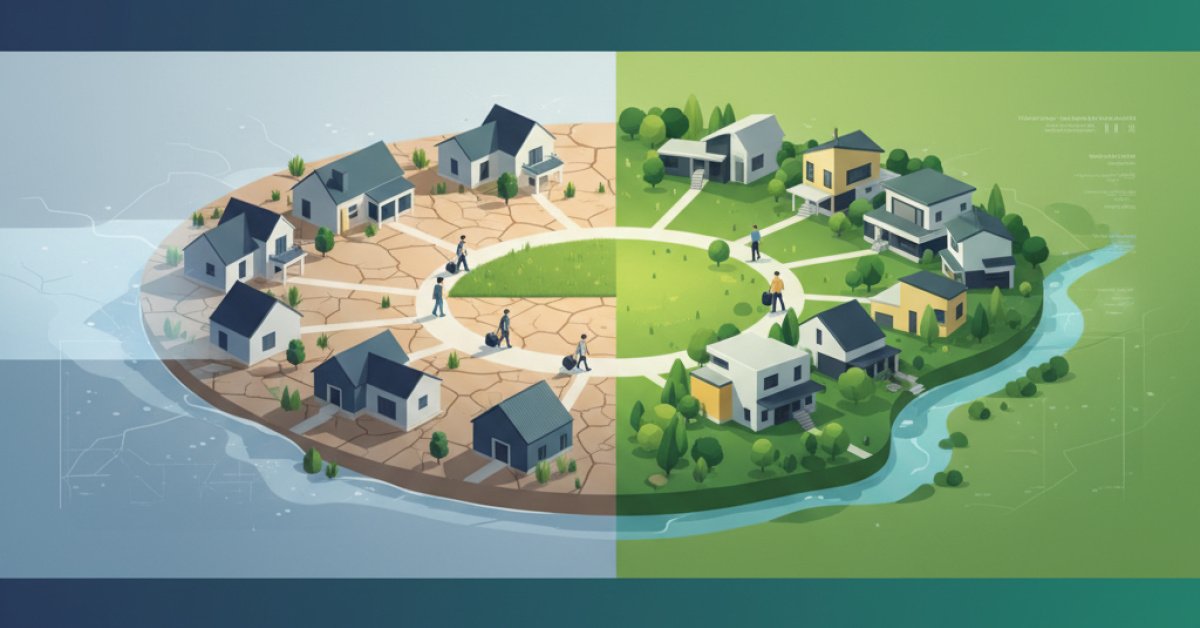
For the first time in years, we're seeing a really interesting shift. The very neighborhoods with the highest risk of flooding are starting to see more people pack up and leave than move in. It’s not a massive exodus just yet, but it’s a clear signal that something has changed.
So what's really going on here? Is it just a blip, or are we witnessing the beginning of a major rethink about where—and how—we choose to live? As someone who’s been in the insurance world for a long time, I can tell you this is a trend we’ve been watching closely. Let’s break it down.
The Numbers Are In, and They're Telling a Story
For a while, it felt like nothing could stop the growth in these beautiful, but risky, areas. Even after major storms, people would rebuild and new folks would move in. But the latest data shows a real reversal.
For the first time since 2019, counties with the highest flood risk saw a net loss of residents. We’re talking about 30,000 more people moving out to other parts of the country than moving in.
Now, 30,000 people might not sound like a city-emptying stampede, but in the world of population trends, it’s a big deal. It shows a conscious decision-making process. People are looking at the risks, looking at the costs, and saying, "You know what? Maybe not here."
The Sticker Shock Is Real: Let's Talk Insurance
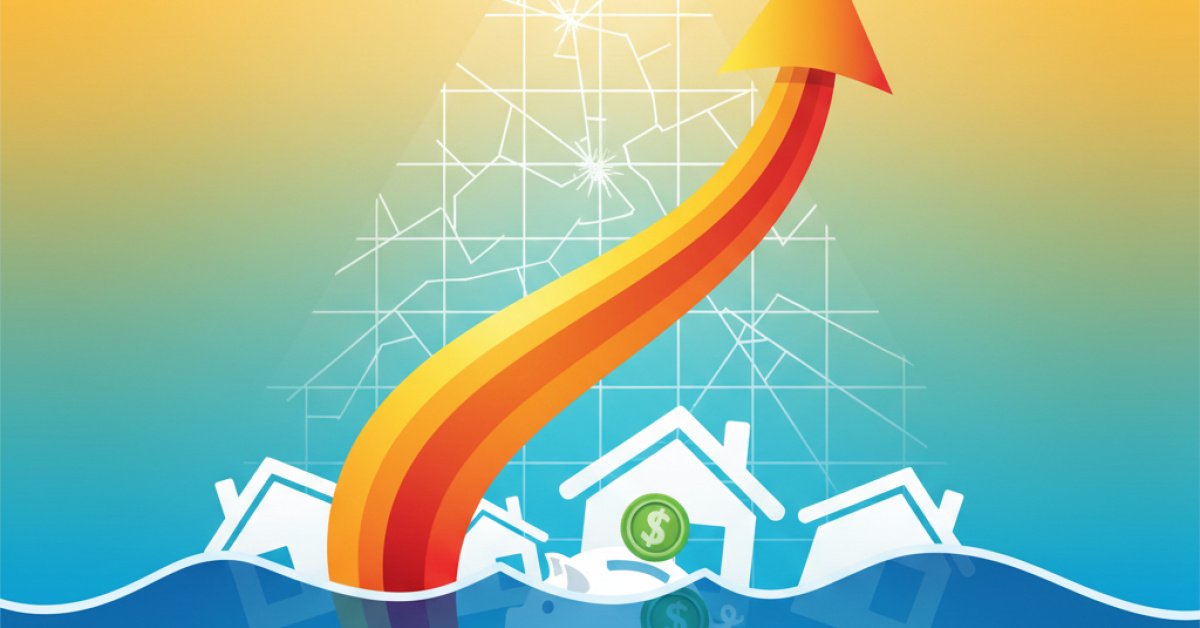
If you ask me, one of the biggest drivers behind this shift is the one that hits you right in the wallet: the soaring cost of insurance.
For years, you could argue that the true cost of living in a flood-prone area was kind of subsidized. Insurance rates didn't always reflect the actual risk. Well, that's changing, and it's changing fast.
Think of it like this: the "hidden fee" for that gorgeous water view is suddenly not so hidden anymore. Insurance companies and federal programs are using much more sophisticated data to figure out the real probability of flooding. And guess what? The premiums are starting to reflect that reality.
Why Is It Getting So Expensive?
It’s not just one thing, but a perfect storm of factors:
- Smarter Risk Modeling: Insurers now have incredibly detailed maps and climate projections. They can pinpoint risk almost down to the individual property line, and they’re adjusting their prices accordingly.
- FEMA's Risk Rating 2.0: The National Flood Insurance Program (NFIP) completely overhauled its pricing system. The new system, called Risk Rating 2.0, aims to make rates more equitable by basing them on a property's unique flood risk, not just its elevation zone. For many in high-risk areas, this has meant significant price hikes.
- Private Insurers Are Getting Skittish: Many private home insurance companies are reducing their exposure in high-risk coastal states like Florida and Louisiana. When there's less competition, prices naturally go up for the coverage that's left.
Imagine getting your home insurance renewal and seeing the price has doubled. Or tripled. That’s not a hypothetical; it’s the reality for thousands of homeowners. At a certain point, the cost becomes unsustainable, and moving starts to look like the only sensible financial option.
It's More Than Just Money—It's "Flood Fatigue"
While the financial pressure is huge, there’s a powerful emotional side to this, too. I call it "flood fatigue."
Living with the constant threat of water is exhausting. It's the stress of watching the weather forecast every time a storm brews in the Atlantic. It's the hassle of putting up storm shutters and moving valuables to the second floor. It's the heartbreak of cleaning up muddy, water-logged memories after a flood.
People are just getting tired.
They’re tired of rebuilding. They're tired of the uncertainty. They’re realizing that their home, which should be a place of safety and comfort, has become a source of constant anxiety. For many, the decision to move is as much about buying peace of mind as it is about saving money.
So, What Does This Mean for the Rest of Us?
Okay, so you might be thinking, "This is interesting, but I don't live on the coast. How does this affect me?" It’s a fair question, and the answer is that these trends have ripple effects that can touch the entire housing and insurance market.
First, this migration puts pressure on the places people are moving to. Formerly quiet, low-risk inland towns might see property values and demand for services rise.
Second, it raises tough questions for the communities being left behind. What happens to the tax base when residents leave? Who pays for the upkeep of infrastructure like roads and seawalls if the community is shrinking?
And from an insurance perspective, if a large number of high-risk properties become uninsurable or are abandoned, it can create instability. It could put more pressure on state-run "insurers of last resort," which are often funded by fees tacked onto every policyholder's bill in the state—yes, even yours.
This isn't about fear-mongering. It's about seeing the whole picture. We’re seeing a real-time response to risk, and it’s a sign that we’re entering a new era. The conversation around buying a home is changing. It's no longer just about location, location, location. It’s about risk, resilience, and the long-term cost of your investment. And honestly, that’s a conversation we all need to start having.