If you’ve been in the insurance world for more than a few years, you’ve probably got a feeling of déjà vu right now. It’s that time again. Congress, in a last-minute scramble, has once again passed a short-term extension for the National Flood Insurance Program (NFIP).
On one hand, we can all breathe a small sigh of relief. A lapse in the program would have been a disaster, throwing real estate closings into chaos in thousands of communities. But let’s be honest with each other—this isn’t a victory. It’s more like hitting the snooze button on an alarm that’s been blaring for years.
The can has been kicked down the road. Again. And while it buys us a little more time, it does absolutely nothing to fix the fundamental, deep-seated problems with the country’s primary source of flood insurance.
So, What Exactly Happened?
In simple terms, lawmakers voted to keep the NFIP running for a little while longer. This is something that has happened dozens of times over the last decade. It’s become a predictable, and frankly, frustrating cycle.
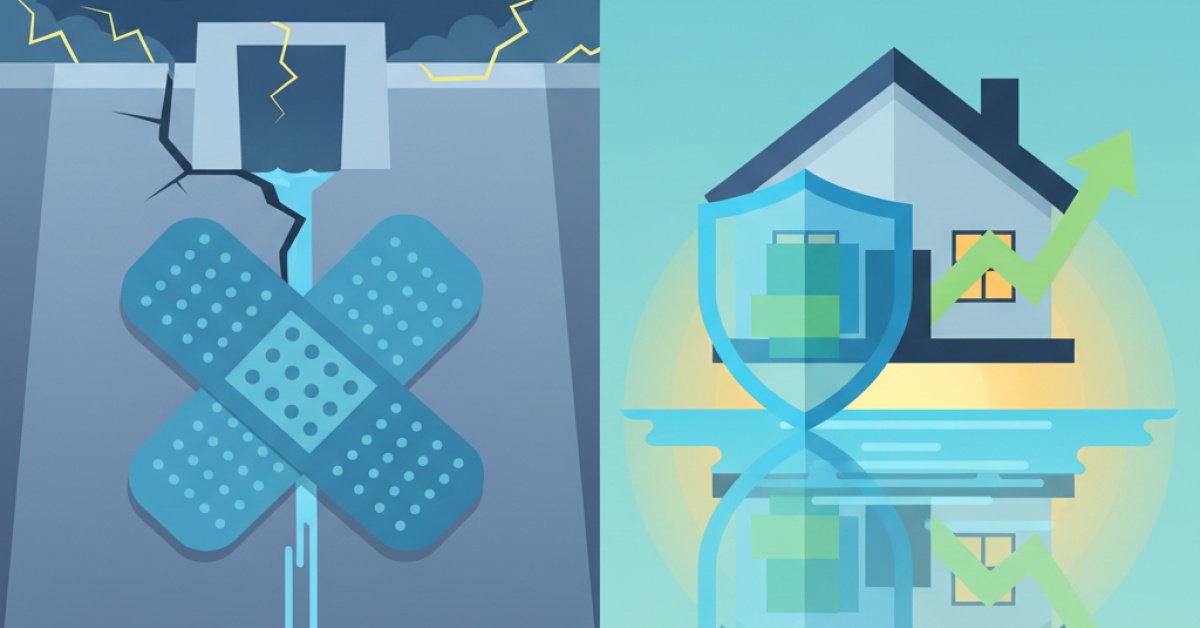
Think of it like this: Imagine the roof of your house has a serious leak. Every time a storm is forecast, instead of calling a roofer to fix the problem for good, you just run up to the attic and put a new bucket under the drip. The bucket keeps your living room dry for now, but the hole in the roof is still there. It’s probably even getting bigger.
That’s what’s happening with the NFIP. These short-term extensions are the buckets. They prevent an immediate mess, but they completely ignore the structural damage that’s getting worse over time.
Why the Insurance Industry is Sounding the Alarm
You might think the industry would be happy, but the reaction has been lukewarm at best. Yes, groups across the insurance sector are glad we avoided a shutdown. But the overwhelming sentiment is one of deep frustration.
They’re warning that this "temporary relief" is just that—temporary. It creates a constant state of uncertainty for homeowners, lenders, real estate agents, and insurers alike. How can anyone make long-term plans when the foundation of the flood insurance market could crumble in just a few months?
Here’s what the constant cycle of short-term extensions really does:
- It Stifles Innovation: It’s tough for the private flood insurance market to grow and offer new solutions when it’s constantly competing with a government program that could change its rules (or disappear) on a dime.
- It Delays Critical Updates: The NFIP is operating with outdated flood maps and risk models. Real reform would mean investing in modern technology to accurately price risk, but that kind of long-term investment is impossible without long-term certainty.
- It Erodes Confidence: For millions of Americans, the NFIP is their only option. When the program is lurching from one deadline to the next, it undermines public trust and makes it harder for people to feel secure in their homes.
The message from the experts is clear: We can’t keep patching a system that is fundamentally broken. We need to roll up our sleeves and do the hard work of building a modern, stable, and financially sound flood insurance system for the 21st century.
What’s Actually Wrong with the NFIP?
So, why are so many people calling for a complete overhaul? It’s not just one thing; it’s a whole collection of issues that have been piling up for decades.
The program was created back in 1968, and honestly, it hasn’t changed much since. But the world has. Climate change is leading to more frequent and severe flooding in places that never used to worry about it. Coastal populations have boomed. And our understanding of risk is light-years ahead of what it was fifty years ago.
The NFIP is struggling to keep up. It’s billions of dollars in debt to the U.S. Treasury, largely because it was never designed to handle the mega-disasters like Katrina, Sandy, or Harvey. It often subsidizes properties that flood over and over again, sending a poor signal about the real risk of living in certain areas.
Real reform isn't about just tweaking the program. It’s about rethinking its entire purpose. It needs to move from being a reactive system that just pays claims after a disaster to a proactive one that helps communities become more resilient before the water starts to rise.
What Would Real, Meaningful Reform Look Like?
This is the million-dollar question, isn't it? The good news is, there are plenty of good ideas on the table. Industry groups, consumer advocates, and risk experts have been talking about this for years.
A true reform package would need to be a long-term reauthorization—we’re talking five years or more—that gives everyone the stability to plan. And it would likely include some key changes:
A Focus on the Future, Not the Past
This means investing heavily in new, high-tech flood mapping. We need to give people a clear, accurate picture of their true risk so they can make informed decisions about where to live and how to protect their property.
Promoting Mitigation and Resilience
Instead of just paying to rebuild the same house in the same vulnerable spot, a reformed NFIP should provide stronger incentives for homeowners to flood-proof their properties. Think grants for elevating homes or installing flood vents. It’s about breaking the cycle of loss.
Creating a Healthy Private Market
A modern system would make it easier for private insurance companies to offer flood coverage. More competition means more choices and, hopefully, better prices for consumers. The NFIP could then focus on its core mission: covering those who truly can’t find affordable coverage elsewhere and setting standards for the whole market.
Addressing Affordability Head-On
Let’s be real: as we price flood risk more accurately, some people’s premiums will go up. A responsible reform package has to include a transparent, means-tested affordability program to help those who genuinely can't afford the cost of coverage, without simply hiding the true risk from everyone.
This isn't just an insurance issue. It’s a housing issue, a community planning issue, and a national economic security issue. Kicking the can down the road isn’t just irresponsible; it’s putting millions of Americans at financial risk. We’ve had enough buckets. It’s time to finally fix the roof.