When you picture a manufacturing plant, what comes to mind? I bet it’s the smell of machine oil, the hum of the production line, the sight of physical products being made and shipped. It all feels very tangible, very real. You’re making stuff.
So when we talk about cyberattacks, it’s easy to think, "That's a problem for banks, tech companies, or hospitals." You know, businesses that live and breathe data. But here's a reality check that might surprise you. The biggest, most expensive digital threats are now aimed squarely at the world of physical production.
A recent deep dive into five years of insurance claims data by the folks at Resilience just put a spotlight on this, and honestly, the numbers are pretty jaw-dropping. It turns out that the manufacturing industry isn't just a target; it's one of the most profitable targets for cybercriminals.
Let's Talk Numbers: The Staggering Cost of a Cyber Breach
Okay, let's get right to the heart of it. The report found that for their manufacturing clients, a whopping 90% of all incurred losses came from cyber events.
Read that again. Ninety percent.
We're not just talking about the cost of a stolen laptop or a minor data leak. "Incurred losses" is the industry term for the total financial hit. Think of it like a massive iceberg. The ransom payment you hear about in the news? That’s just the tiny tip you see above the water.
The real damage, the massive part of the iceberg hidden below the surface, includes:
- Business Interruption: This is the big one. Every minute your production line is down, you're losing money. Serious money.
- Recovery Costs: Getting experts to come in, clean up the mess, and restore your systems is incredibly expensive.
- Reputational Damage: Telling your customers their orders are delayed because you were hacked is a conversation nobody wants to have.
- Legal and Regulatory Fines: Depending on the data involved, you could be facing some hefty penalties.
So, when we see a number like 90%, it tells a clear story: for a modern manufacturer, the risk of a cyberattack isn't just another line item on a risk assessment sheet. It’s a potential company-killer.
But Why Are Hackers Targeting Factories Instead of Banks?
This is the question I get asked all the time. It seems counterintuitive, right? The answer is surprisingly simple: leverage.
Cybercriminals are business people, in a twisted sort of way. They want the fastest, easiest, and most guaranteed payday. And they've figured out that manufacturers are the perfect customer.
The High Price of Downtime
Think about your operations. They are likely a finely tuned machine, running on just-in-time schedules where every second counts. If a bank’s website goes down for an hour, it’s a major inconvenience. If your factory floor goes down for an hour, it could mean thousands, or even hundreds of thousands, of dollars in lost production.
Hackers know this. They know that when they lock up your systems with ransomware, the clock starts ticking, and the pressure to pay becomes immense. You’re not just deciding whether to pay a ransom; you’re weighing that cost against the catastrophic losses of a multi-day shutdown. It’s a brutal calculation, and criminals exploit it perfectly.
The Weakest Link in a Connected World
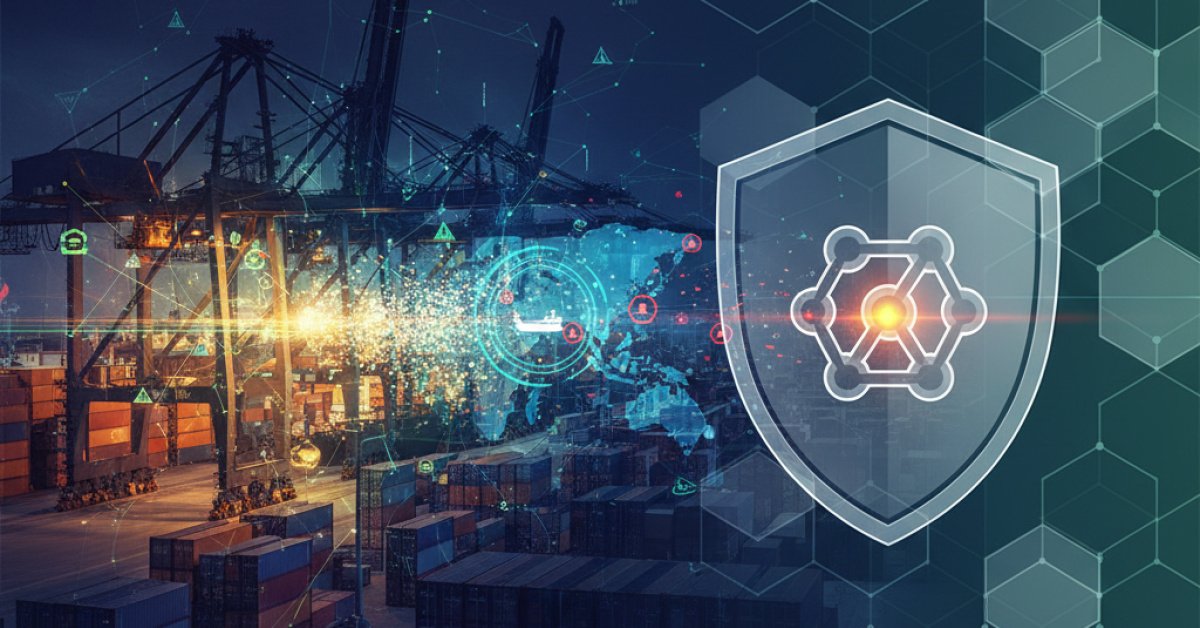
Modern manufacturing isn't siloed anymore. Your systems are connected to your suppliers, your distributors, and your customers. You’re using smart sensors (IoT devices) on your machinery and sophisticated software to manage the entire supply chain.
While this connectivity is great for efficiency, it also creates countless new doors for a hacker to try and open. A vulnerability in a third-party vendor’s software could become a backdoor right into your main network. The very thing that makes you efficient also makes you vulnerable.
Old Tech Meets New Threats
Let's be honest. Many plants are still running on operational technology (OT) that might be a decade old or more. This is the hardware and software that controls the actual machinery. It was built to last, but it wasn't built with modern cybersecurity in mind.
Updating or patching these systems can be a nightmare. You can’t just reboot a critical piece of machinery in the middle of a production run. Hackers love this. They seek out these older, unpatched systems as easy, unguarded entry points.
So, What Can We Do About It?
Reading all this can feel a bit overwhelming, I get it. It sounds like you’re a sitting duck. But you’re not. The first, and most important, step is simply shifting your mindset. The biggest threat to your business may no longer be a fire on the factory floor, but a phishing email opened in the front office.
Once you accept that, you can start taking practical steps. Of course, basic cyber hygiene is non-negotiable—things like multi-factor authentication, regular employee training, and patching your systems are the foundation of any good defense.
But the other crucial piece of the puzzle is having the right safety net. This is where cyber insurance becomes so much more than just a policy.
Think of a good cyber insurance partner not as someone who just sends you a check after a disaster, but as the fire department that shows up to put out the blaze. When an attack happens, you need immediate access to a team of experts:
- Incident Responders who can help you contain the breach and get back online.
- Legal Counsel to help you navigate the complex notification laws.
- Forensic Investigators to figure out how the attackers got in.
- PR Specialists to help you manage communication with your customers and protect your reputation.
A solid cyber policy gives you access to this "breach response team" on day one. They’ve seen this all before and know exactly what to do, which is invaluable when you're in the middle of a crisis.
The reality is, the world of manufacturing has fundamentally changed. Your most valuable assets are no longer just the machines bolted to the floor; they’re also the digital systems that run them. Protecting your business in the 21st century means protecting both. It's a new challenge, for sure, but it's one you can absolutely prepare for.